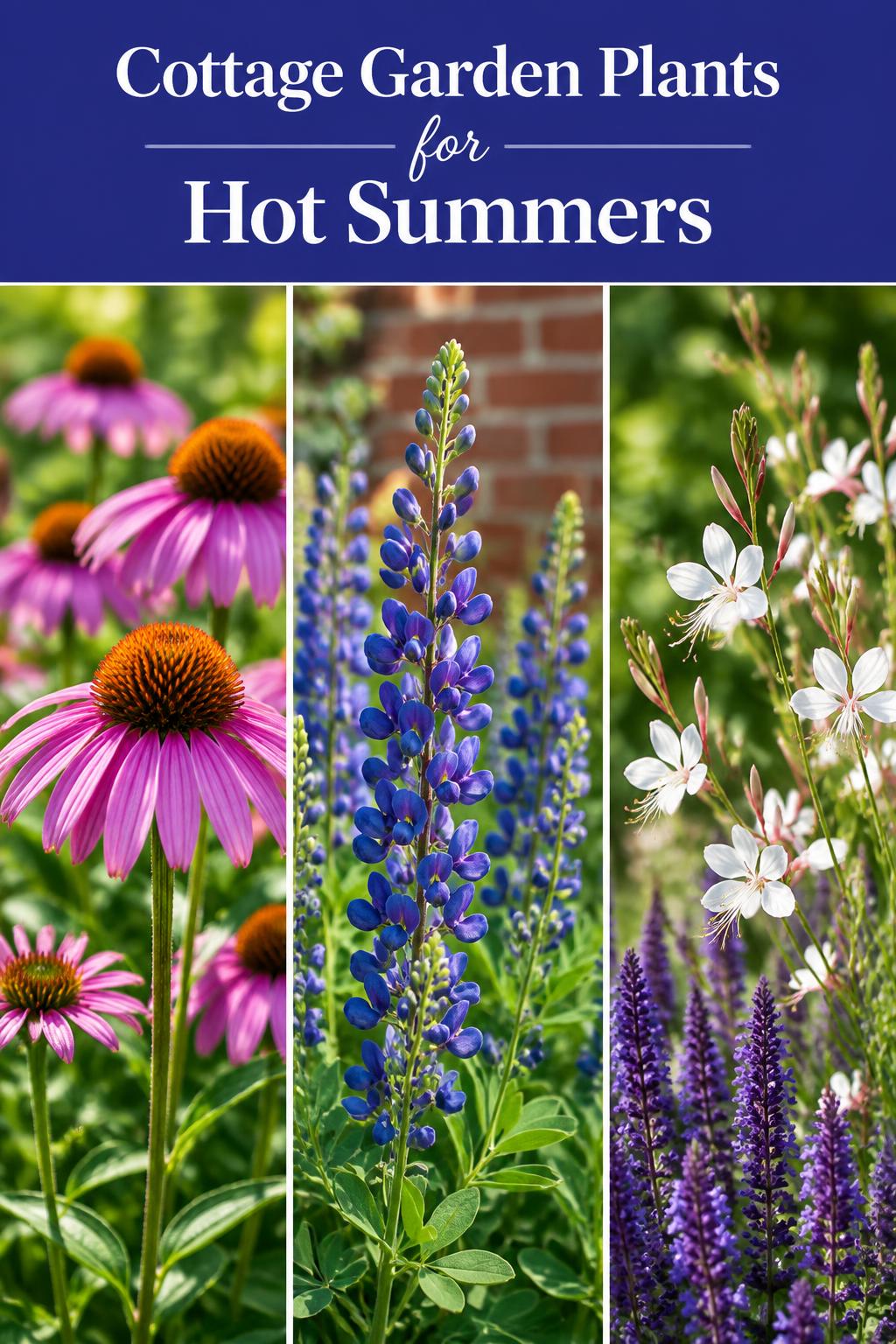
Every list of cottage garden plants opens with the same three: delphinium, lupine, foxglove. The extension pages for the same plants say otherwise. Delphinium is a challenge in humid summers south of USDA Zone 7. Lupines dislike the heat and humidity of the deep South so much that gardeners there grow them as annuals. Foxglove wants afternoon shade and soil that never dries out. The look was written in a mild English summer, and the lists copied the plants without the weather. If your July is hot, the classics are the wrong place to start, and the foxglove on that list is poisonous to the dog.
TL;DR
- Swap the classics for plants built for your summer: echinacea or gaura for delphinium in hot, humid places, baptisia for lupine, and foxglove beardtongue (Penstemon digitalis) for foxglove.
- Check two numbers on the label: the USDA hardiness zone for winter and the AHS heat zone, which counts the days a year above 86°F, for summer.
- No plant swap fixes a soggy winter; echinacea, salvia, agastache and delphinium are all prone to winter crown rot, so the fix is drainage.
Cottage Garden Plants Paired With Stand-Ins for Hot and Dry Summers
Each classic below sits next to the plant I’d put in its place and the summer that stand-in is built for. Zones are USDA ranges.
| English classic (zones) | What ends it in a hard summer | Stand-in (zones) | Summer it suits | Sun | Blooms |
|---|---|---|---|---|---|
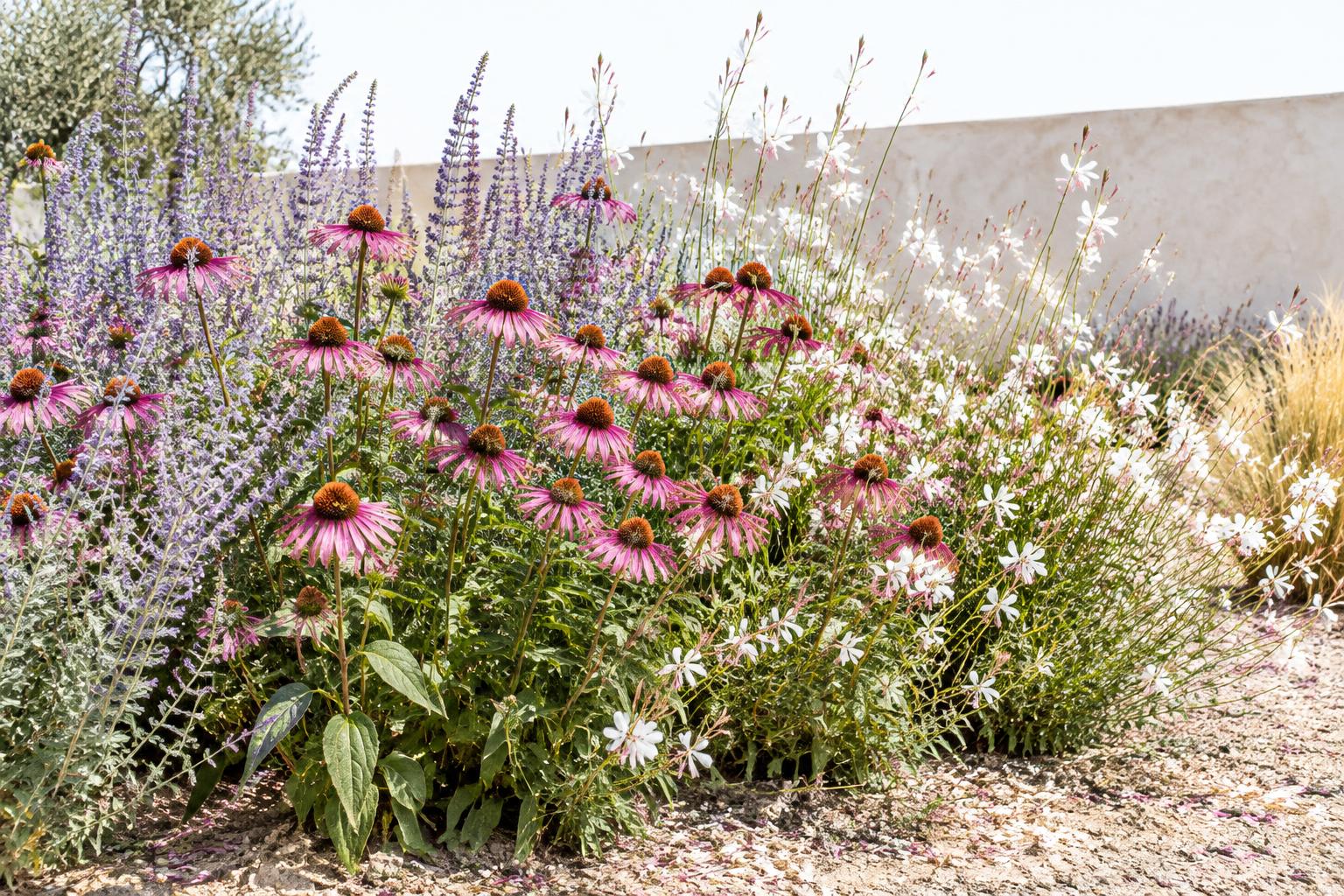
| Delphinium (3–8, best 3–6) | Humid heat south of Zone 7; crown rot in poorly drained soil | Echinacea purpurea (3a–8b) | Hot and humid; heat, humidity and drought tolerant once established | Full sun to part shade | June–August, into mid-fall |
| Delphinium | Same | Gaura, Oenothera lindheimeri (5a–9b) | Hot and humid; heat and drought tolerant | Full sun | Summer to first frost |
| Delphinium | Same | Salvia nemorosa (4a–8b) | Hot and dry; drought tolerant, needs well-drained soil | Full sun to part shade | June–September |
| Delphinium | Same | Agastache rupestris (5a–8b) | Dry climates only; may struggle in high humidity | Full sun to part shade | Summer into fall |
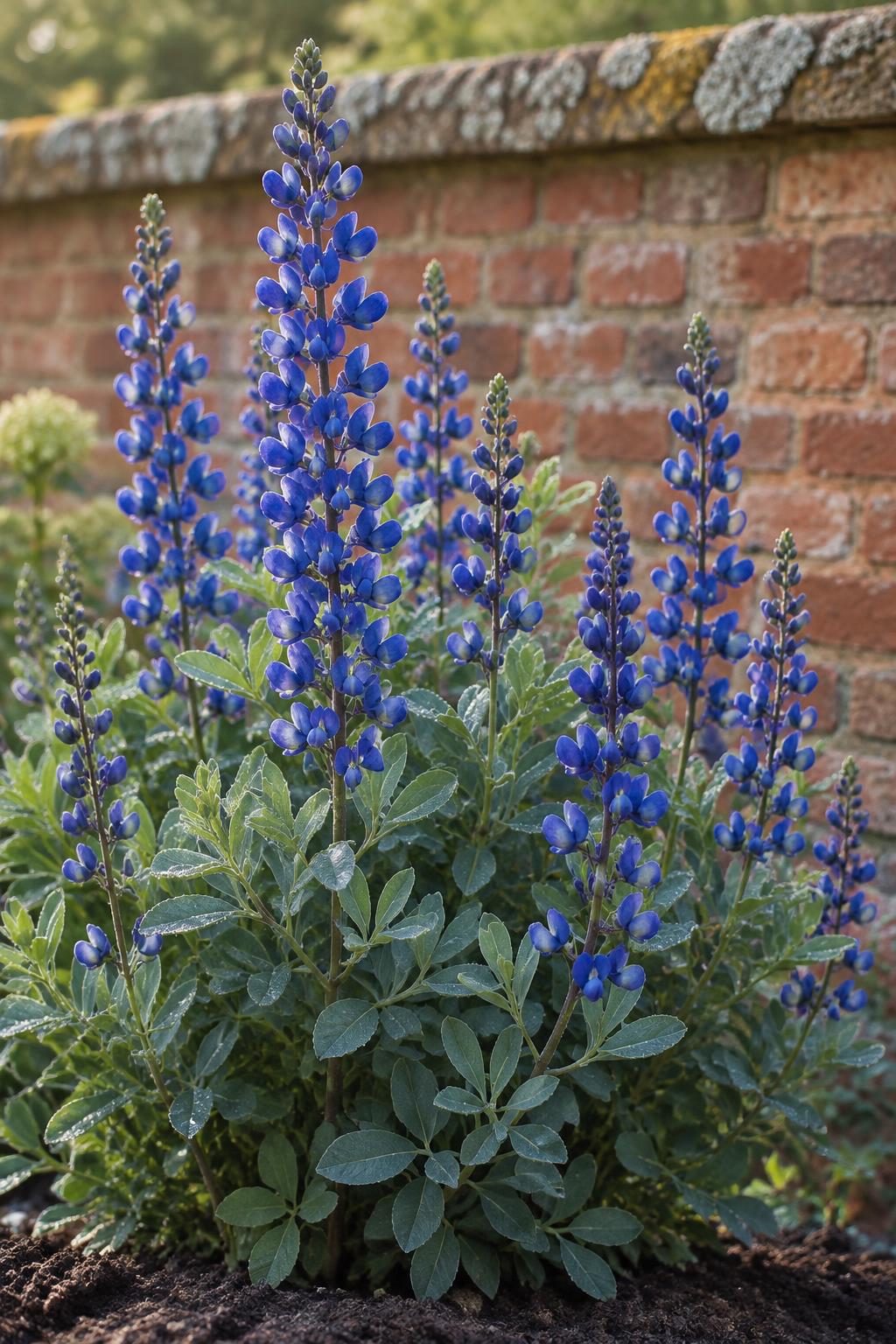
| Lupine (4a–9b) | Grown as an annual in Zones 7–8; short-lived in hot, dry summers | Baptisia australis (3a–9b) | Hot summers and dry spells; tolerates clay | Full sun | Late spring |
| Foxglove (4a–9b) | Drought stress cuts flowering; needs afternoon shade; toxic | Penstemon digitalis (3a–8b) | Dry spells; avoid wet, poorly drained soil | Full sun to light shade | May–July |
Hollyhock has no obvious stand-in, so it stays off the table. It takes Zones 5a to 9b, and its rigid spikes stand without staking.
Why Most Cottage Garden Flowers Lists Are English-Summer Lists
The tag on a nursery pot gives you one number, and it’s the wrong half of the question. The USDA Plant Hardiness Zone Map is the official reference for cold, and it tells you what survives your winter. It says nothing about July.
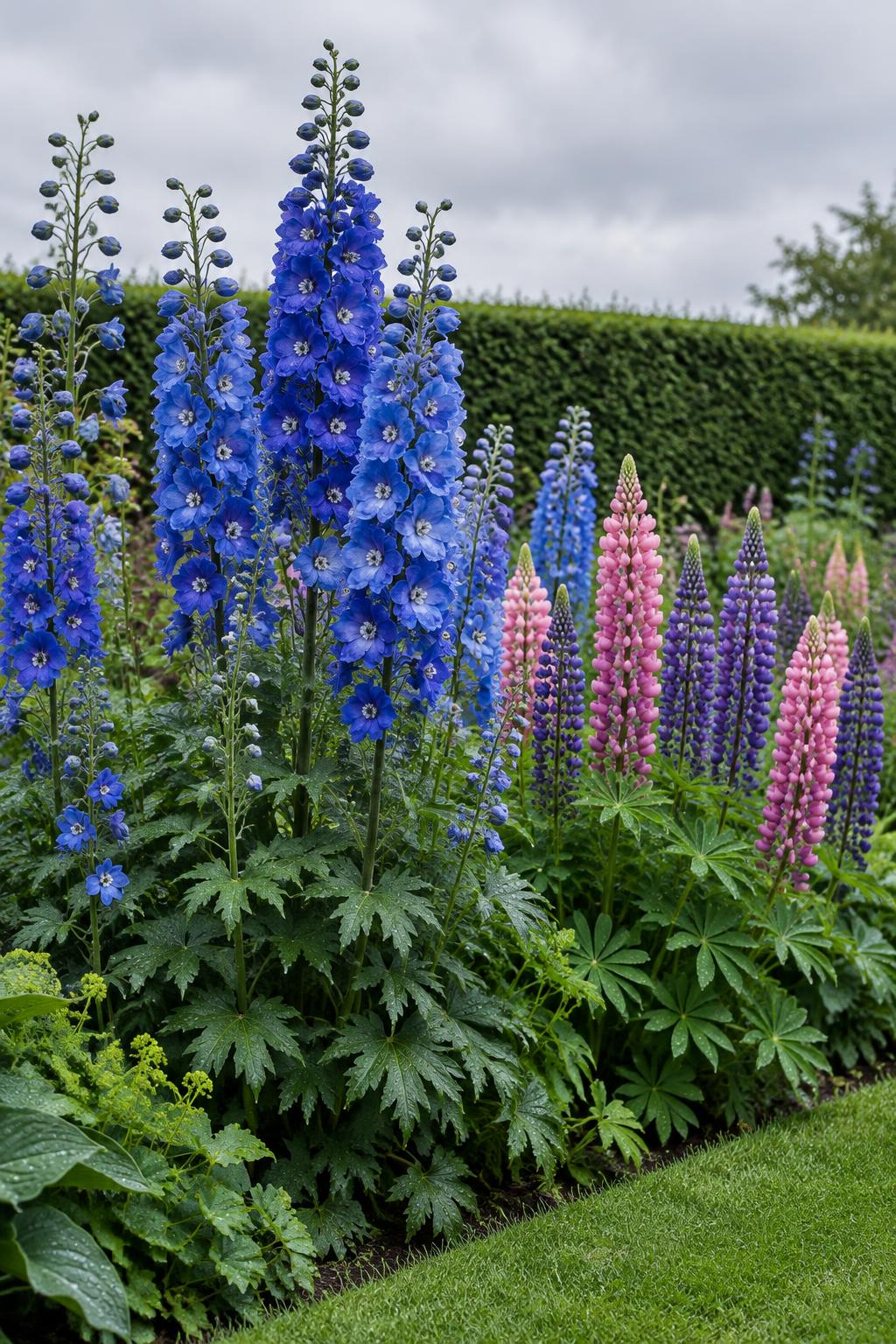
That’s the job of the American Horticultural Society’s Plant Heat-Zone Map. It splits the country into 12 zones by the average number of days a year above 86°F, the point where most plants start to suffer. Zone 1 has fewer than one such day. Zone 12 has 210 or more. Read together, the two maps give a plant a two-part code. That pairing explains the table: delphinium is hardy to Zone 8 and still struggles south of Zone 7, because the summer finishes it, not the winter.
The heat map dates from 1997 and has never been updated, so your real heat zone is probably a little hotter than it shows; Fine Gardening’s advice is to choose plants well inside their range. Heat zones aren’t on every plant tag, and the extension pages for these plants give USDA ranges only, so the table does too. The map still tells you how hard your summer is.
The way I work, a plant goes on a plan only after I’ve asked what July does to it, and then what January does. I live in Vancouver, Washington, where the winters are long and wet, and January is the harder question. No plant swap fixes a soggy winter. Proven Winners lists echinacea, salvia and agastache, the plants that shrug off a hot summer, along with delphinium as prone to winter crown rot. Baptisia is the only plant on the table that NC State lists as tolerating clay and occasionally wet sites. Everything else needs the ground fixed first, and that drainage step belongs at the start of cottage garden design, before a single plant goes in.
Planting for bees and butterflies, and a calendar of what flowers when, have their own guide on the pollinator garden side of the site.
Cottage Garden Perennials That Bloom for Months, Not Weeks
The stand-ins also flower longer than the classics they replace:
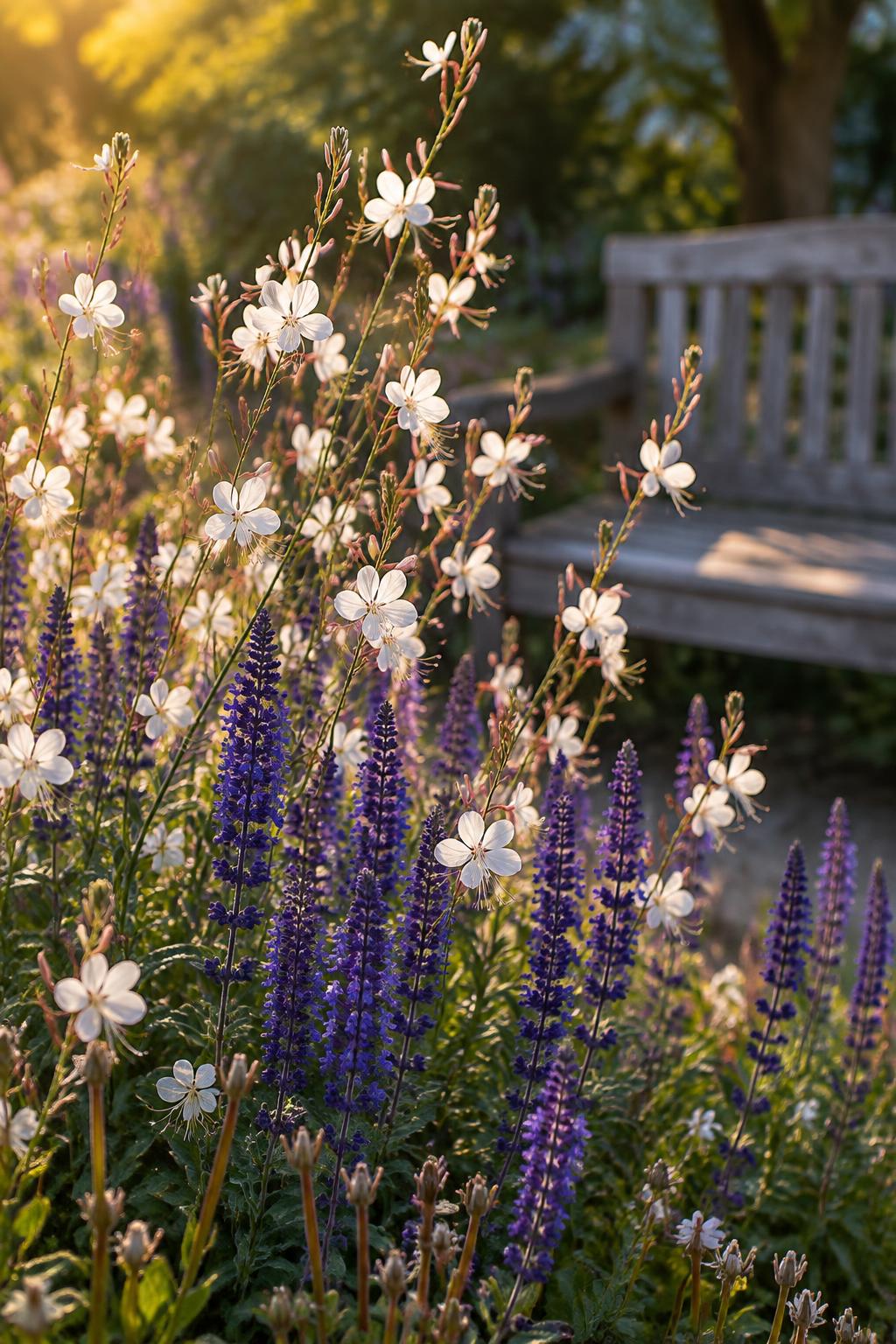
- Gaura flowers from summer until the first fall frost, and a light trim after flowering keeps it going.
- Salvia nemorosa puts up violet-blue spikes from June to September. Cut the spent spikes back and it often blooms again, several times over.
- Agastache rupestris blooms summer into fall in a dry climate, and deadheading the first flush often brings a fall one.
- Penstemon digitalis runs May to July, the shortest window here, which is the price of a foxglove look without the foxglove.
Set those beside the classics. Delphinium flowers early to midsummer, its second spikes aren’t as full as the first, and most plants last two or three years. Lupine flowers late spring to early summer and lives two to five. You can buy a delphinium for one big early show, or a salvia for four months.
Two plants on these lists won’t hold themselves up. Delphinium needs staking, and gaura’s thin, wiry stems get leggy and floppy. If you’d rather skip the canes and twine, choose from the plants that stand without stakes and keep the floppers to a spot where leaning looks deliberate.
Self-Seeders Worth Having, and the Ones That Take Over
A self-seeder is half the charm of a cottage bed and half the risk. My test is plain: let in what you would happily pay for, and pull what you wouldn’t.
Self-seeders worth a place
These five seed themselves around without much harm, and one comes with a regional catch.
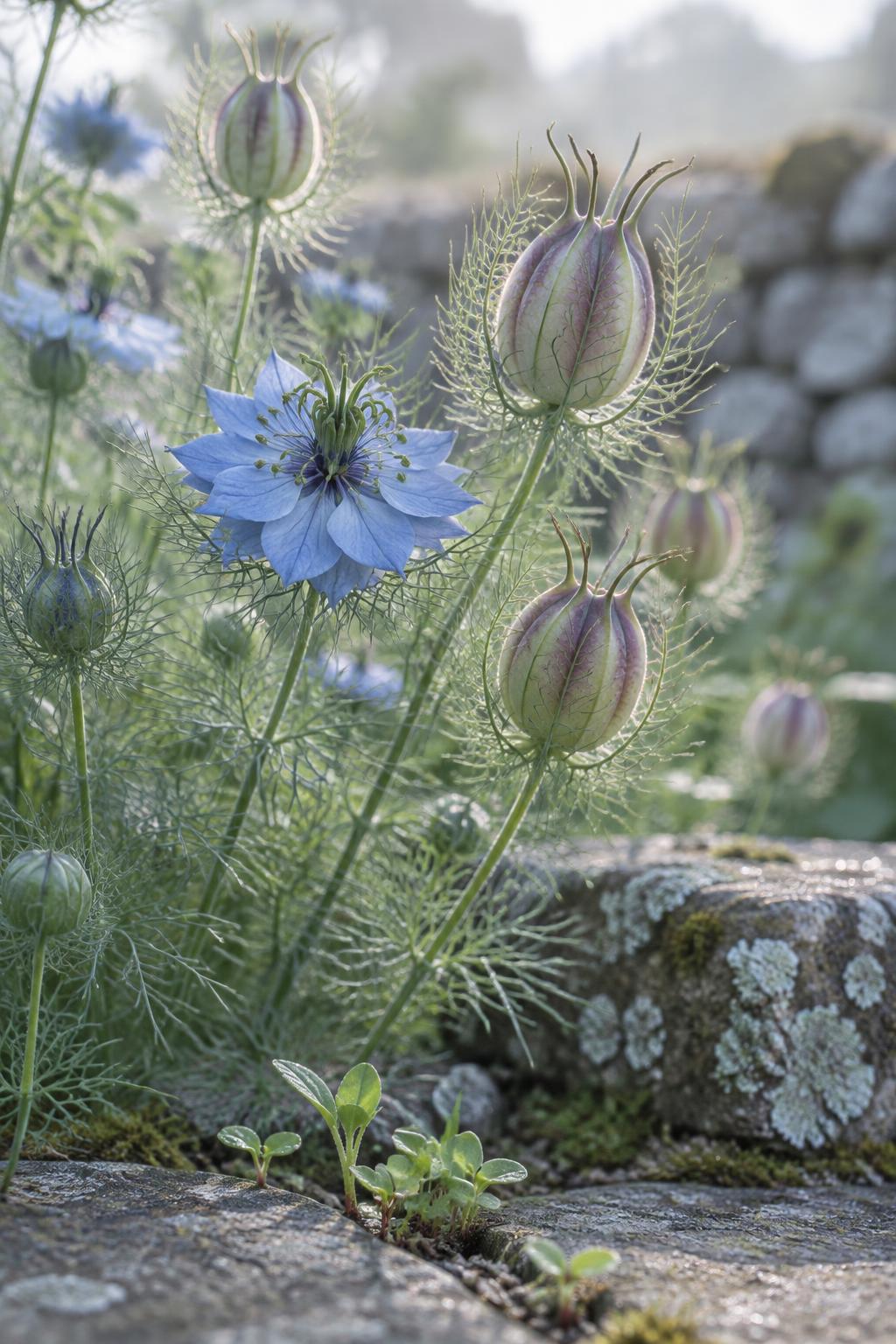
- Nigella (love-in-a-mist). A cool-weather annual. Fall-sown seed overwinters as seedlings, and deadheading stops it if it gets ahead of you.
- Echinacea. Reseeds in the garden, so one clump becomes a loose drift.
- Hollyhock. A biennial to annual that readily reseeds, which is how it keeps coming back.
- Foxglove. A biennial that carries on only if some flowers set seed; deadhead the rest. Foxglove is poisonous, so weigh that before you let it spread.
- Verbena bonariensis, with a caution. Hardy in Zones 7 to 11, it spreads by volunteer seedlings and has naturalized from North Carolina to Florida and west to Texas. In that range, keep it in the bed and out of natural areas.
Invasives to leave out
- Dame’s rocket (Hesperis matronalis). Restricted in Wisconsin, on Colorado’s noxious weed list, and listed as invasive in Mid-Atlantic natural areas. It turns up in “wildflower” seed mixes and passes for phlox, but it has four petals and alternate, toothed leaves where phlox has five petals and opposite, smooth-edged ones. If you pull it in bloom, don’t compost it; the seeds can still ripen.
- Mexican feather grass (Nassella tenuissima). Thousands of seeds ride wind and water into cracks and gaps. It’s on the California Invasive Plant Council’s watch list and invasive in Australia.
Rules differ by state, so check your state’s invasive list for anything you’d let seed freely.
Foxglove and Other Toxic Cottage Plants Around Pets and Children
Foxglove is the classic most worth swapping in a house with a dog, a cat or a toddler. The ASPCA lists it as toxic to dogs, cats and horses, and the toxic part is a group of cardiac glycosides that can upset heart rhythm. Flowers, leaves, roots and stems are all poisonous, to people as well as pets.
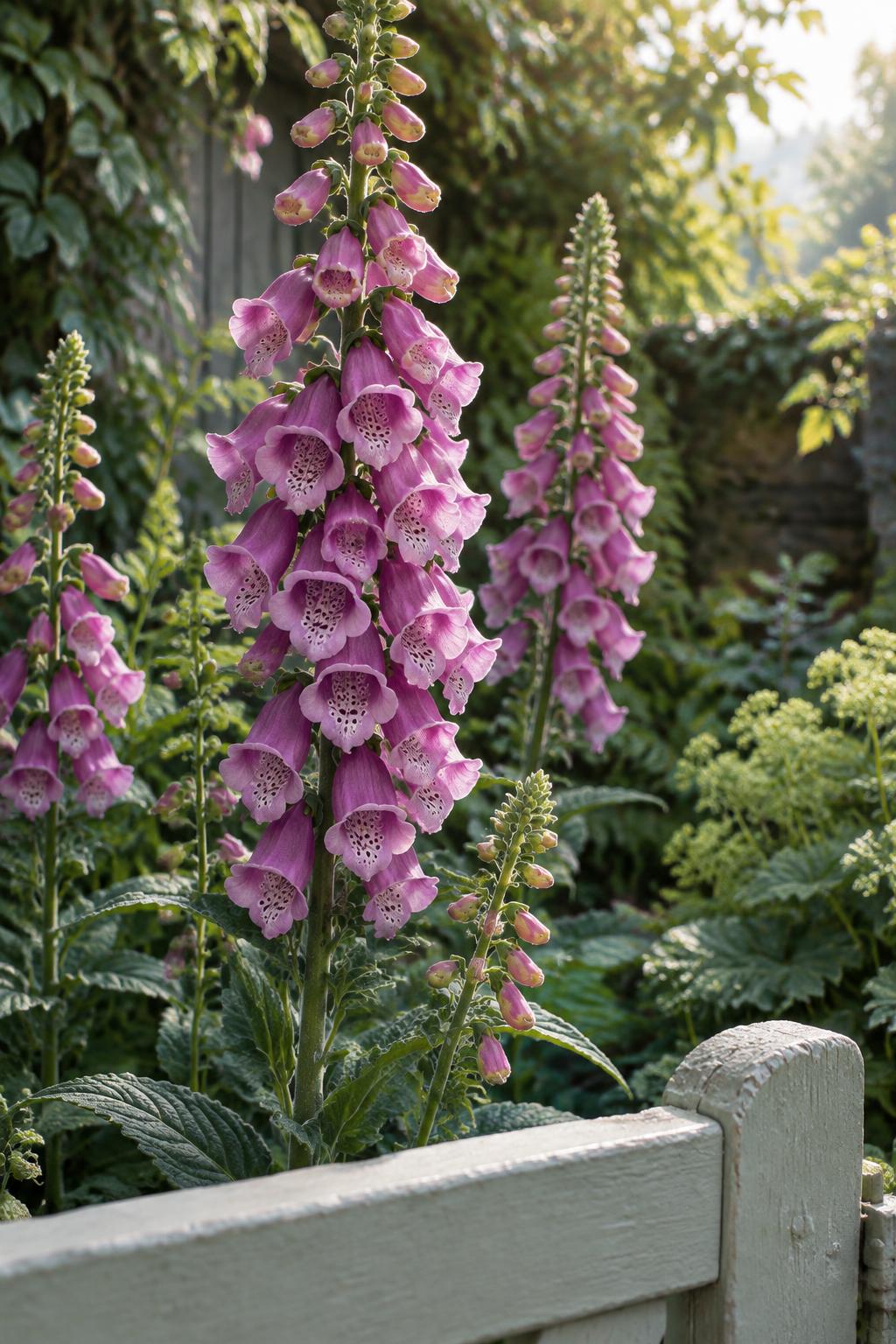
Two other old favorites belong in the same bracket. Monkshood is highly toxic in every part, and larkspur is toxic in every part too, with young growth thought to be the worst. Delphinium is poisonous to people and some animals if eaten, so keep small children and the family pet out of that bed. Lupine and baptisia sit at the low end, harmful only if eaten in quantity, and hollyhock is listed as non-toxic for cats, dogs and horses.
Plant poisonings are rare, and fatal ones rarer still, but that’s no reason to put foxglove where a child plays. If you want the spires, plant Penstemon digitalis, which lacks foxglove’s toxicity; that’s a comparison, not a promise it’s safe to chew. If you keep foxglove, give it a back corner, label it, and teach children not to eat leaves, buds or flowers. A deer rating isn’t a safety rating, either: deer rarely touch foxglove, and it’s toxic to dogs and cats. The US Poison Help line is 1-800-222-1222.
Start With Three Plants and Give Them Two Seasons Before You Judge
Three plants are enough for this season, chosen for the sun your bed actually gets.
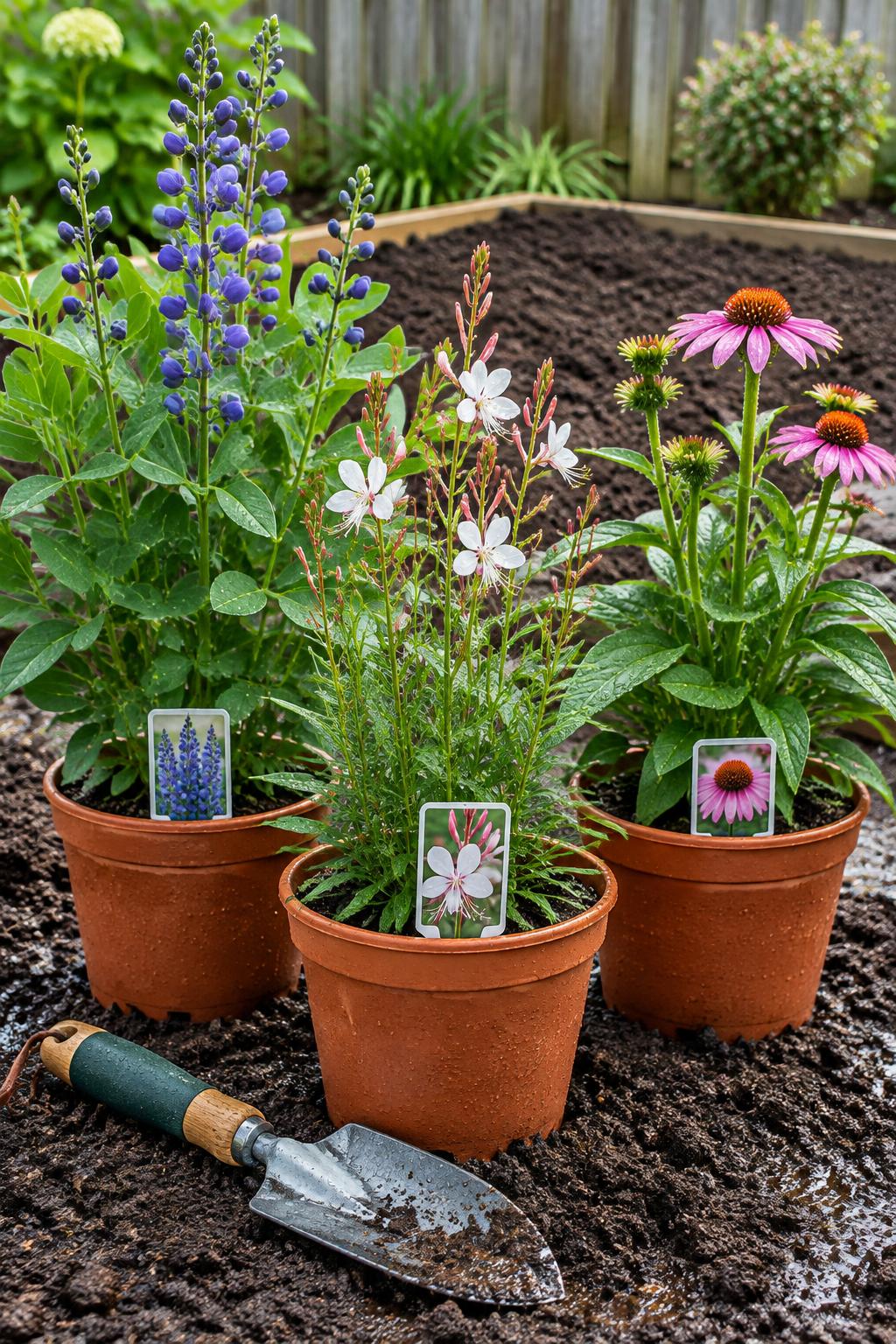
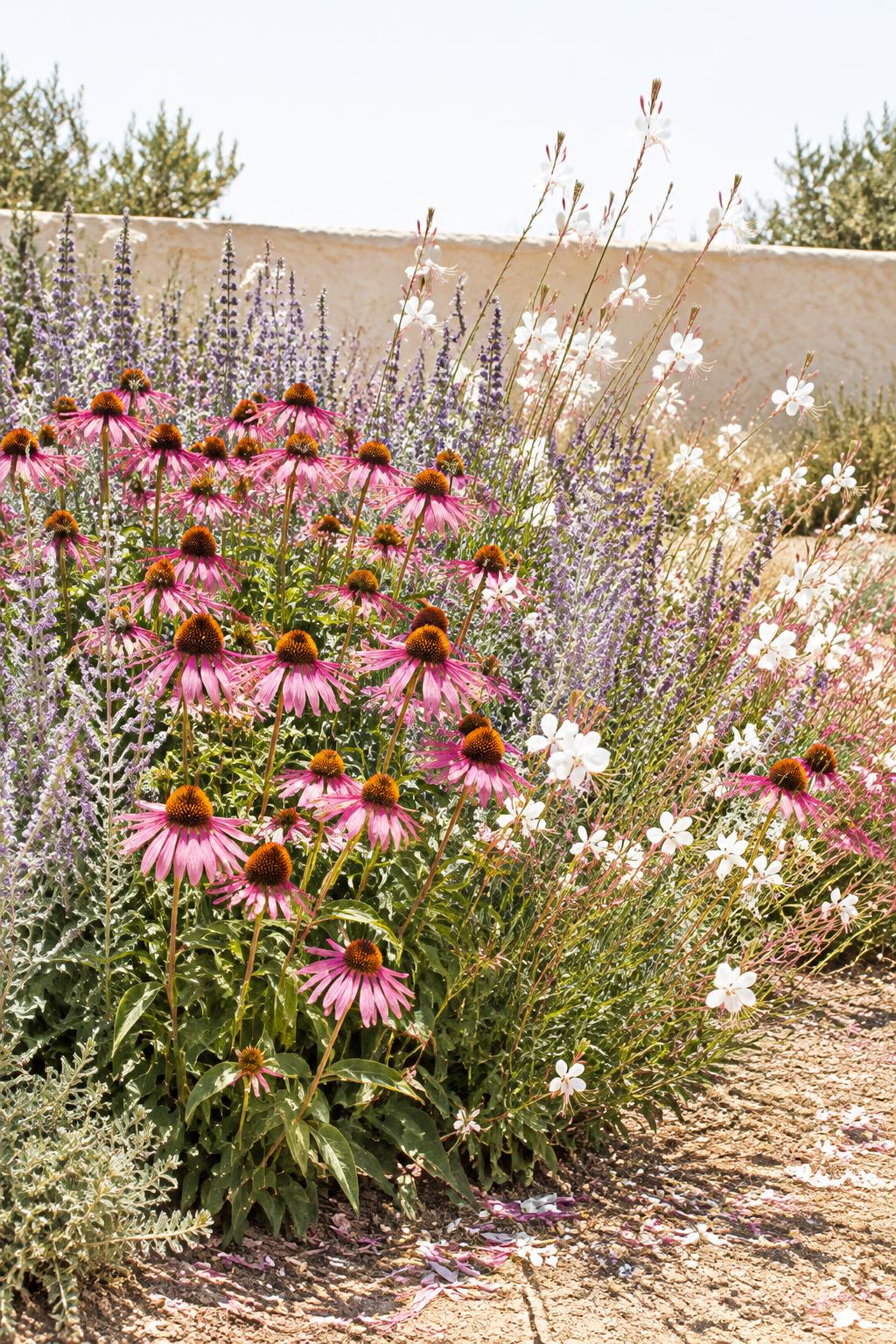
Pick one spire for the classic you were sorry to give up: baptisia if it was lupine, Penstemon digitalis if it was foxglove. Pick one long-bloom filler: gaura in a hot, humid place, Salvia nemorosa where summers run dry. Then add echinacea, which handles heat and humidity and seeds itself into the gaps. Give baptisia its permanent spot on day one, because its deep taproot makes it drought tolerant and very hard to move later.
Then be patient. Drought-tolerant plants take two to three growing seasons of regular watering to root deeply enough to show what they can do. Perennials need regular water at least through their first growing season, so don’t judge any of them on the first summer.
Start by counting your hours of direct sun. If your ground is dry and gritty, the planting guide for gravel patios covers plants made for exactly that. And if fence and trees keep the bed in shade most of the day, none of these three is your starting point; a shady plot needs its own set of cottage plants for shade.
FAQ
What cottage garden plants are deer resistant?
Agastache, baptisia and common foxglove are rated rarely damaged by deer on the Rutgers list, with echinacea and delphinium a step behind as seldom severely damaged. Iowa State’s list agrees on agastache, false indigo and foxglove. No plant is deer proof, though; how much gets eaten depends on your local deer numbers and the weather.
What cottage garden plants flower all summer?
Gaura comes closest, flowering from summer to the first frost. Salvia nemorosa runs June to September and often reblooms when cut back, echinacea flowers June to August with heads into fall, and Agastache rupestris blooms summer into fall in dry climates. Delphinium, by contrast, gives one big early display and a smaller second.
Are cottage garden flowers annuals, biennials or perennials?
A mix of all three. Nigella is an annual that self-seeds, foxglove and hollyhock are biennials that can act like annuals, and echinacea, salvia, gaura, baptisia and penstemon are perennials. Some classic perennials are short-lived: delphinium usually lasts two or three years, lupine two to five, and both are grown as annuals in the South.