How Wide Should a Garden Path Be? Measure the Barrow
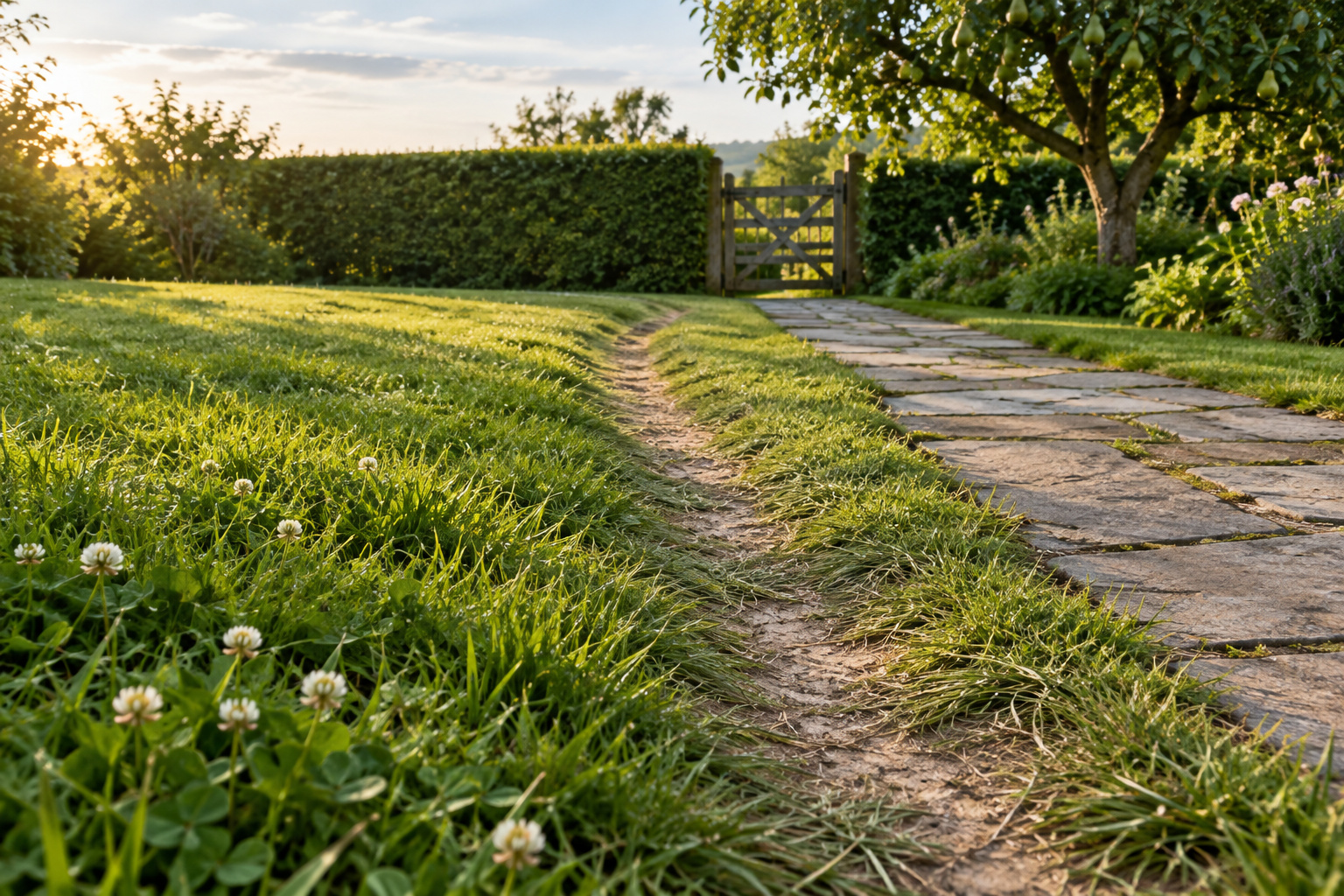
How wide should a garden path be? Widths for one walker, two side by side and a wheelbarrow, and why to watch where your household walks before you build.

How wide should a garden path be? Widths for one walker, two side by side and a wheelbarrow, and why to watch where your household walks before you build.
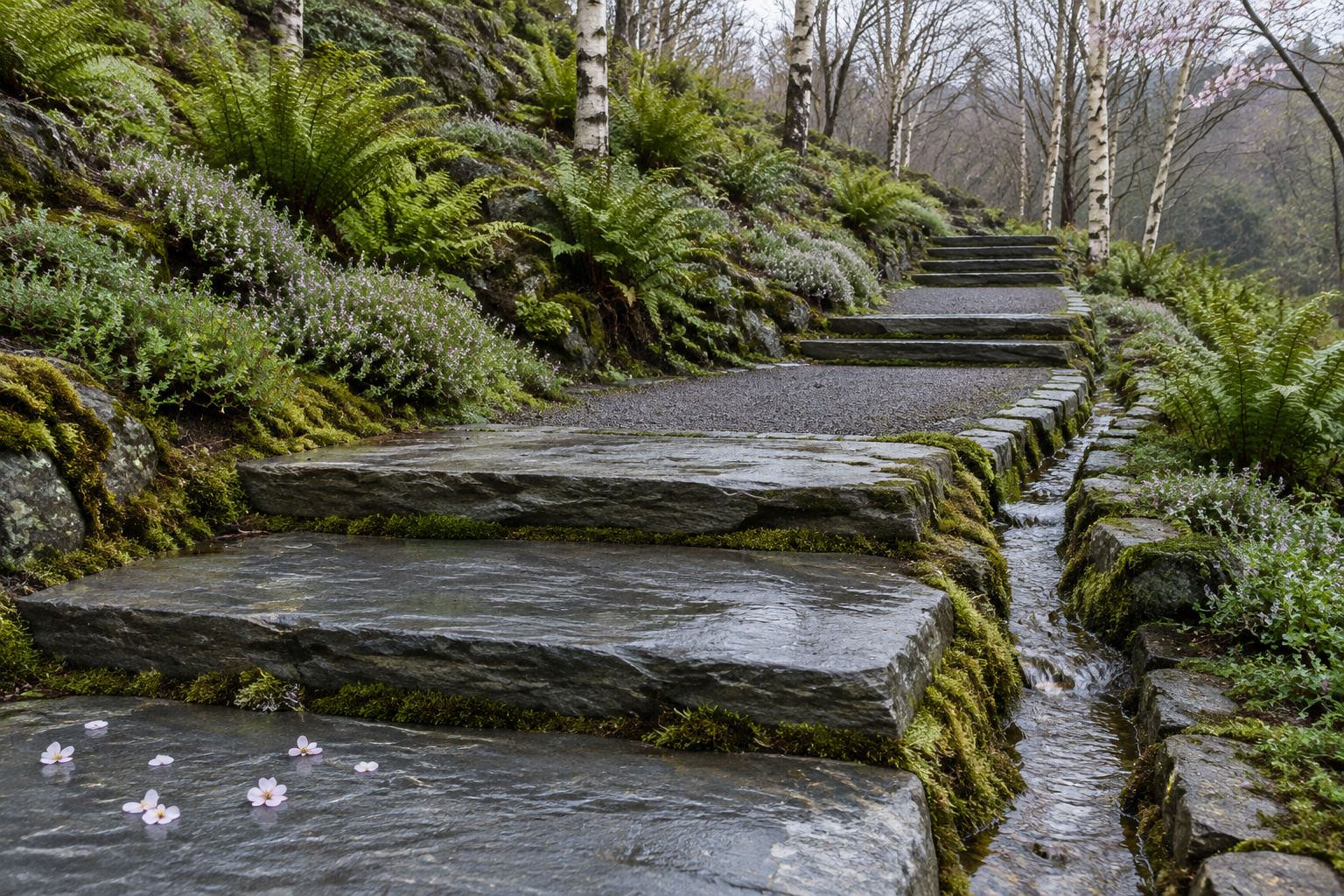
Planning a garden path on a slope? Decide where the water leaves first, then pick a ramp, steps or switchback by gradient and build from the bottom step up.
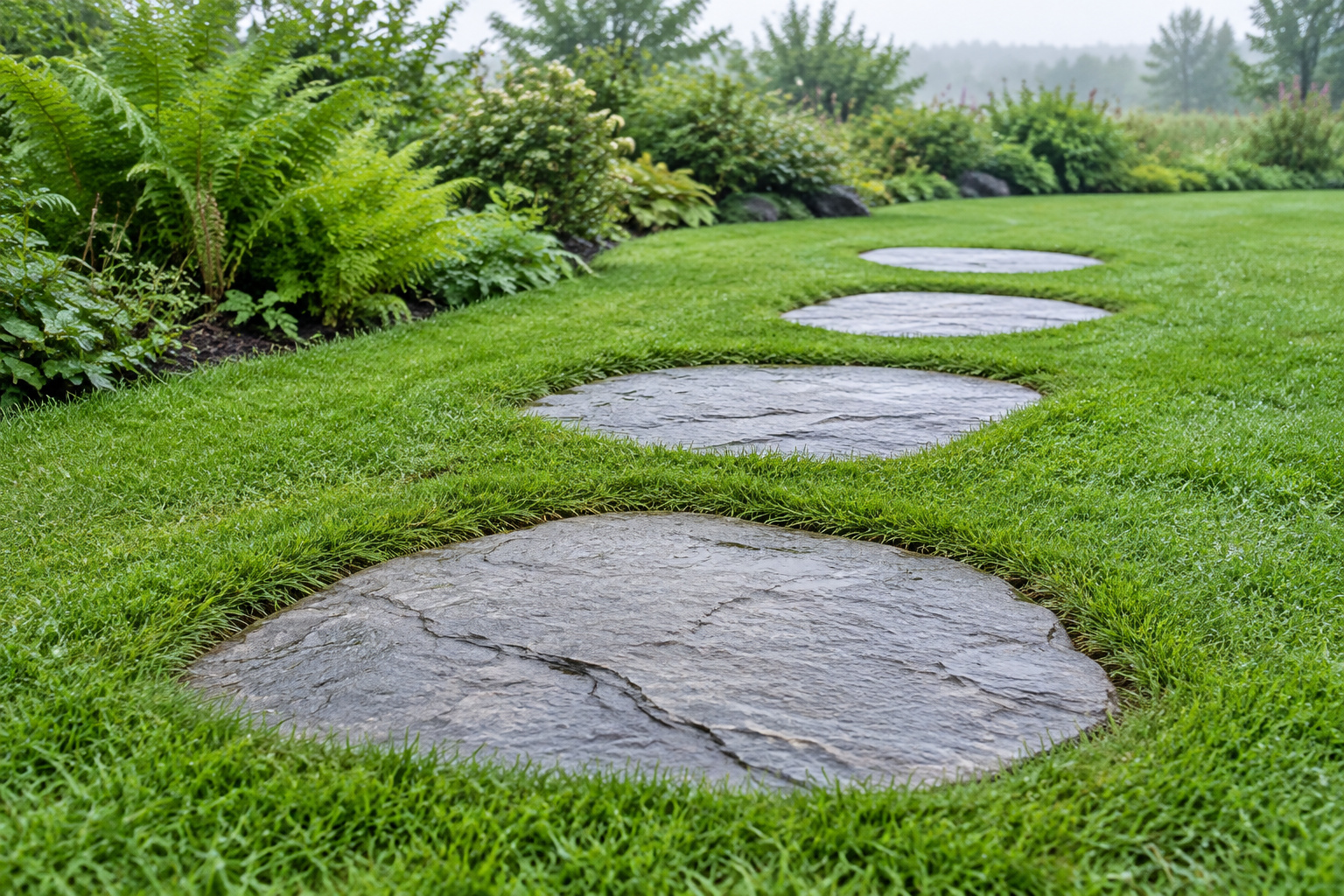
Lay a stepping stone path that fits your stride: what the 18 to 24 inch spacing really means, how to measure your step, pick stones and set them flush.
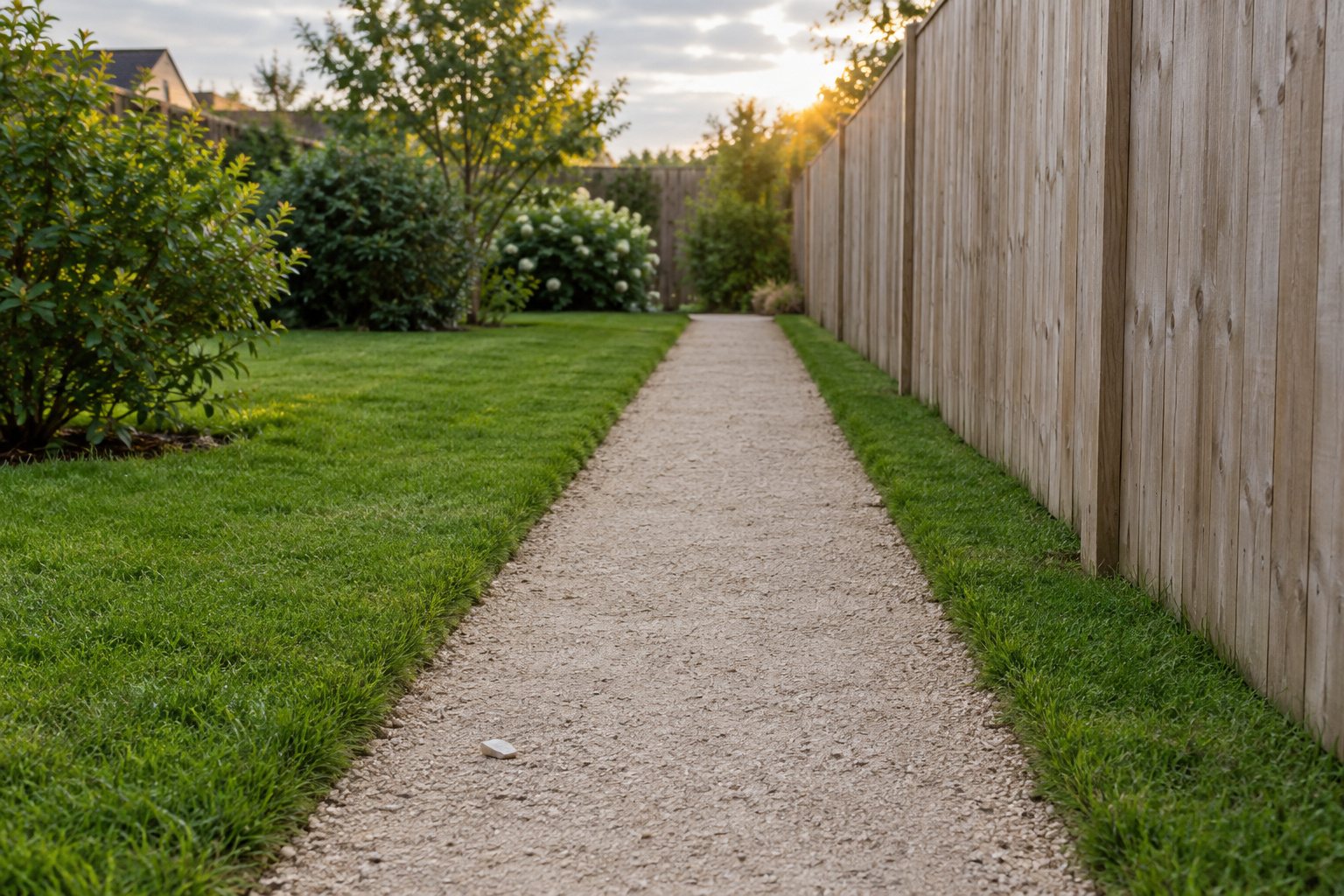
Cheap walkway ideas priced per foot over five years: bark, gravel, stepping stones and pavers, with the edging, base and top-ups most lists leave out.
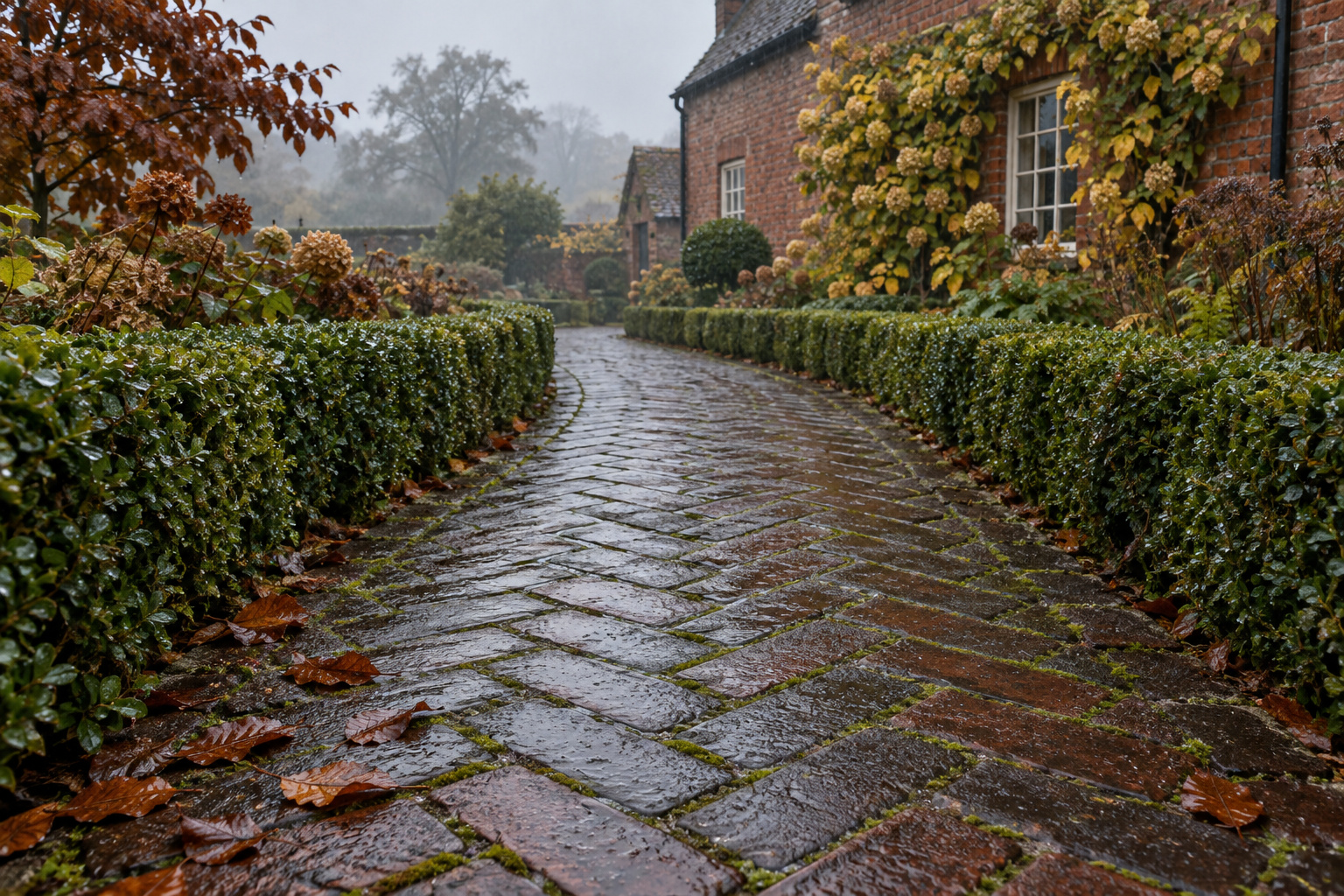
Build a brick garden path that survives winter: four checks for salvaged brick, patterns matched to the path’s shape, and a sand-set build order.
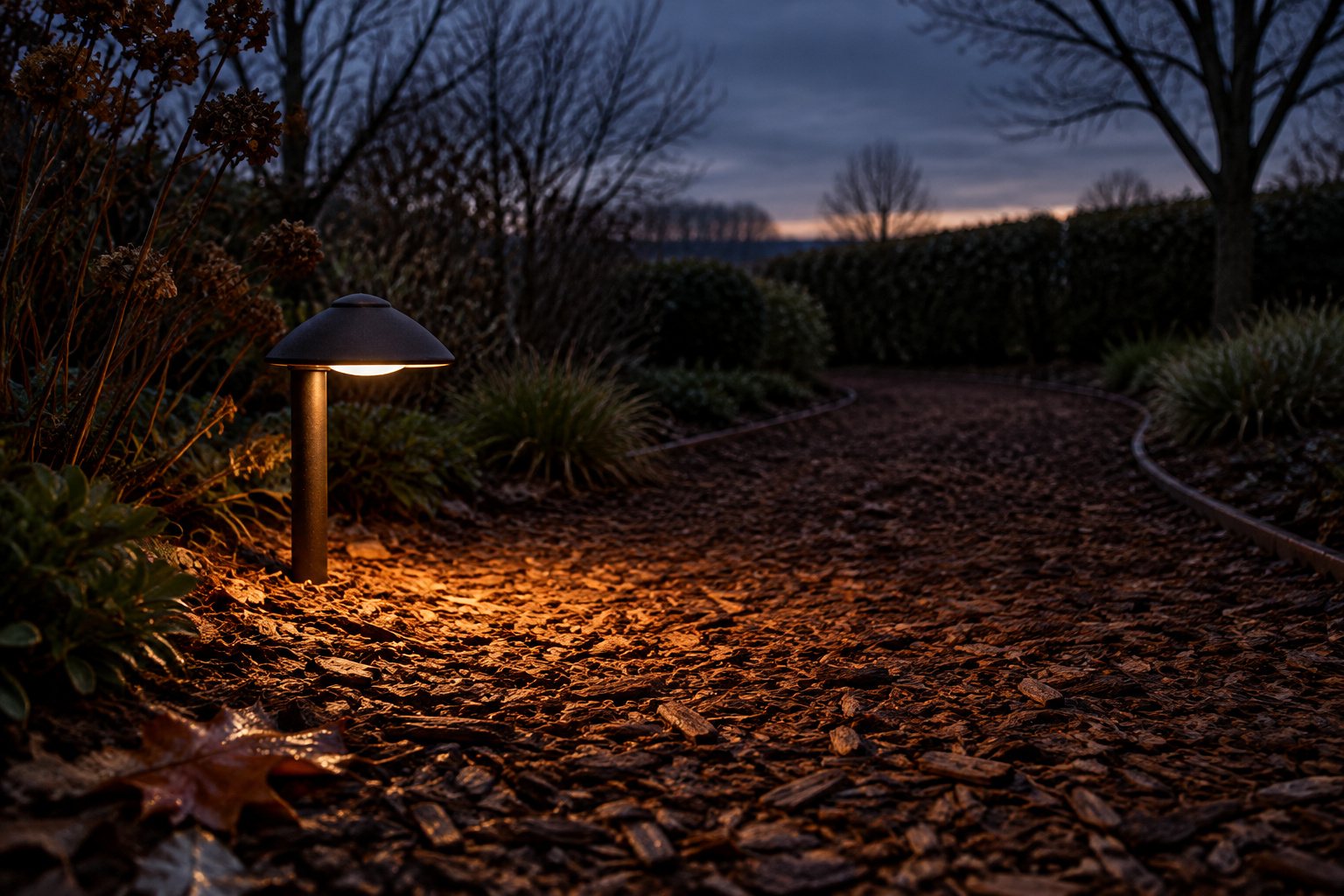
Garden path lighting for a dark winter evening: light the steps, turns and door, keep fixtures low, shielded and warm, and test them before you dig.
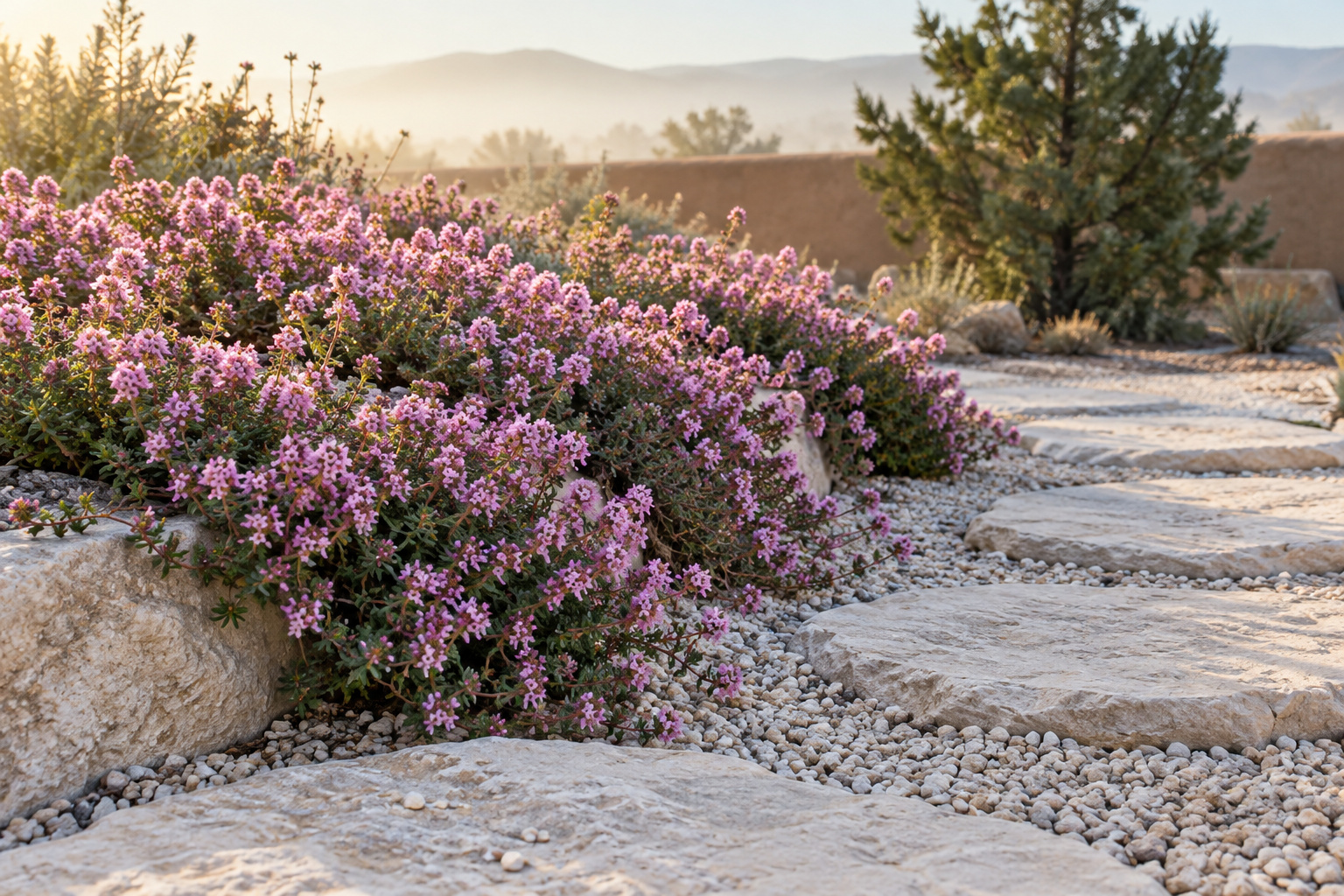
Ground cover between stepping stones on a family path: which walkable plants draw bees, how wide the gap must be, and when gravel is the better fill.
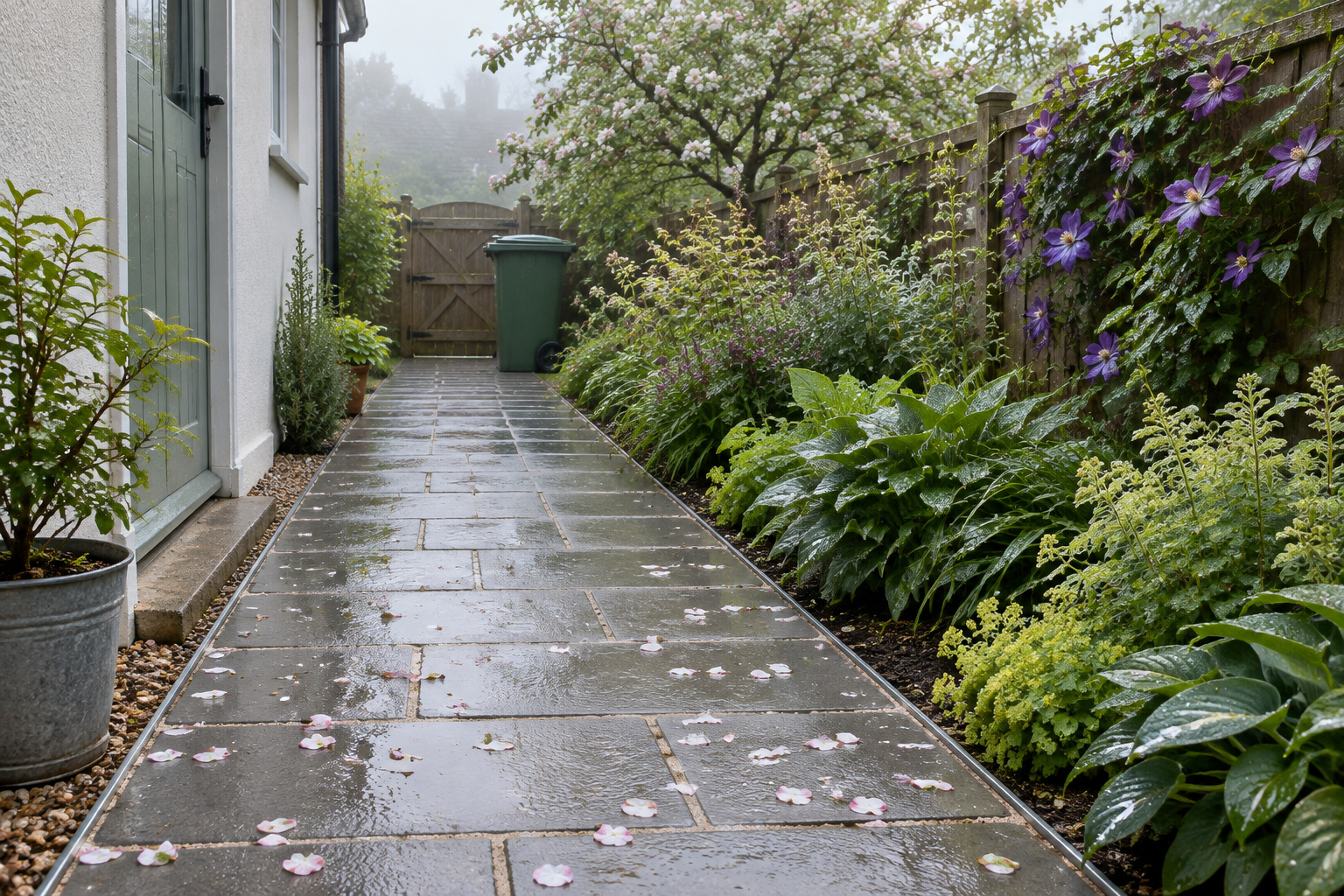
Garden path ideas sorted by the trip each path makes: a firm, dry surface for the daily route to the bins, softer ones for the weekend wander.
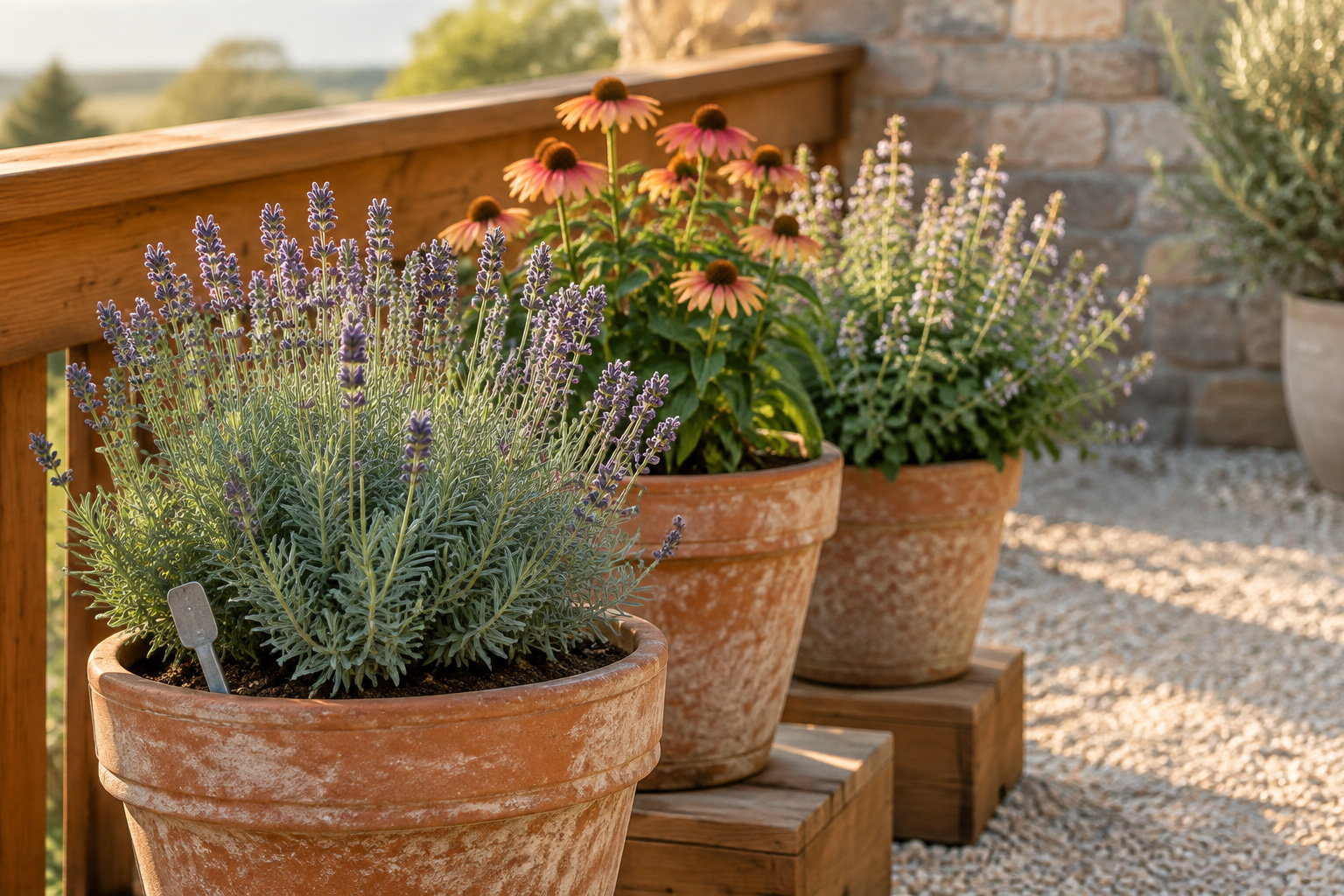
A container pollinator garden works on any balcony if you size pots by soil volume, group three for continuous bloom, and overwinter instead of rebuying.
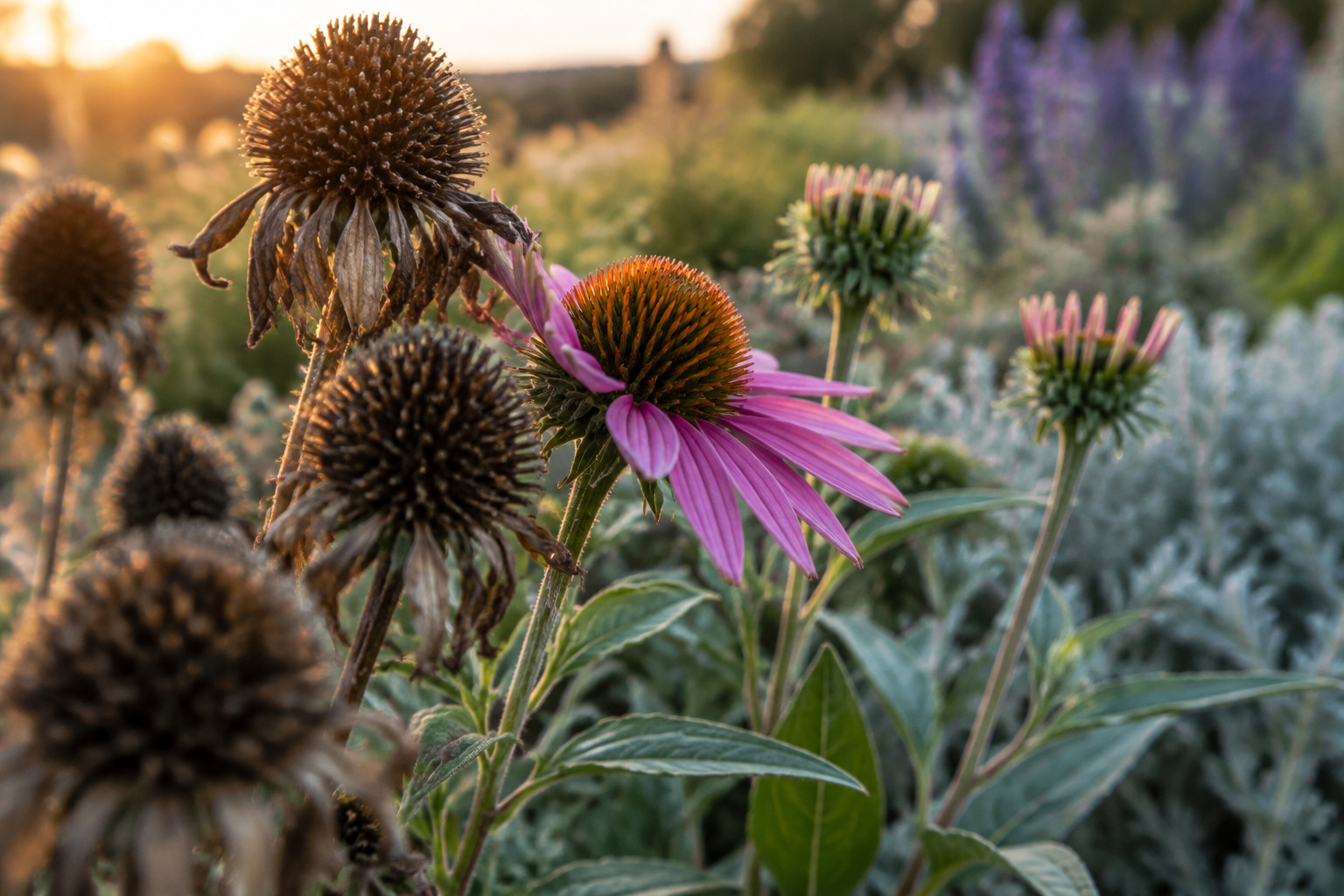
Pollinator plants that bloom all season come from three bloom windows, not one nursery run. A month-by-month calendar with named species and zones.
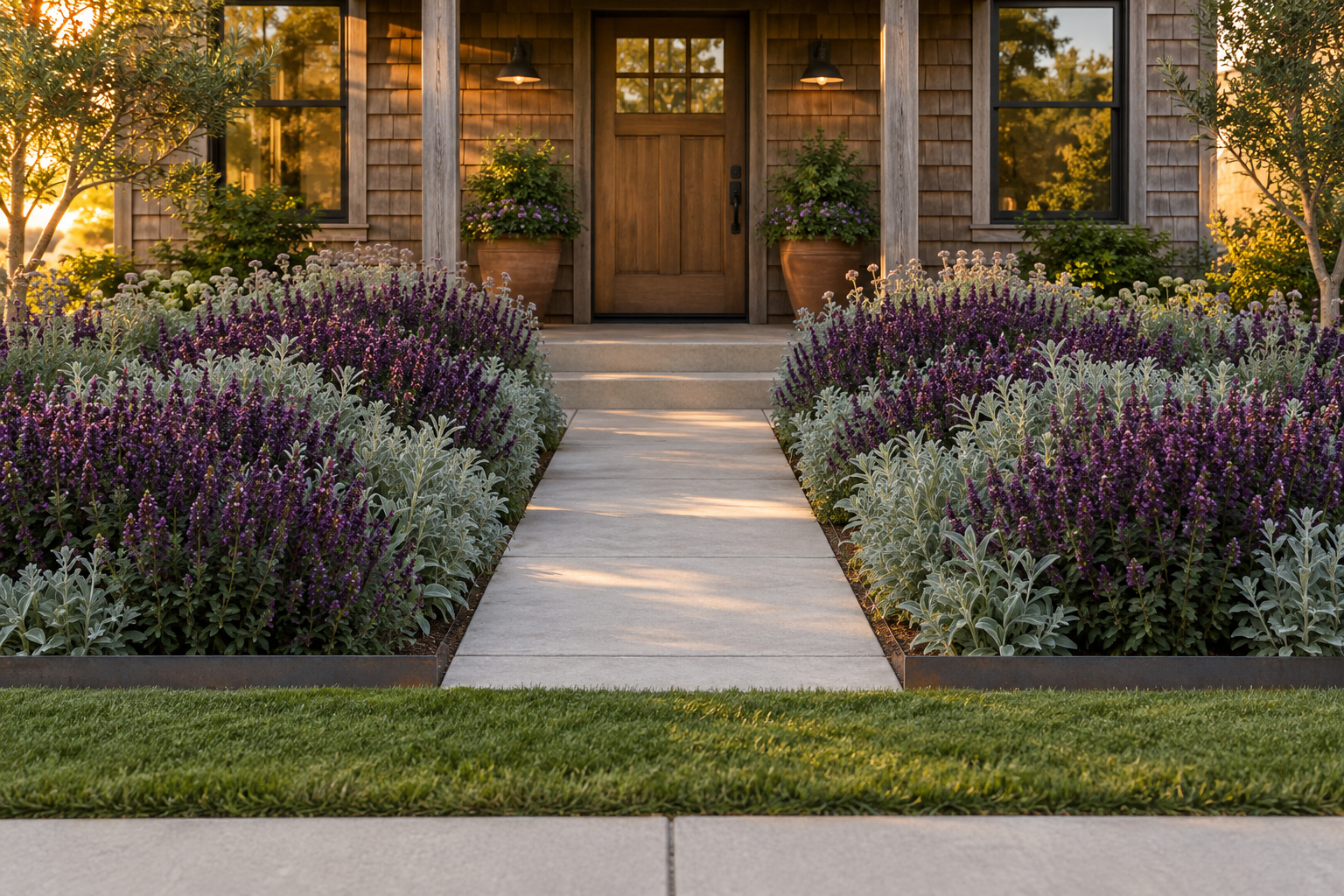
How to build an HOA-friendly pollinator garden that looks deliberate from the pavement: edging, massing and height cues, plus what covenants can enforce.
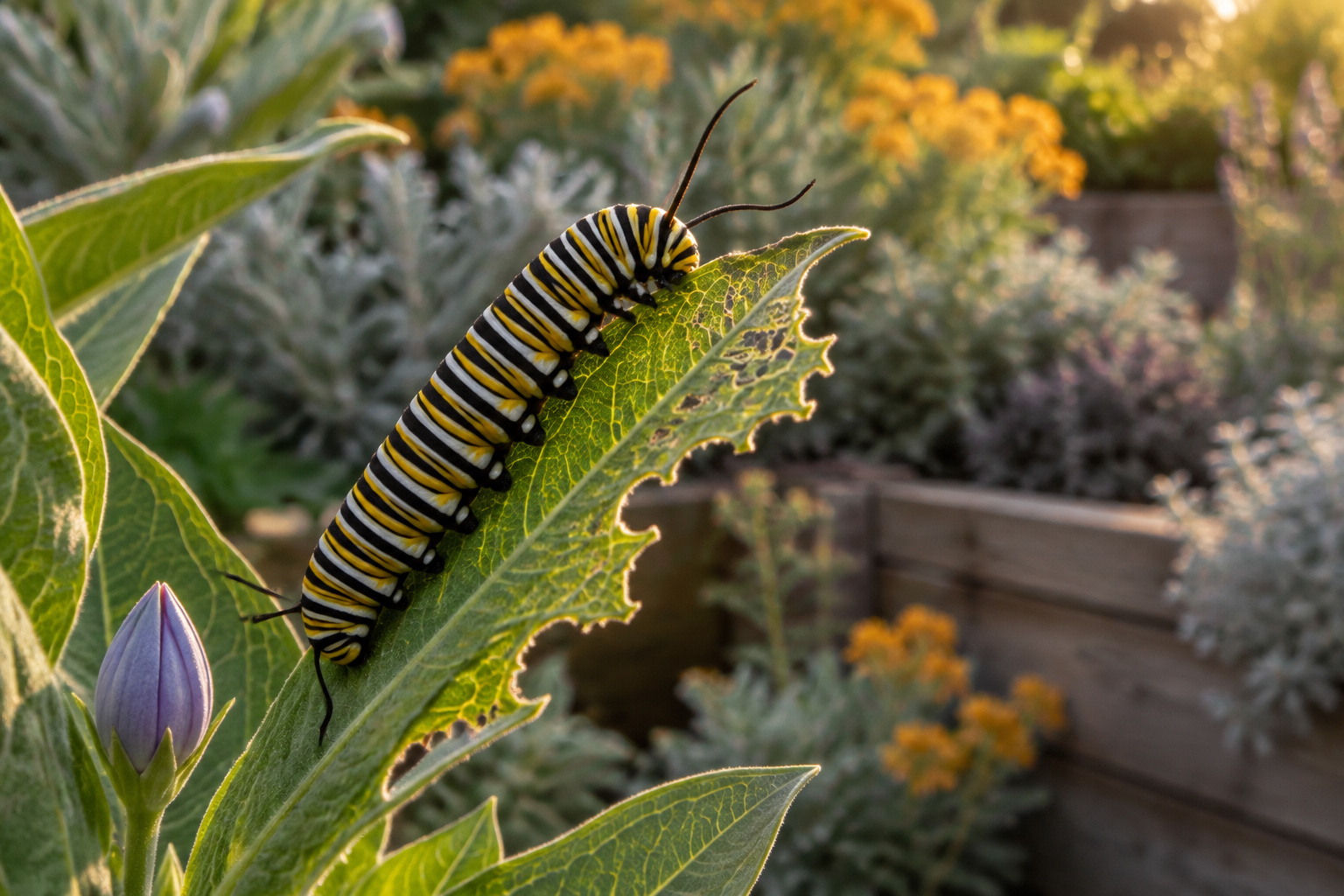
Butterfly host plants are the ones caterpillars eat. Pair six common butterflies with the right plant, site the bed at kid height, and watch every stage.
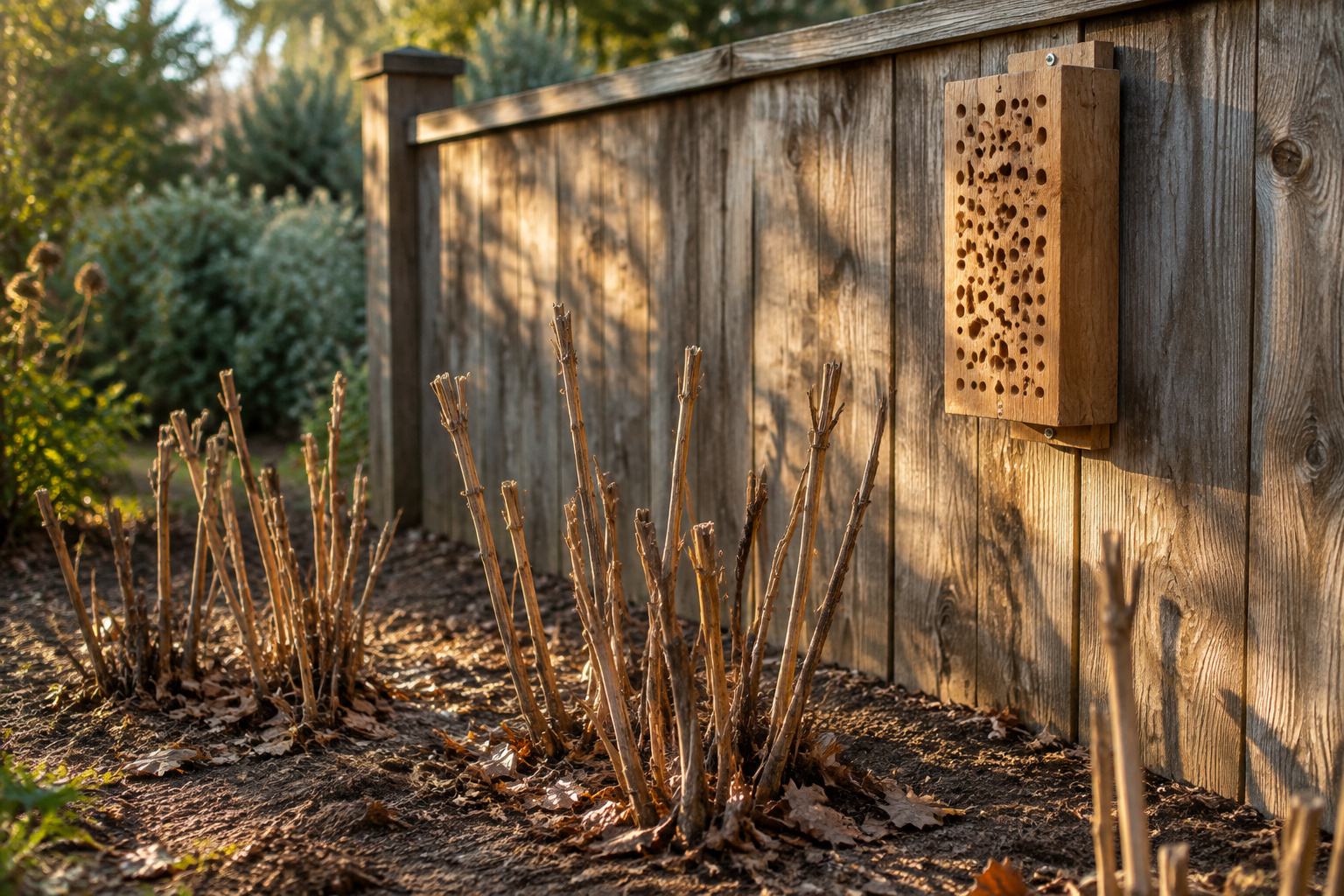
Real bee nesting habitat is bare soil, stems cut to 8-24 inches and leaf litter — plus the drilled block spec and the spring cleanup rule that isn’t true.
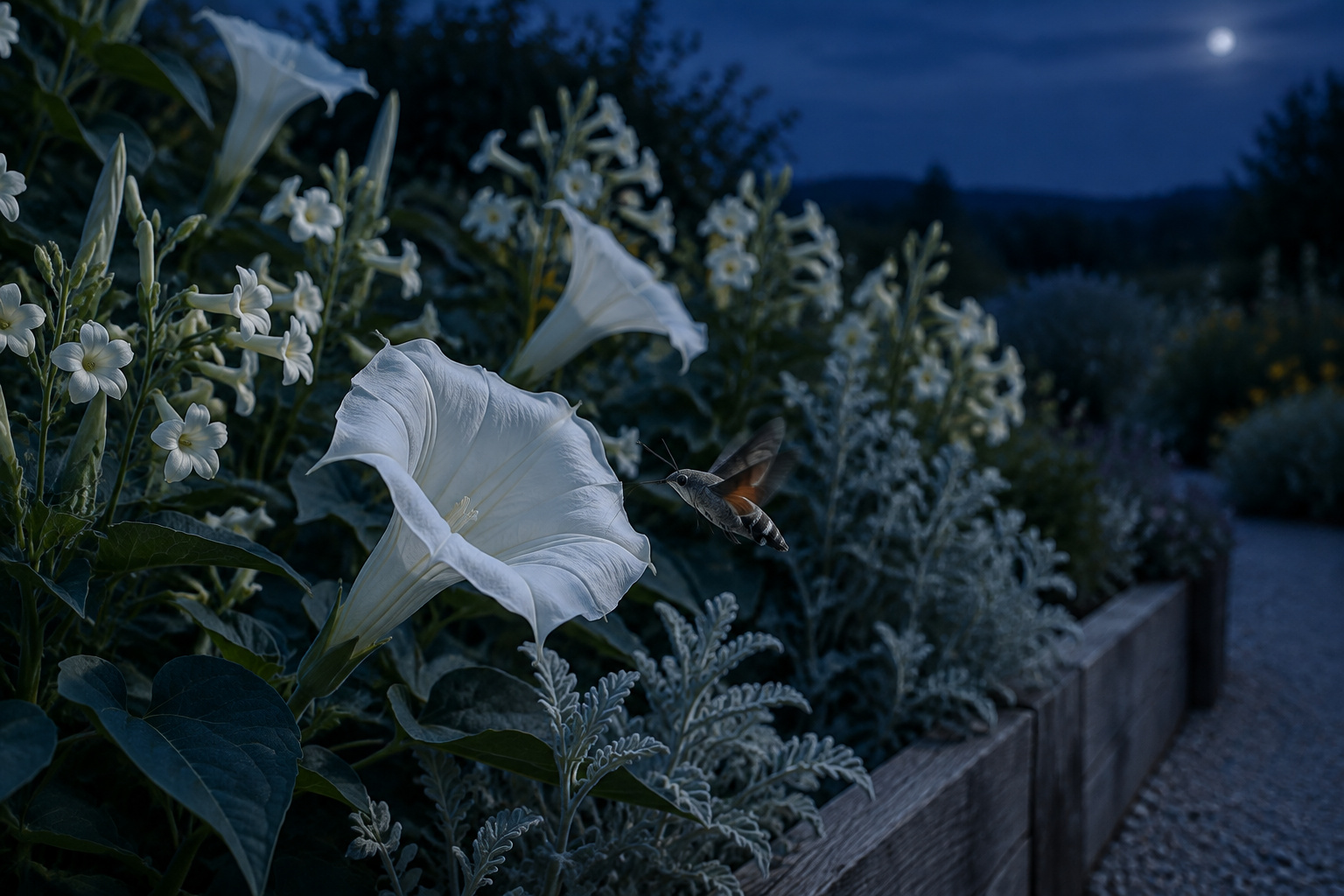
Moon garden plants for moths and evening scent: what glows after sunset, which flowers open at dusk, and why leaving that corner unlit is the point.
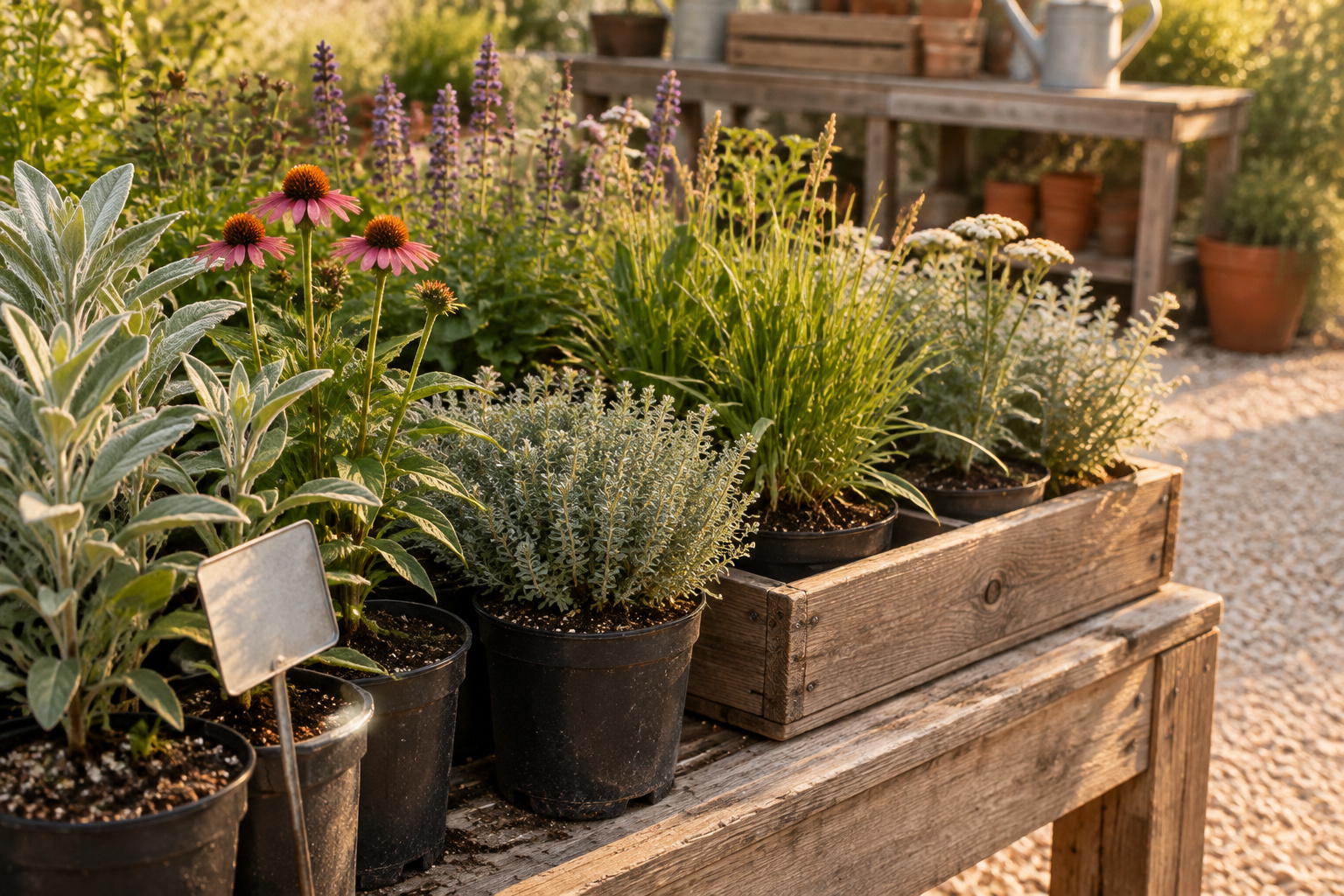
Native plants for pollinators are only as good as their source. How to read a plant tag, ask the three right questions, and where to buy untreated stock.