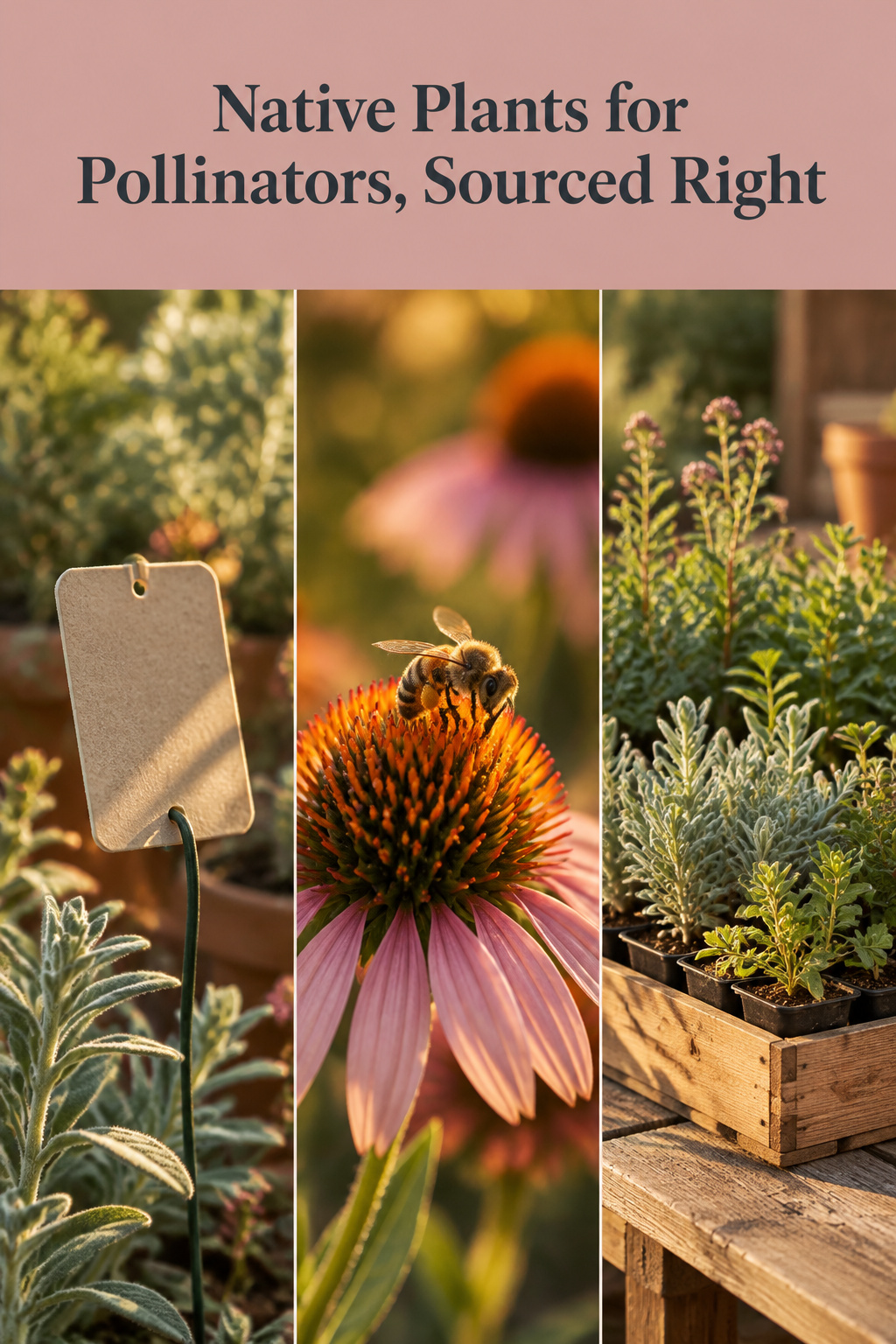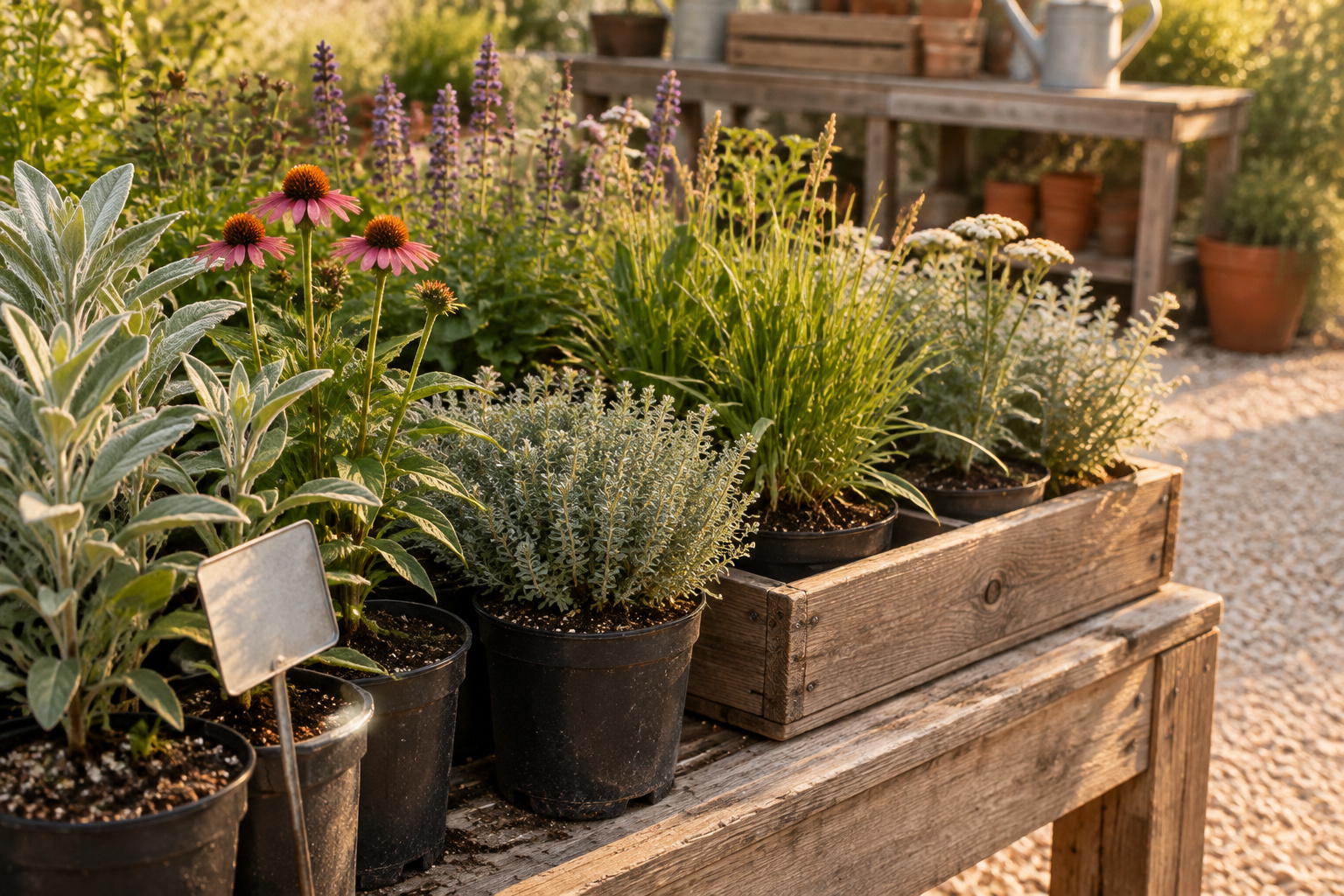
A garden centre offers you two hundred plants and one word. Nearly every bench carries a tag with a bee on it, and the bee does no work at all. Picking native plants for pollinators is easy in that aisle. Learning which were drenched with a systemic insecticide first is hard, because the tag stays silent. So I sift on one question: can this source say what was applied to this plant, and when?
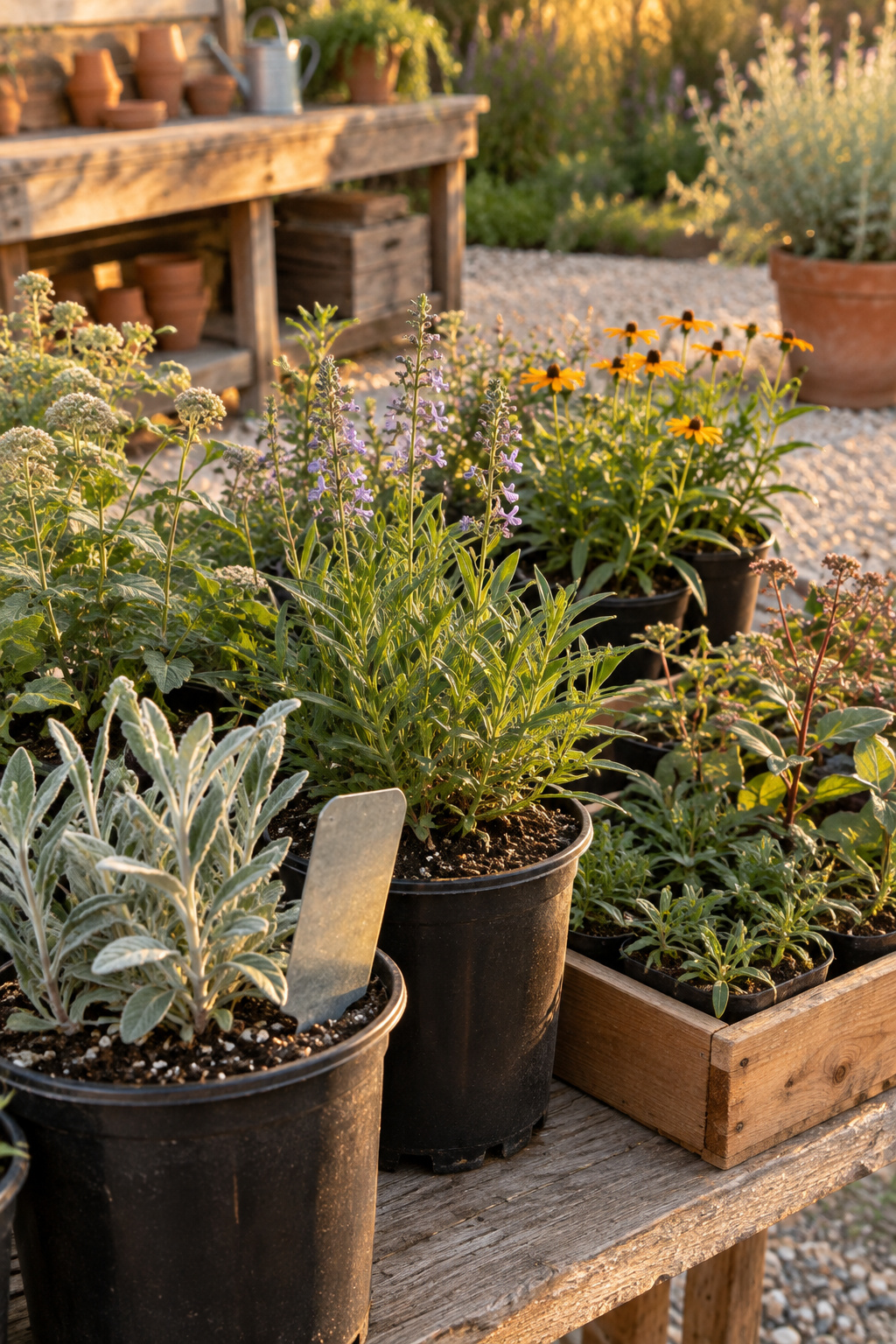
TL;DR
- No US state requires a plant tag to disclose neonicotinoid treatment, and “pollinator-friendly” has no industry-mandated definition. Ask the grower what was applied, and when.
- The last independent testing of retail “bee-friendly” plants is a decade old: 51% contaminated in 2014, 23% in 2016, no comparable retest since.
- Buying well is rarely a premium: one native plant society chapter sale in 2025 listed plugs at $5, potted perennials from $7, seed from $2.
The Sourcing Question That Decides Whether Any of This Works
Every plant at the till involves two decisions: what it is, and how it was grown. Most advice covers the first.
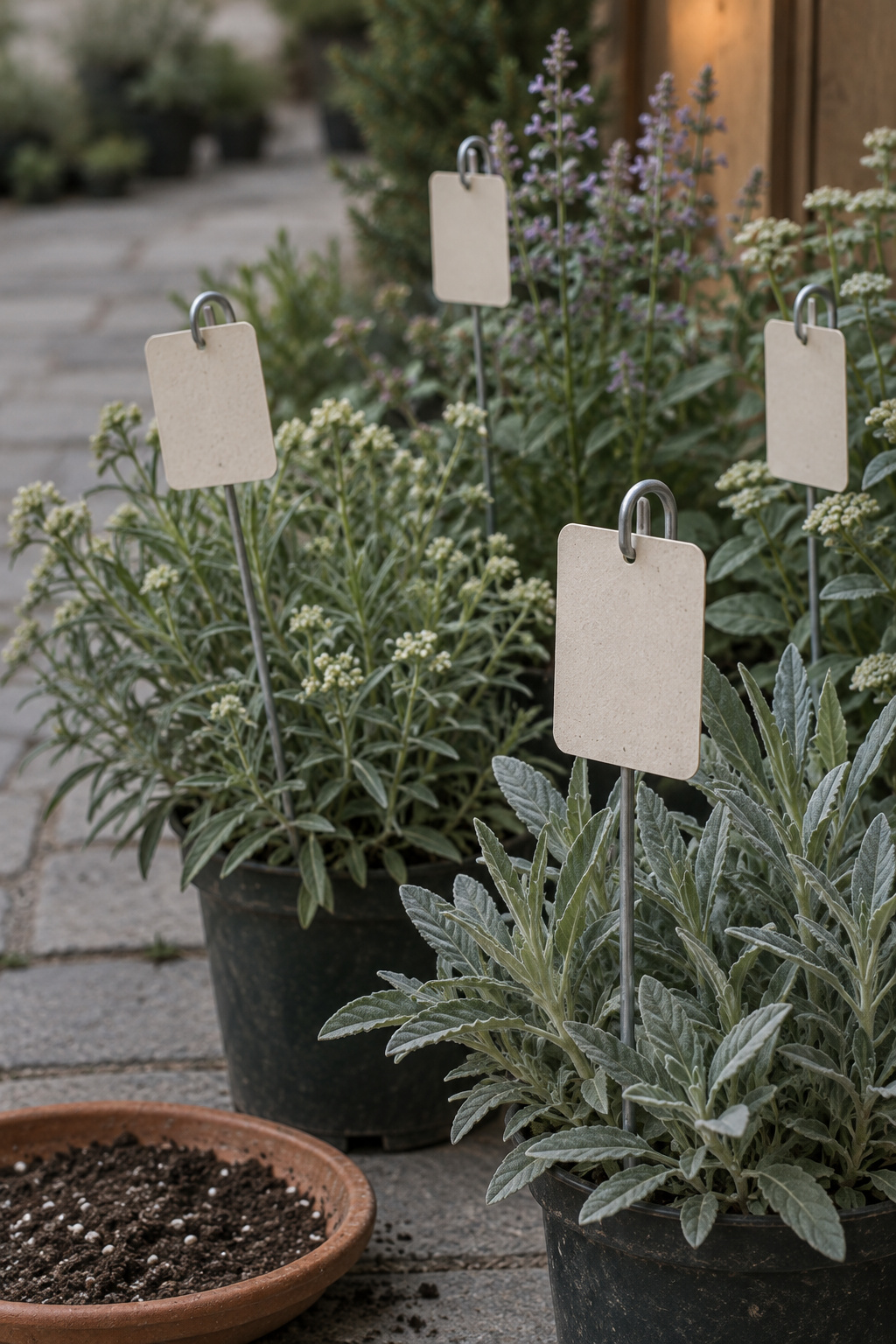
Why the plant tag rarely tells the whole story
The Xerces Society puts it plainly: no industry-mandated definition exists for “pollinator-friendly” on a tag, and the bee icons only tell half the story. A real no-neonicotinoid disclosure is retailer policy, not law. The icon is marketing, and the silence beside it is the part that matters.
Native versus nursery cultivar, stated plainly
A nativar is a cultivar of a native species, bred for a garden trait such as bloom size, colour or disease resistance. It may keep the wildlife value of the wild species, or not. Doubled flowers fail most clearly: extra petals bred in place of reproductive parts, frequently sterile, near-impossible for bees and butterflies to feed from.
The standard this guide uses to judge a source
I ask a supplier two things. First, does it stop insecticide applications at least four weeks before shipping to retail, and does it monitor pests early enough to avoid a systemic rescue treatment? That is Xerces’ own screening question. Second, is this plant’s origin matched to my ecoregion, and not merely “native to North America”? If the bed is still a sketch, settle it with these pollinator garden ideas and bed layouts first.
Why Locally Native Plants for Pollinators Outperform a Bred Cultivar
I photograph rooms in February, early, before the sun has any conviction in it. A room that holds together in that flat grey light holds together in June. Nursery benches stage each plant in its best week. Judge it by a whole year in your ground.
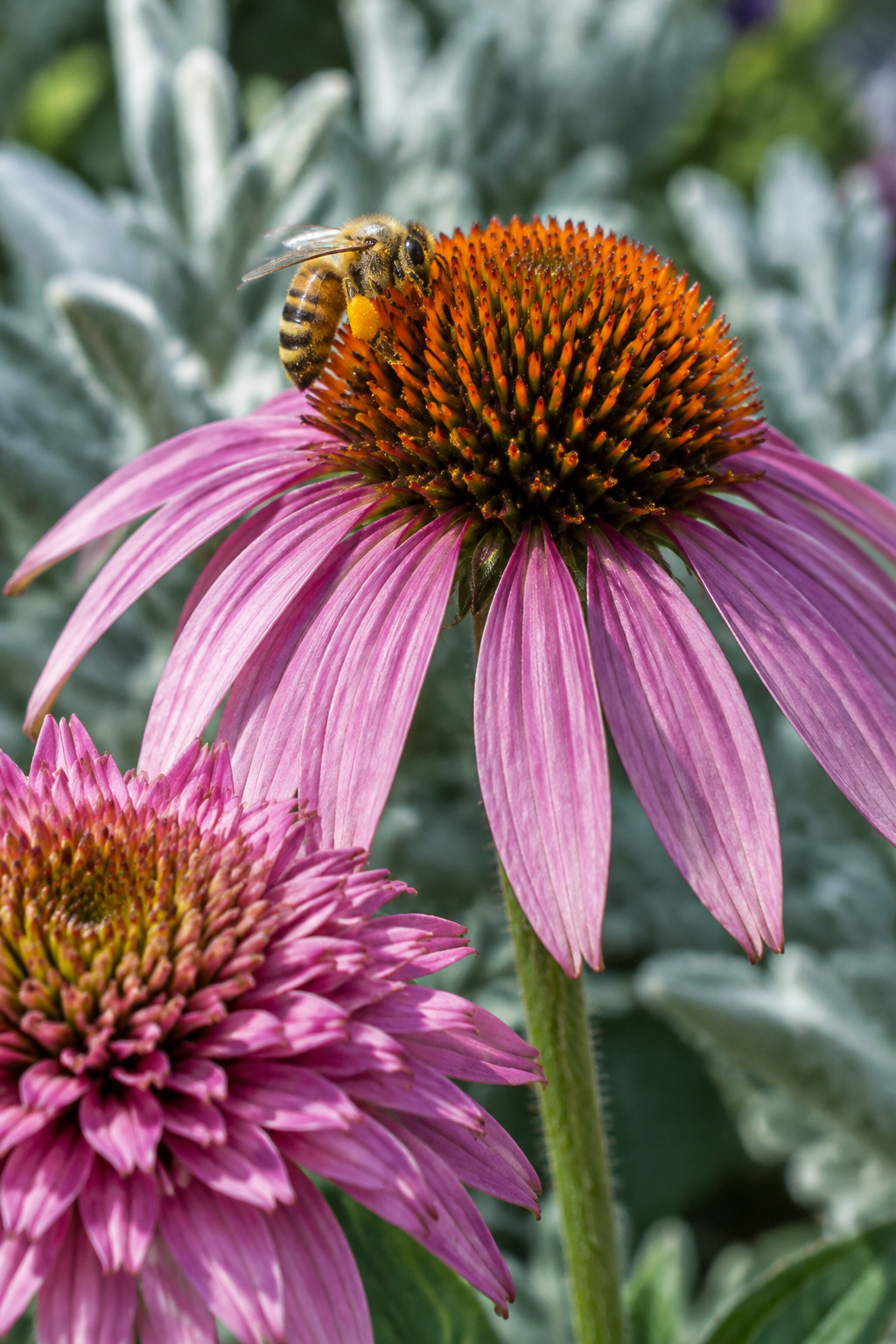
What breeding for bloom size trades away
The trait matters more than the breeding. In field trials of ten woody native species and their cultivars, one trait stood out. Purple, red or blue foliage, bred in with anthocyanins, cut insect feeding three-to-five-fold against the green-leaved straight species. Cultivars bred for disease resistance showed no such drop.
Ecoregion matching versus generic “native”
A species can be native to North America and still fit poorly two ecoregions from its origin. Homegrown National Park publishes a free ecoregion finder that maps a US address to its ecoregion. Izel Native Plants gives the same advice as a seller: buy from the grower closest to you.
One example worth the extra research
Mt. Cuba Center’s trial garden has published visitation numbers for two genera. The phlox cultivar ‘Jeana’ drew 539 butterfly visits against 117 for the next-best performer, and the bee balm cultivar ‘Jacob Cline’ took over 200 more hummingbird visits than the straight species. Wild bergamot’s ‘Claire Grace’ was favoured at Mt. Cuba but underperformed the straight species in a separate Penn State trial, same plant, different regional insects. Such numbers exist for phlox and bee balm, not most genera. Flower structure stays the better guide: open and accessible beats crowded and doubled.
Reading a Plant Tag for What It Doesn’t Say
Two numbers get quoted constantly in this argument, and both are old.
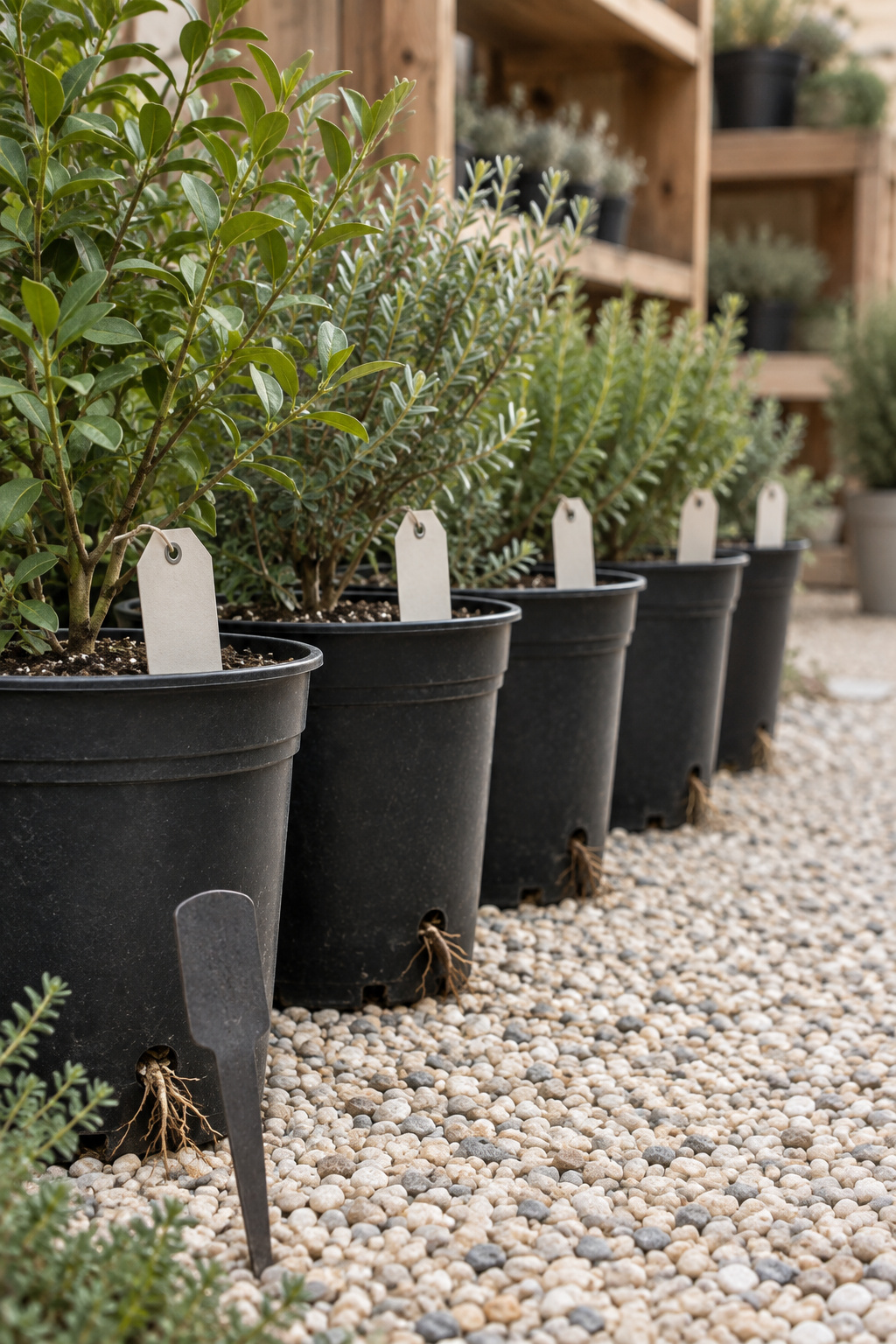
The neonicotinoid question tags never answer
Friends of the Earth sampled 71 plants in 18 US and Canadian cities in 2014, from Home Depot, Lowe’s and Walmart, and found 36 of them, 51%, carrying neonicotinoids. The 2016 follow-up with the Cornucopia Institute added Ace Hardware and True Value and found 23%. Attach those years whenever the figures are repeated, because no comparable independent retest has appeared since. A decade-old number describes a decade-old shelf. Regulation has not closed the gap. EPA’s review of the major neonicotinoids remains open, with proposed interim decisions from 2020 and later ones still listed as anticipated, not final. No US state requires point-of-sale disclosure either. Maryland’s Pollinator Protection Act of 2016, the first of its kind, restricts who may buy and apply these products. It says nothing about what a label must state.
The three questions that get a straight answer at a garden centre
The tag will not answer, so a person has to. Ask staff these three:
- Which suppliers stop insecticide applications four weeks before shipping to retail?
- Which prevent pests without chemicals, rather than treating once an outbreak starts?
- Does this plant’s supplier monitor closely enough to catch problems early?
A grower who answers by product and date is a different conversation from one who says “we don’t spray much.”
Certifications and labels actually worth trusting
A claim and a guarantee differ. This table shows what each line commits someone to.
| Label or claim | What it actually guarantees | The question to ask |
|---|---|---|
| Bee icon or “pollinator-friendly” text | Nothing enforceable; no US standard defines the term | What makes this one pollinator-friendly, and who decided? |
| USDA Certified Organic | Restricted synthetic pesticide use under USDA organic standards | Is this plant certified, or only part of the stock? |
| Store-specific “not treated with neonicotinoids” tag | That retailer’s voluntary policy, not an industry rule | Is it corporate policy, covering the whole shipment? |
| “Neonicotinoid-free” claimed at the counter, no tag | A verbal claim, unverified at the point of sale | Can I see supplier documentation, or the withholding period? |
Trust row two above the rest. USDA Certified Organic carries the only enforceable restriction on synthetic pesticide use, which is why Xerces names it over any icon. Their Native Plant, Seed and Services Directory adds a second layer, filterable by pesticide-use disclosure.
Four Places to Find Genuinely Untreated Native Stock
Work these four routes in order rather than hunting every nursery in the county.
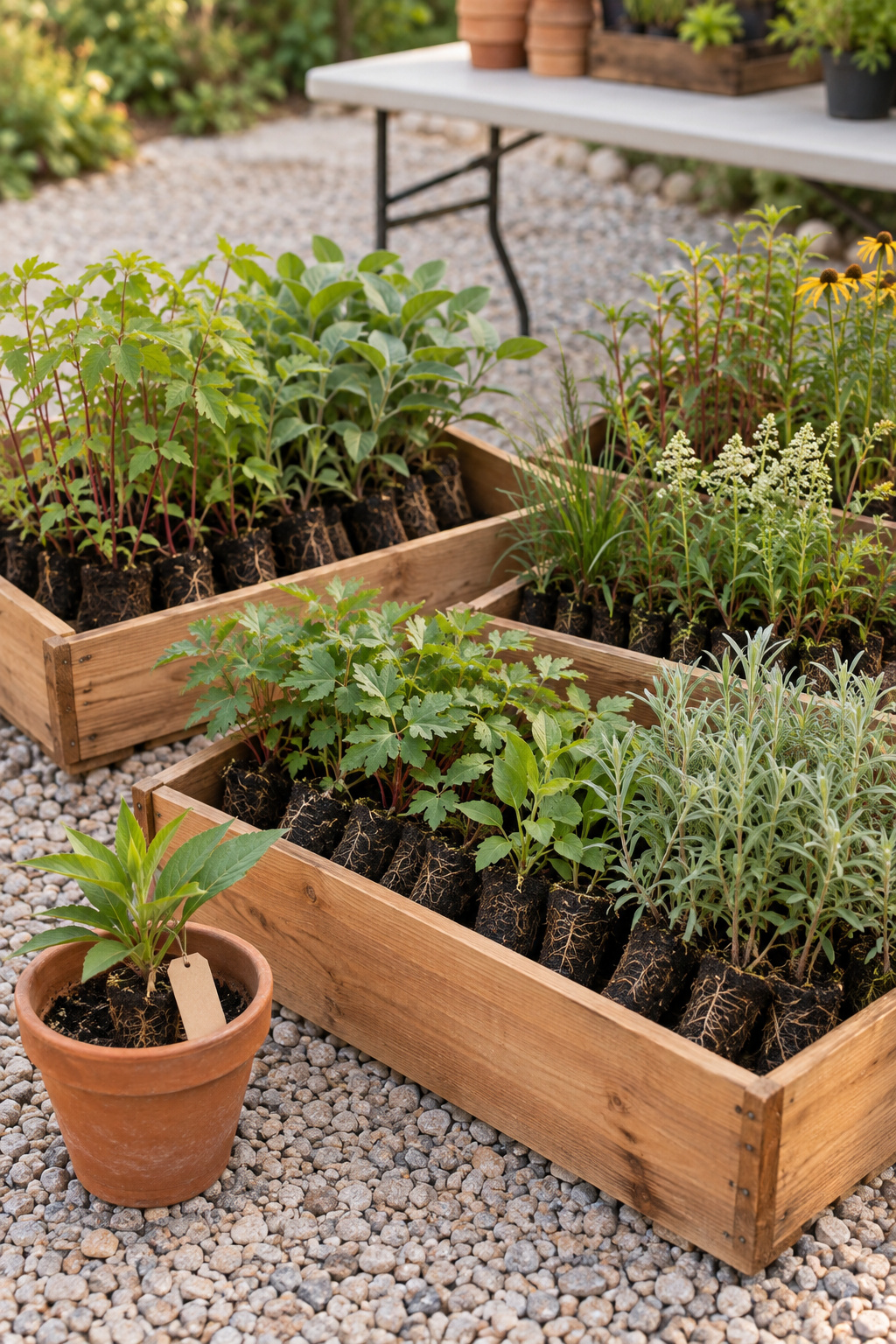
- Native plant society sales — chapter-run, priced for volume planting
- Ecoregion-specific nurseries — regional growers, plus the Izel and Xerces directories
- Seed swaps and extension-run sales — the NANPS exchange, university sales
- Growing from seed yourself — via regional seed organisations
Native plant society sales
State and regional societies run sales as core business: the Native Plant Society of Texas, the Washington Native Plant Society and Virginia chapters all hold annual ones, while Pennsylvania and South Carolina publish standing calendars. Your state society’s calendar is the repeatable first move.
Ecoregion-specific nurseries
Izel Native Plants states that all its plants are nursery propagated, from ethically collected seed or stock, and grown without neonicotinoid treatments. Its network is organised by regional grower. Prairie Moon Nursery shows the single-region model, one specialist rooted in the Midwest prairie.
Seed swaps and local plant sales
The North American Native Plant Society maintains a seed exchange that connects members trading regionally collected seed. Extension services run public sales on the same low-markup logic, such as the University of Minnesota Extension’s annual sale and the Master Gardener sales through North Carolina Cooperative Extension. Diary the dates rather than stumbling on one.
Growing from seed yourself
Grow from seed and the treatment question disappears, because you control every input from germination onward. The cost is patience, since a plug reaches bloom size faster than a seedling. Regional organisations exist for it, like the Wild Seed Project in New England, and the Xerces directory filters seed vendors too.
The Decision Rule for a Skeptical Buyer
Does every plant deserve this much scrutiny? No. Pretending otherwise is how people abandon the exercise.
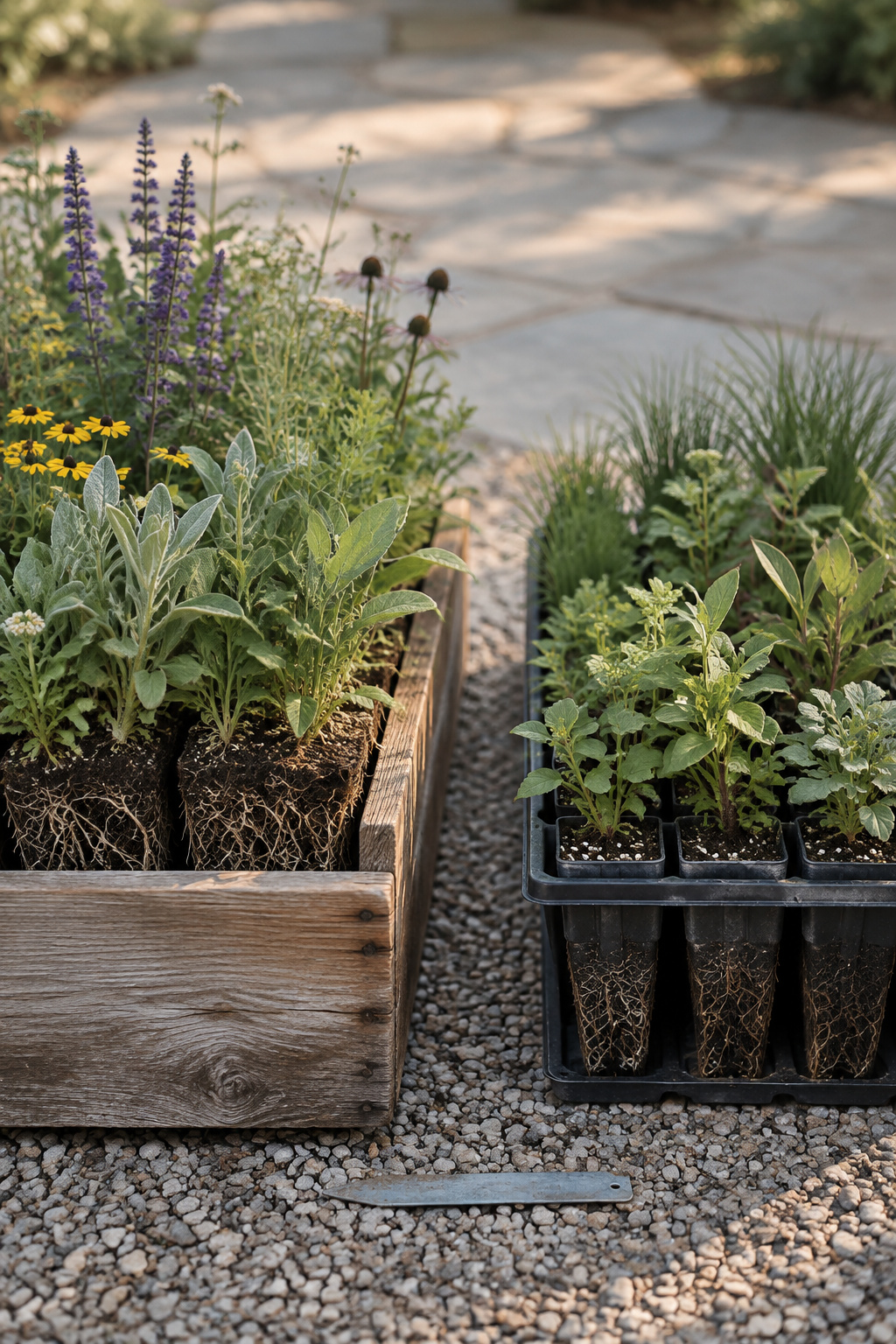
When a big-box plant is still worth buying
Home Depot runs a tagging programme that flags any plant still treated with neonicotinoids, and reported 98% of its plant products neonicotinoid-free as of 2019. That figure is a company self-report, never independently re-verified, and Lowe’s, Ace, True Value and Walmart have no confirmed current figures. Even so, a common straight-species nectar perennial off that shelf is a reasonable buy.
When to walk away and order instead
Walk away when nobody can say what was applied and when. Order ahead for two categories: species where ecoregion origin decides performance, and caterpillar host plants. A treated host plant is the worst outcome available, because it draws adults to lay eggs and then kills what hatches.
Budgeting the extra cost of doing it right
Buying carefully does not automatically cost more. One Virginia chapter’s 2025 sale list, with bare-root plugs at $5, potted perennials from $7 and seed packets from $2, sits at or below common big-box pricing. Those are one sale’s prices, not a market rate, and no market-wide comparison exists. The real premium is timing: fixed dates and orders placed ahead.
Why Sourcing Is Wasted Without the Rest of the Garden
Provenance done right is the first decision, and two others depend on it.
Caterpillars that eat one plant and nothing else
Host-plant specificity is the sharpest proof that origin matters. A caterpillar tied to one native genus gets nothing from a mismatched substitute, however many flowers it carries. Sofia Martinez-Chen’s guide to caterpillars that eat one plant and nothing else pairs the species with the plants they require.
Leaving somewhere for them to nest
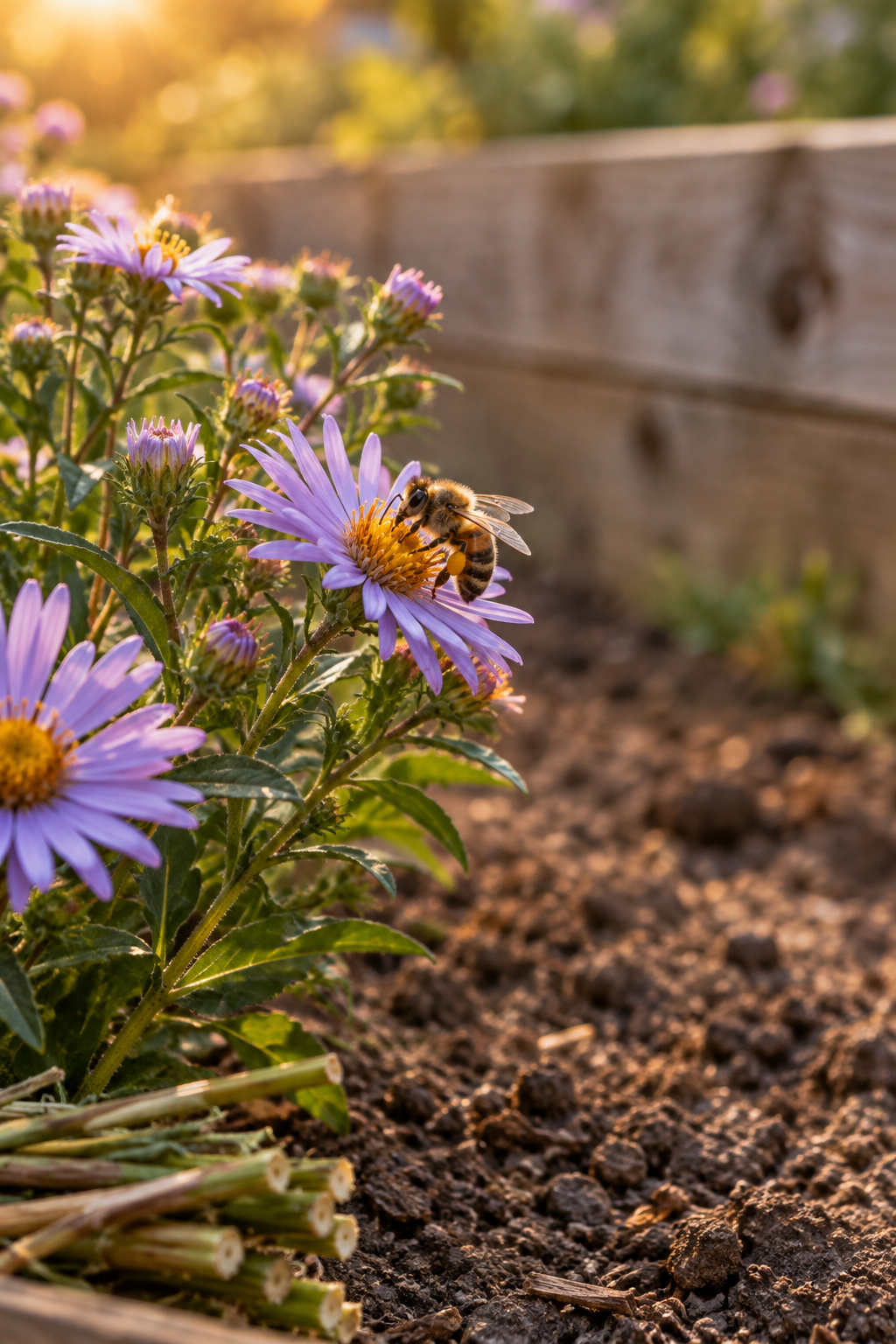
Roughly seven in ten native bee species nest in bare ground rather than hives or boxes. A perfectly sourced bed still fails them if the soil around it stays mulched or tilled. Tess Carver’s piece on leaving somewhere for them to nest covers that side, which is a separate decision and no substitute.
Sourcing is the first decision, not the last
The rule fits in a pocket. Buy from a source that will name what was applied and when. Prefer stock grown near your own ecoregion. Treat an open, undoubled flower as better evidence than any icon. Reserve the mail order for host plants and ecoregion-specific species. Ignore a 2016 statistic quoted as though it described this morning’s shelf. Every later decision assumes the plants are what they claim to be, and now you can tell which ones are.
FAQ
Are plants labeled ‘pollinator-friendly’ at big-box stores safe to buy?
Not on the label alone, because “pollinator-friendly” has no legal or industry-standard definition in the US. Some retailers run real tagging programmes: Home Depot self-reported 98% of its plants neonicotinoid-free in 2019. That is store policy, not an industry guarantee, so ask staff directly.
How much more do native plants cost compared to regular nursery stock?
Often nothing more. One native plant society chapter sale in 2025 listed bare-root plugs at $5, potted perennials from $7 and seed packets from $2, at or below typical nursery pricing. The real cost is timing rather than money: fixed sale dates and orders placed ahead.
Can I improve a nursery cultivar’s value to pollinators, or should I just replace it?
Judge it by the trait bred for. Altered leaf colour cut insect use three-to-five-fold in trials, while disease-resistant cultivars showed no drop, and some cultivars beat the wild type outright. Keep a cultivar with open flowers and unaltered foliage. Replace any with doubled blooms, which block access.