
Ask how big a pollinator bed should be and the answer usually comes back as a feeling. Plant in groups. Give it some sun. Choose natives. Most pollinator garden ideas are written to encourage you, not to be built from, and that gap is why so many first beds look generous in May and stand empty by August.
The numbers do exist. Monarch Watch says a habitat planting functions best at 100 square feet or more, on a site taking at least six hours of direct sun a day. The clustering rule has a shape too: three plants of one species inside a three-foot area, scaling to five across five feet as the bed matures. The National Wildlife Federation sets the bloom minimum at three nectar varieties in each of spring, summer and autumn, which means three per season and not three altogether.
None of this is hidden. It just never turns up in the same place as the encouragement. So here is the whole picture in one sitting: how to site the bed, size it and layer it, and which of the remaining decisions to hand to which specialist once the ground is settled.
Pollinator Garden Ideas Start With Siting, Sizing and Layering
I learned that order the wet way. My landscape-design years were spent in Portland, where the sky does most of the deciding. With nine months of rain, a handsome planting plan can drown in its first winter, so you stop starting with plants. You start with where the water goes, where the sun lands at six in the evening, and what the ground does in February. Drainage first, decoration second. A pollinator bed follows the same sequence, because the site sets a hard ceiling on everything you plant into it.
How much sun and space you actually need (the 3x3x3 method)
Sun is the first gate, and it disqualifies more beds than any plant list does. Monarch Watch’s Waystation guidance asks for six or more hours of direct sun daily and a planting of at least 100 square feet, the point where it says a garden starts to function properly. Below that you have a nice border, not working habitat.
Six hours means six hours of sun actually reaching the plants, in July, with the trees in full leaf. Measure in the season the bed has to work, not in April while the canopy is still bare. And 100 square feet is a guideline, not a gate. There is no hard minimum to register a Waystation, and two smaller beds in the same yard count toward the same total. A ten-by-ten patch gives you the picture.
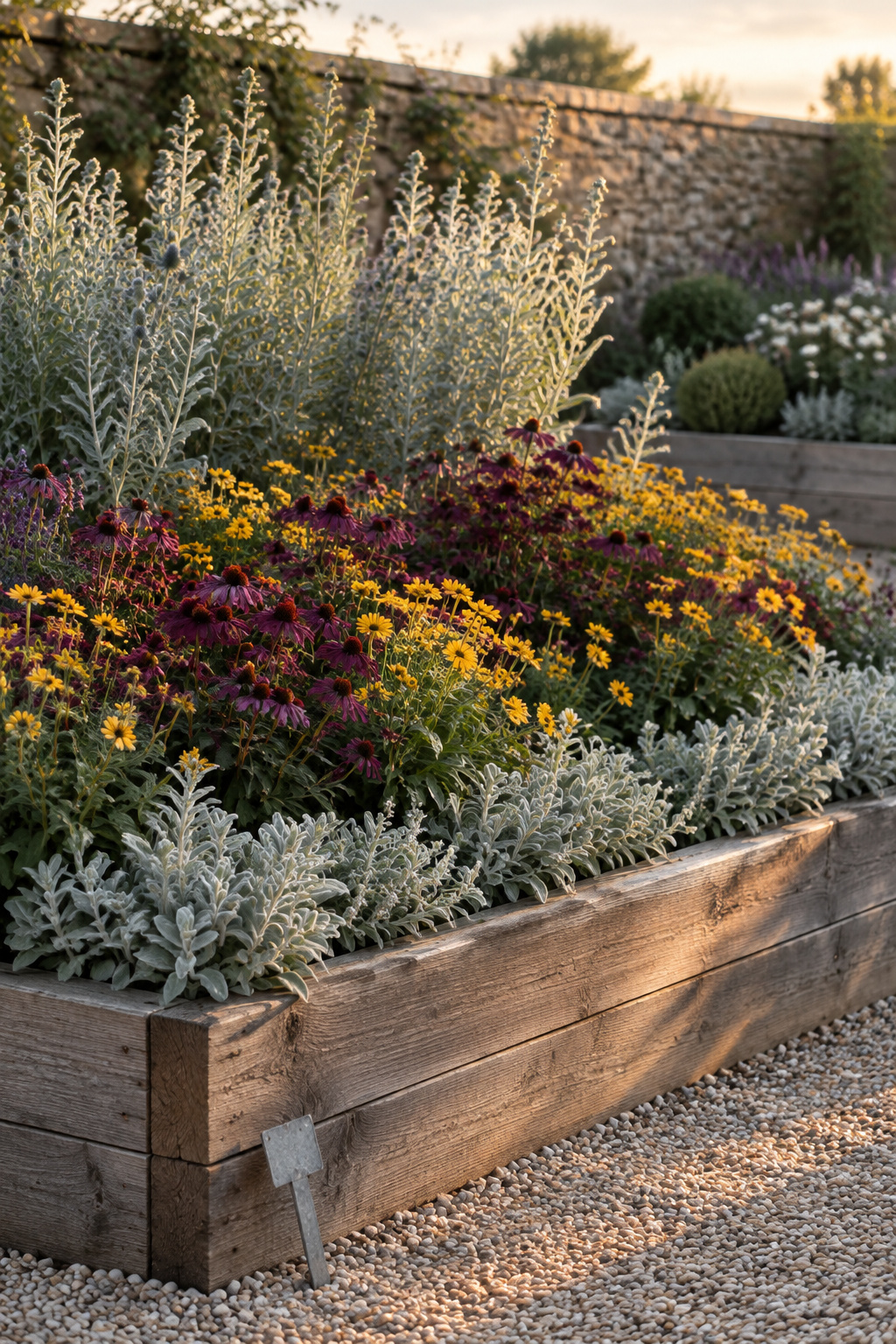
Spacing is the second gate. The 3x3x3 method groups three plants of one species within a three-foot area, so foragers work a patch instead of hunting singletons. As the bed matures the same ratio scales: five plants across five feet, seven across seven. Keep to the footage, though. Clusters packed tighter than the method calls for grow into each other, which spreads disease and stunts everything involved.
| Specification | The number to build to | Where it comes from |
|---|---|---|
| Direct sun | 6+ hours per day | Monarch Watch Waystation guidance |
| Bed area | 100 sq ft or more | Waystation “functions best” threshold |
| Cluster, new bed | 3 plants of one species per 3 ft | 3x3x3 planting method |
| Cluster, mature bed | 5 plants per 5 ft; 7 per 7 ft | 3x3x3 method, scaled |
| Milkweed count | 10+ plants across 2+ species | Waystation requirement |
| Nectar variety | 3+ varieties blooming in each season | National Wildlife Federation |
Layering the bed like an outdoor room — back, middle, front
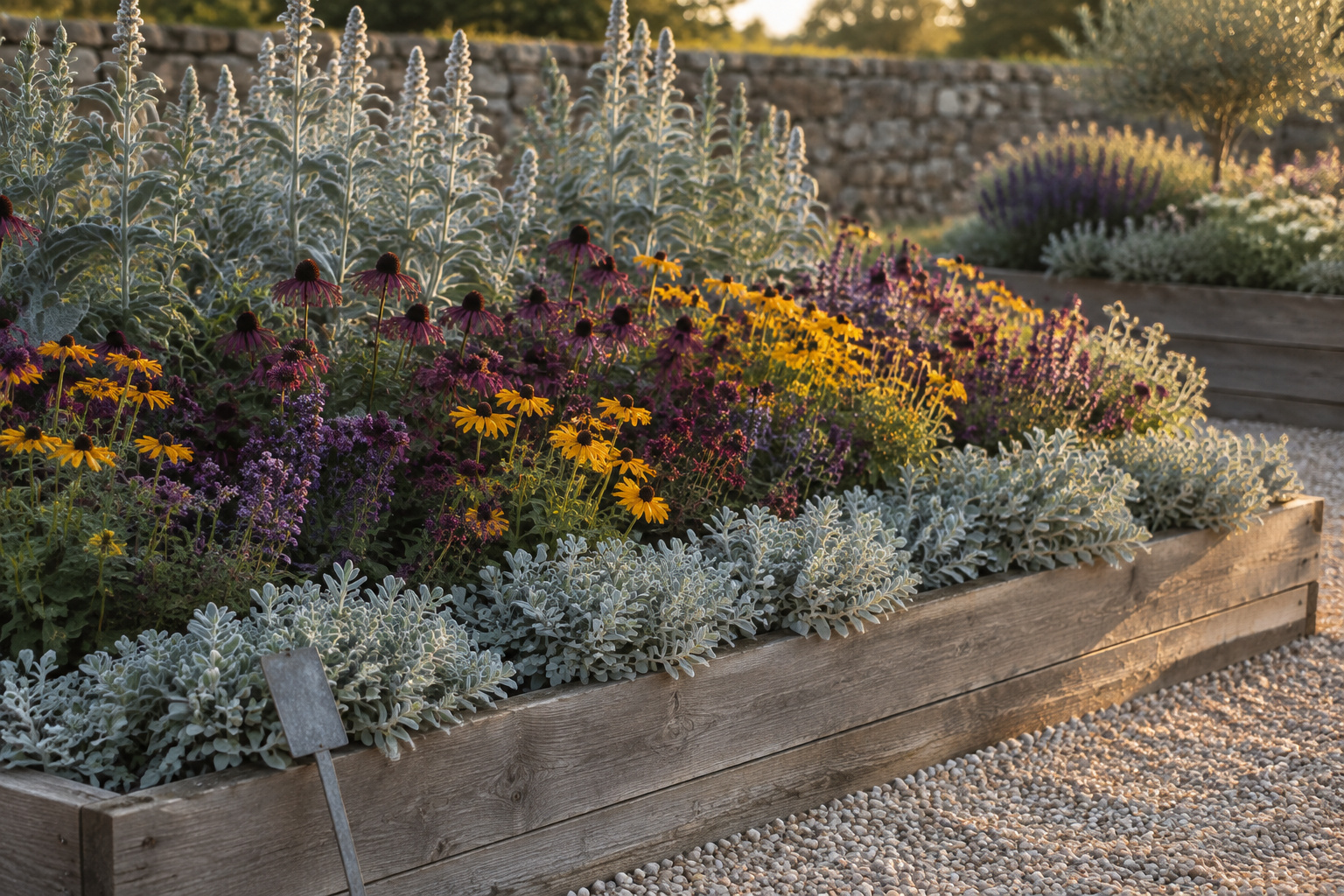
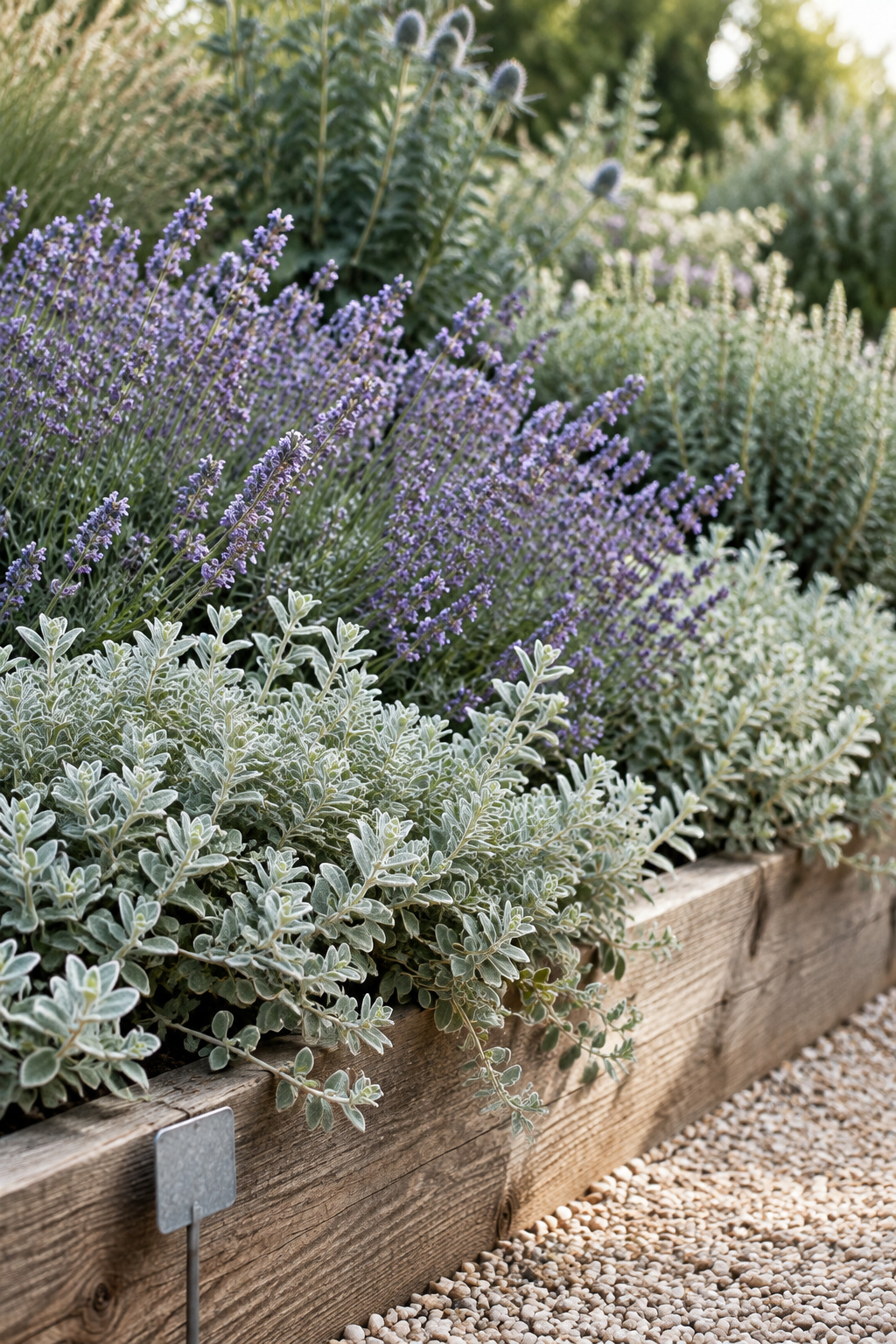
Think of the bed in section, not in plan. The tall planting at the back is the wall. The massed mid-height drift is the furniture, the part you look at from the seat. The low silvery edge at the front is the trim that keeps everything out of the path. That framing is mine and no published horticultural standard, but it decides more than plant choice does.
Cluster size is what makes the tiers legible. Seven plants across seven feet at the back builds a wall, and the original three-foot cluster mid-bed builds furniture. One method, scaled differently, gives you the room.
Then decide where the room is viewed from, because that reverses the tiers. A bed against a fence has one audience and one direction, so the tall planting goes at the back and stays there. An island bed crossed on two sides wants the tall material through the middle, with the low edge running both ways. A bed you look at from a patio chair in the evening should be arranged for that seat first, since the sightline you use four nights a week beats the one you use walking to the car. Work out where you will stand, then plant the tiers to face it.
Why beds that look great in May go bare by August
A bed bought in one Saturday trip peaks together and quits together, because everything on the trolley was flowering that week. It can clear a plant-count minimum and still miss the diversity intent behind it. Design for August instead of the catalog photograph in May, and the whole thing changes shape.
That reordering has a maintenance consequence people rarely price in. A bed planted for August looks thin in its first spring and needs to be left alone anyway, because the gaps are where next year’s late bloomers go. The work is one afternoon of adding species each spring for two or three seasons, with no heroic weekend and no replacement plants after. The fix is scheduling, which the next few sections take apart in order.
Container Pollinator Gardens for Small Spaces
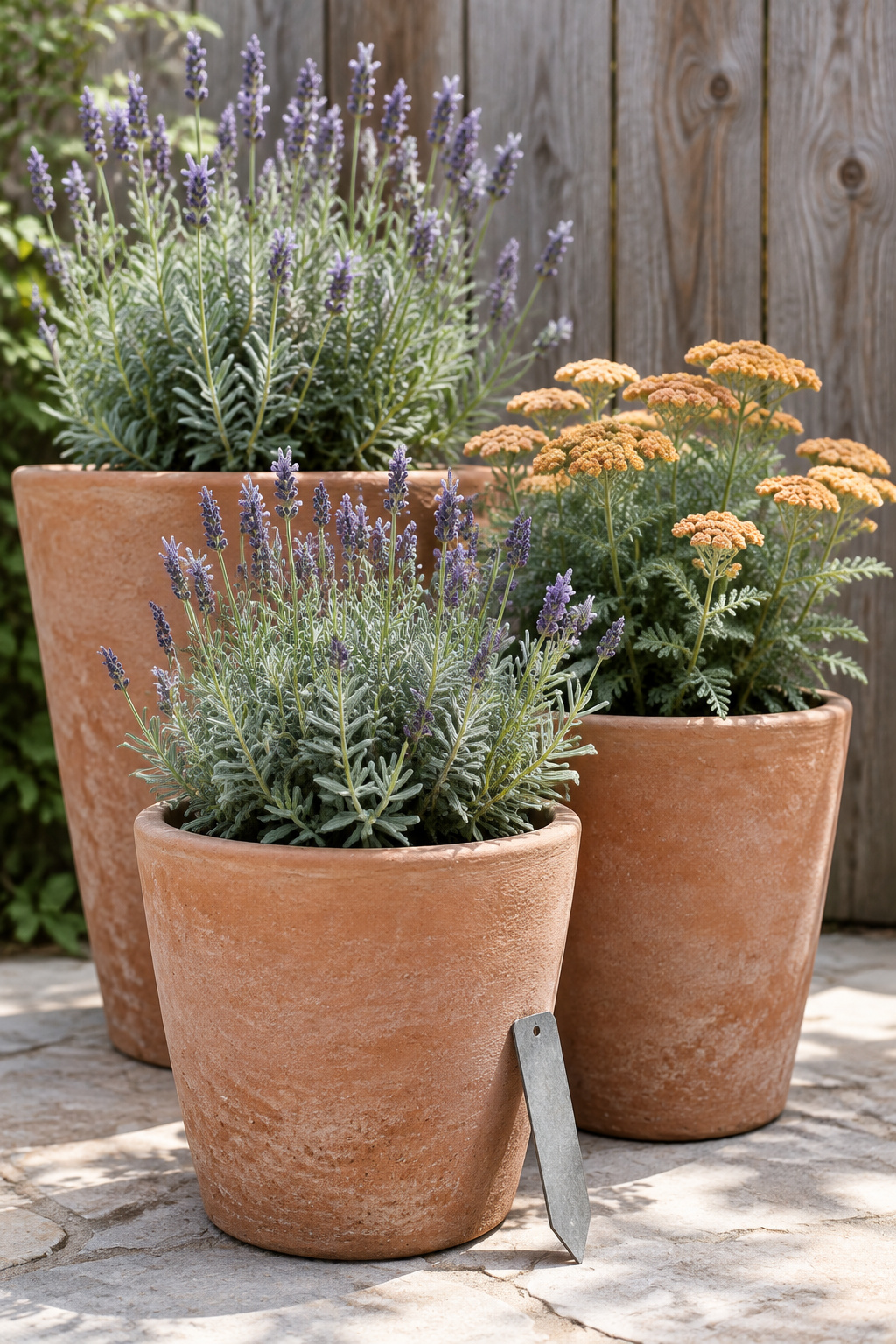
Container mix swings as much as 30 degrees Fahrenheit between day and night, far beyond anything an in-ground bed puts a root through. That one number explains most of what goes wrong on a balcony.
What a balcony or patio grouping needs to survive August
Small pots and metal pots in full sun make the swing worse, and the practical answer is insulation: double-potting an inner container inside an outer one. Unglazed terracotta has its own seasonal truth. Absorbed moisture freezes and cracks the pot, so it should not overwinter outdoors with wet soil still in it.
Soil volume over pot diameter
The number printed on a pot describes the rim, not the root zone. Depth and volume keep a nectar perennial alive through a hot August, and diameter alone tells you very little. Buy the pot by the gallons it holds.
Where this hands off if you have no ground to plant in
Every specification in this article assumes ground. Without any, the sizing rules change completely, and Tess Carver’s guide to pollinator planting in containers carries the pot volumes, the grouping plan and the overwintering method in full. One connection is worth carrying with you. A container gardener buys every single plant and raises none from seed, which raises the stakes on where those plants came from.
Building a Bloom Calendar That Never Goes Blank
The most common mistake in this category costs nothing to avoid and gets made almost universally.
Why buying everything in flower the same weekend backfires
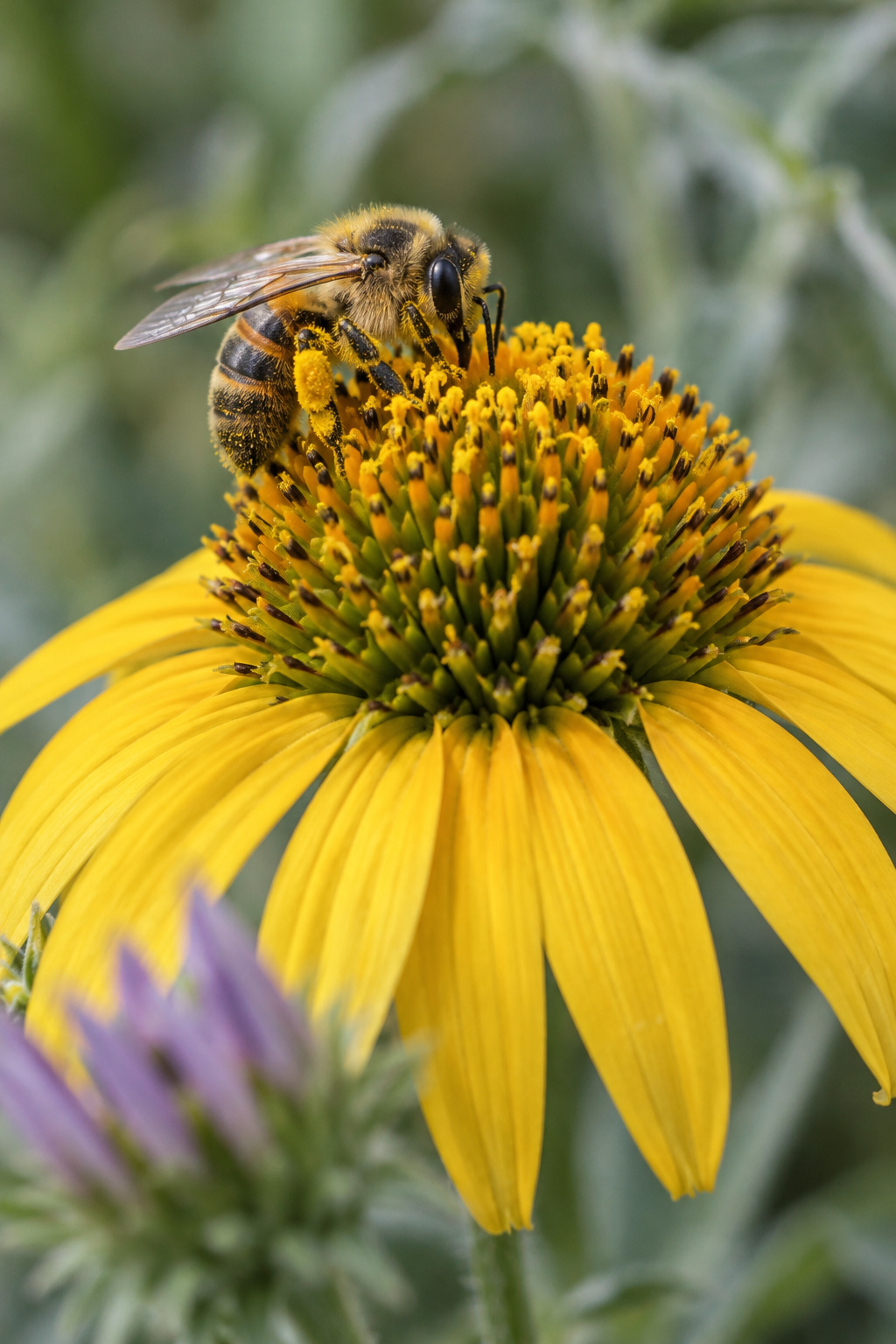
Nursery benches carry whatever is showy that week. Shop once and you buy a single moment in the growing year, then repeat it. The National Wildlife Federation frames the counter-standard as three nectar varieties blooming in each of spring, summer and autumn, with milkweed specifically included in the summer group for egg-laying monarchs.
The early-spring and late-autumn shoulders that matter most
The shoulders carry more weight than the peak. Summer more or less plants itself, because the trade is built around that season. March and October are where a bed either feeds something or doesn’t, and a one-trip planting skips exactly those windows.
Where the full month-by-month calendar lives
Sequencing is a scheduling job and not a shopping job, and it deserves a calendar rather than a paragraph. The companion guide to plants that bloom all season sets out the species by bloom window, month by month, with the zone ranges that shift those months for your own garden.
Keeping a Wild-Looking Bed HOA and Neighbor Friendly
A front-yard bed answers to two audiences at once: the insects it’s built for, and every neighbour who walks past it in September and forms an opinion in about a second.
The legibility cues that read as deliberate from the street
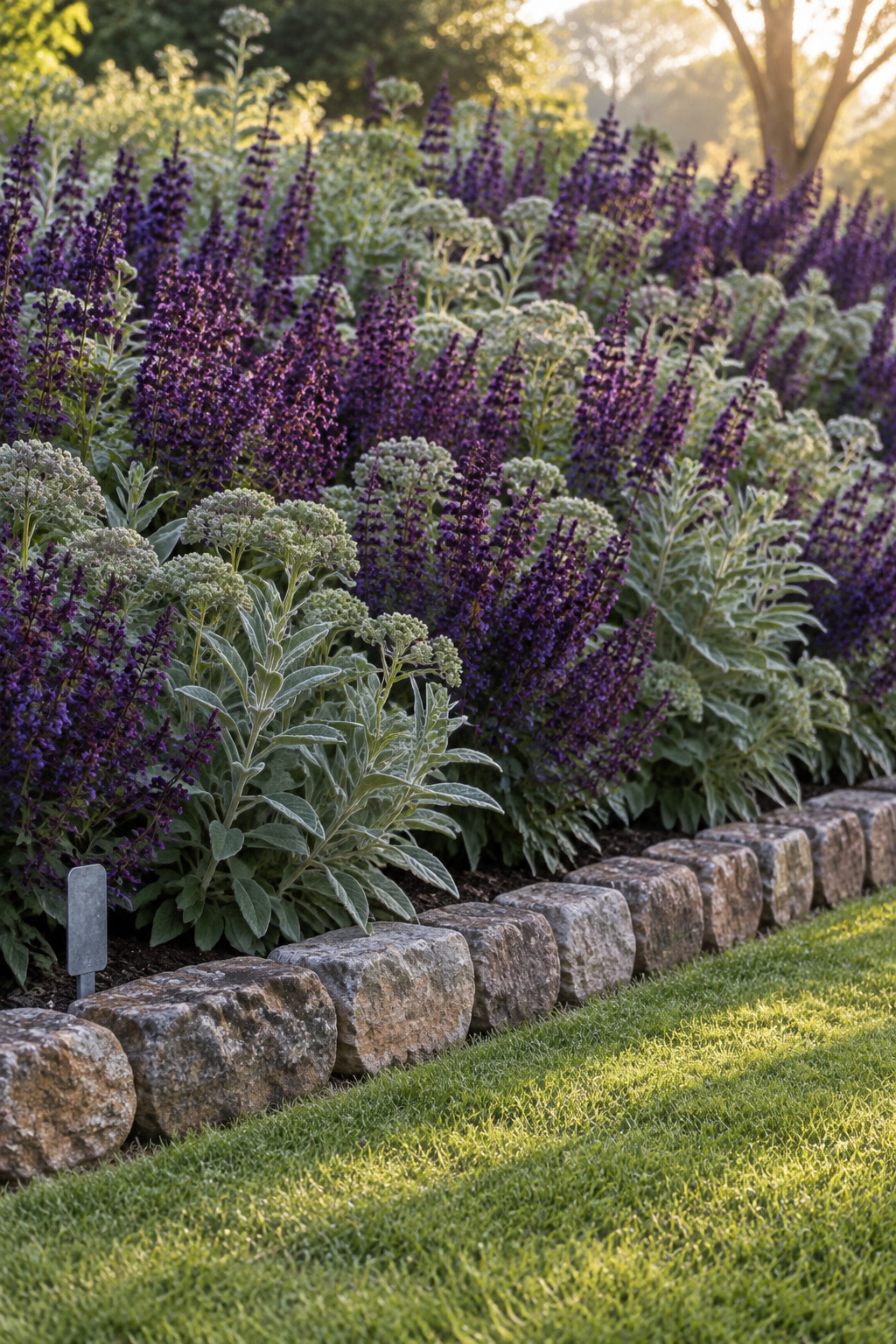
Two cues do most of the work, and neither involves changing a single species. The first is a crisp edge, whether a mown strip, a path or a hard border along the front. The second is repeated massing: the same species clustered and repeated, rather than one of everything scattered through the bed. Nobody can identify a plant from the pavement, but anyone can see whether a line has been held.
What covenants can and can’t actually enforce
At least ten states now limit an association’s power to ban this kind of planting, but the protections differ. Illinois, Maryland and Washington name native or pollinator planting directly. Texas, California, Florida, Colorado, Nevada and Utah protect the narrower category of water-conservation and xeriscape landscaping. In either group the protection covers what you may plant. It does not cover how tidy the bed has to look, which associations generally keep the right to govern.
Where the full approval-request playbook lives
Wording a request that gets approved is a separate skill from planting the bed, and the statutory detail deserves the space. The guide to keeping a front-yard bed HOA-friendly works through all of it: edge options, height ceilings at the setback, and the covenant language to read before you dig.
Feeding Caterpillars, Not Just Butterflies
A garden stocked entirely with nectar flowers feeds adult butterflies and raises none. That is the biggest structural gap in the way these beds get planned.
Nectar plants feed adults, host plants feed caterpillars
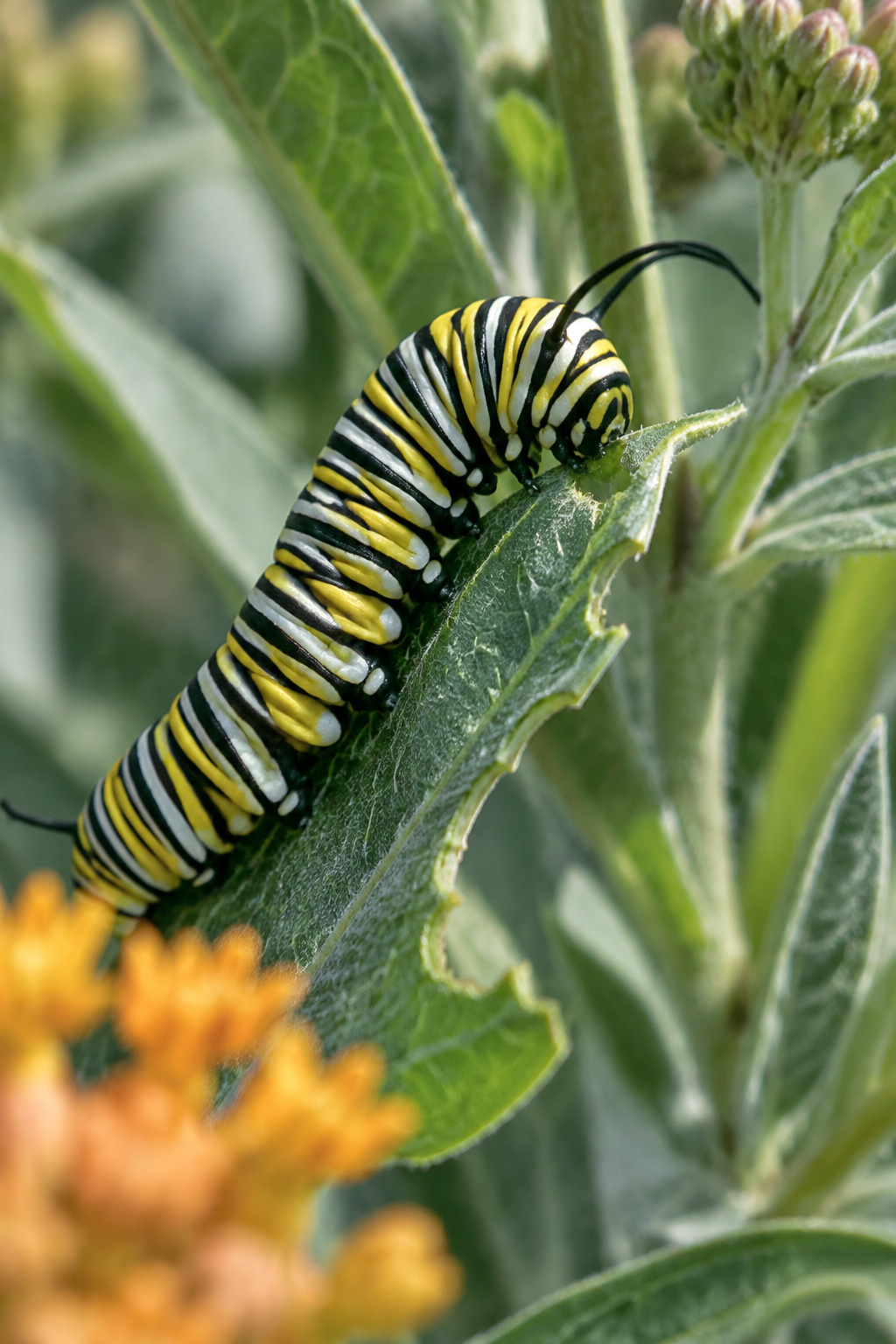
Adults drink from many flowers. Their caterpillars can’t. Monarch larvae eat milkweed and nothing else, so the species cannot reproduce anywhere milkweed is absent, however generous the nectar planting looks. More than 100 milkweed species are native to North and Central America, though only a handful (common, swamp, butterflyweed and showy) are both widely native and easy to buy.
Why most butterfly gardens skip the second half
Habitat loss to housing and agriculture stripped milkweed out of the landscape, and monarch numbers have fallen by more than 90% in recent years. In December 2024 the US Fish and Wildlife Service proposed listing the migratory monarch as threatened. A nectar-only bed feeds the adults passing through and produces no next generation at all. The chewed leaves people reach for a spray to fix are the receipt that it worked.
Where the full host-plant pairing table lives
Monarch and milkweed is one pairing out of dozens. Sofia Martinez-Chen’s guide to butterfly host plants pairs the common backyard species with the plants their caterpillars require, including several you may already be growing in the herb bed.
Nesting, Bare Soil and the Overwintering Half of the Job
Roughly 70% of native bee species nest underground, digging their own tunnels with mandibles and saliva. They will never touch a box on a fence.
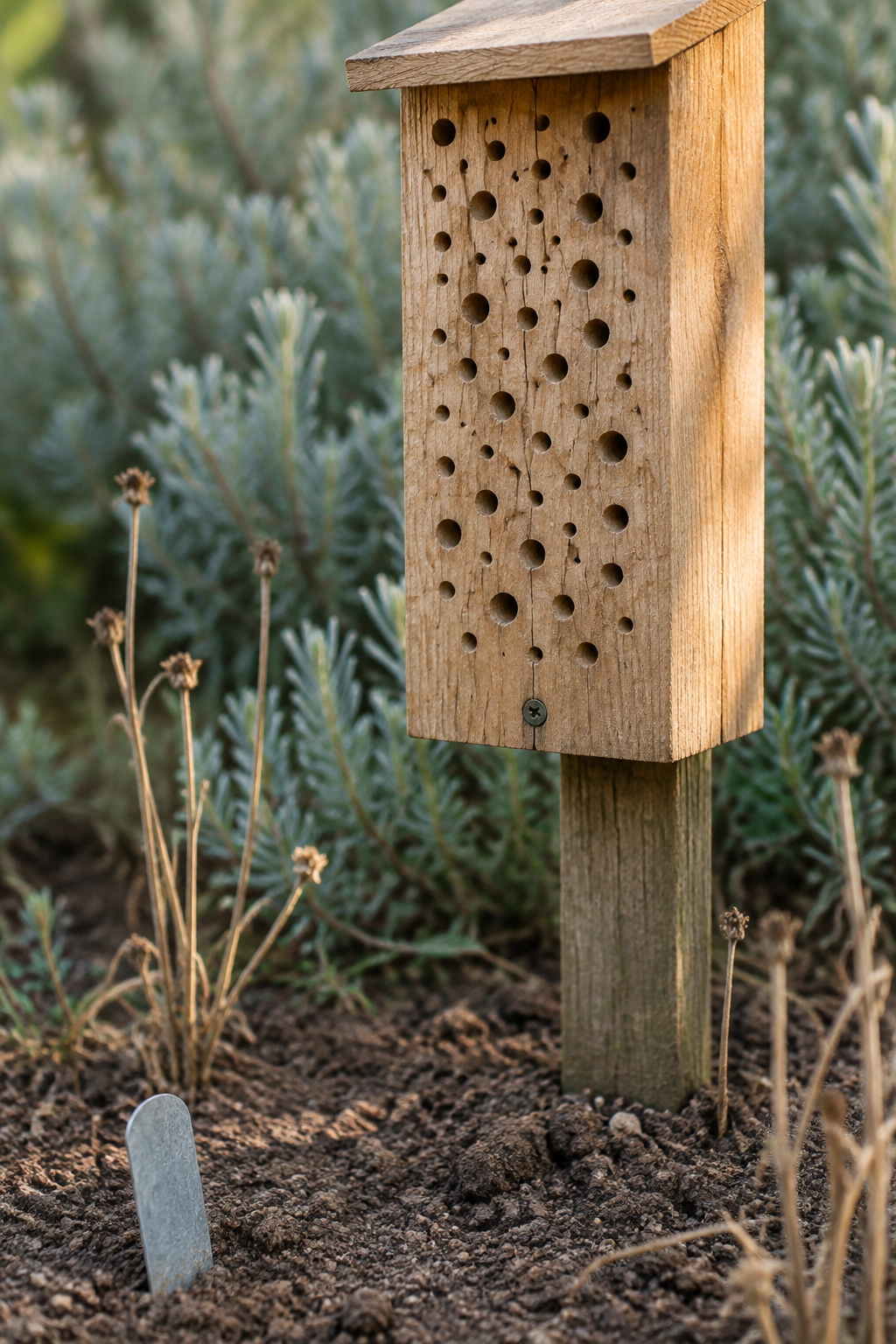
The 70 percent of native bees that never see a hive
The United States is home to more than 4,000 native bee species, and the large majority get nothing from a hung bee hotel. The stakes are real: NatureServe puts 22.6% of assessed native North American pollinators at elevated extinction risk, rising to 34.7% among native bees specifically, with leafcutter and digger bees among the most imperilled groups.
Bare soil, standing stems and leaf litter at a glance
Three things turn a flower bed into actual habitat, and all three are subtractions, not purchases.
- Bare soil — a sunny, undisturbed patch left unmulched, because routine mulching is precisely what shuts ground nesting off.
- Standing stems — hollow and pithy stems left up over winter for cavity nesters, rather than cut flush in autumn.
- Leaf litter — a layer left under shrubs instead of bagged, which is where a great deal of the garden overwinters.
Each one costs nothing, and a tidy afternoon in October undoes it.
Where the full nesting-block build lives
If you do build a block, work to the Xerces Society specification: holes between 3/32 and 3/8 inch in diameter, drilled 3 to 4 inches deep under a quarter inch and 5 to 6 inches deep at a quarter inch and over. Tess Carver’s guide to nesting and overwintering habitat has the drill-by-drill build, the cleaning schedule and the spring cutback timing.
Extending the Garden Into the Evening for Moths
Almost every bed in this article is designed for an audience that clocks off at sunset. A second shift works after dark, and it goes largely unplanned for.
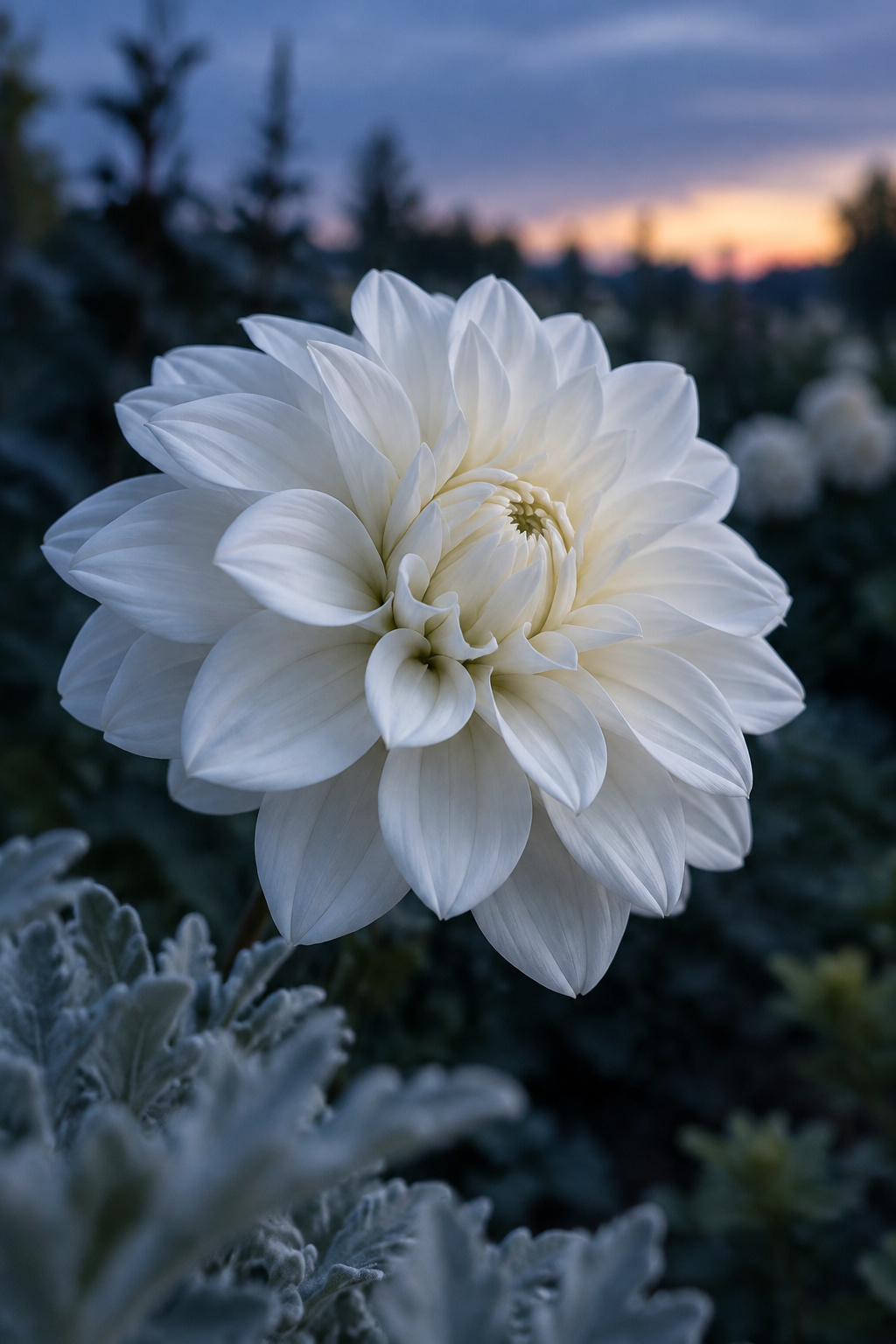
The night shift most daylight-focused beds ignore
Night-flying moths work the same garden after dark, and both the US Fish and Wildlife Service and the Chicago Botanic Garden treat planting for them as a real design category rather than a novelty. Their guidance is qualitative, though. The design sources tell you what to plant and not how much of the work moths are doing. The entomology that answers that sits in the evening-garden guide below.
What a moon garden adds beyond nectar count
The palette is the mechanism. White, cream, pale pink and pale lavender blooms stay visible after sunset and hold what light is left, where saturated daytime colours simply disappear. Add evening fragrance and the bed does something no daytime planting can: it stays legible in the hours you are most likely to be sitting outside.
Where the full sensory brief lives
Scent placement, seating and the case for leaving that corner unlit all belong together. Aisha Patel’s guide to moon garden plants for night pollinators covers what opens at dusk, and where to sit so it reaches you.
Sourcing Plants That Won’t Poison What They Attract
Two test results have shaped this whole conversation, and both are older than most people assume.
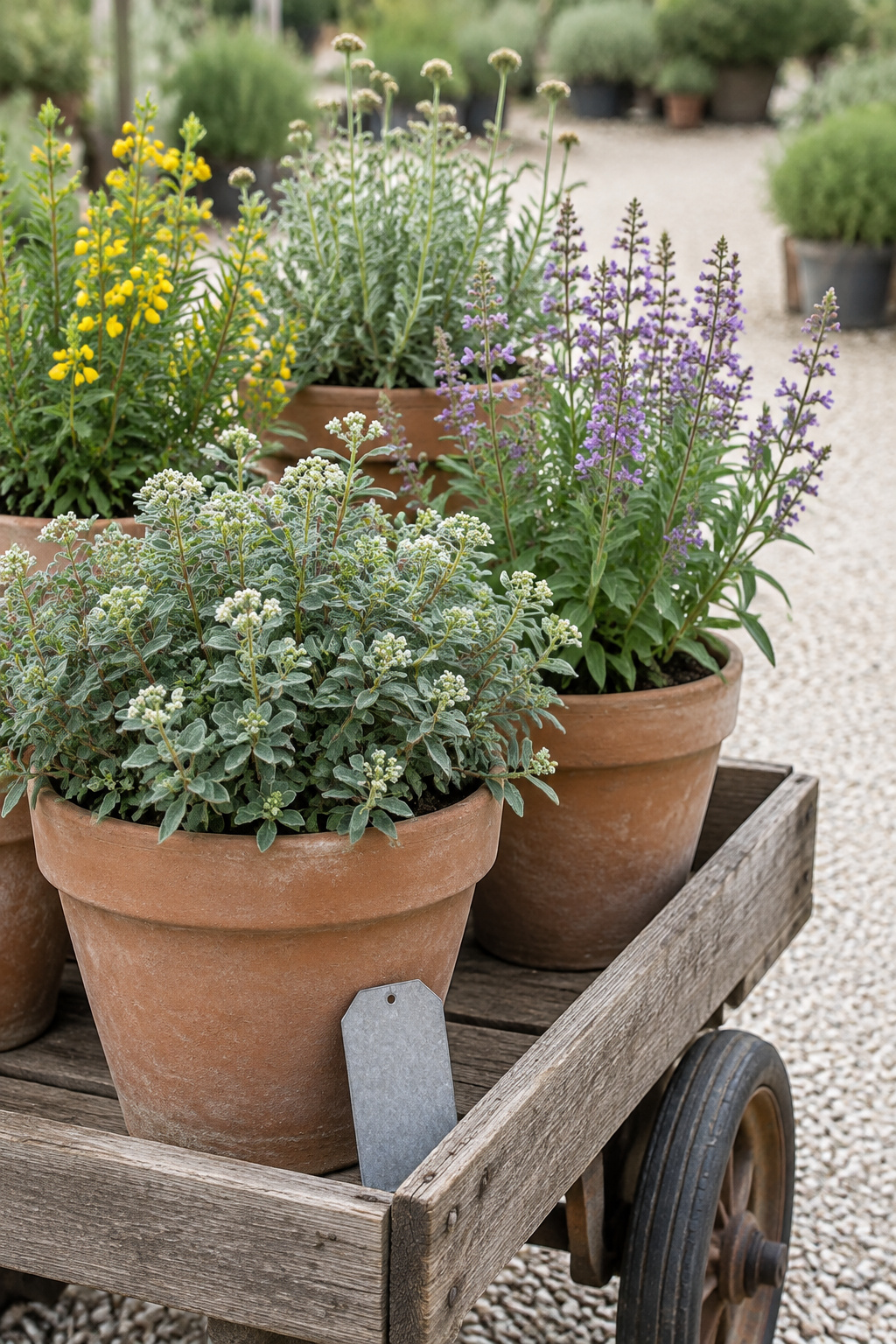
Why a plant tag rarely tells the whole story
A plant tag lists the cultivar, the light preference and the mature size. It essentially never says whether a systemic neonicotinoid insecticide was applied to the plant before it left the greenhouse. The icon on the front is marketing, and the silence underneath it decides whether the plant helps.
The neonicotinoid problem mainstream advice skips
In 2014, Friends of the Earth tested 71 “bee-friendly” plants bought at Home Depot, Lowe’s and Walmart across 18 US and Canadian cities. 51% came back positive for neonicotinoids, and 40% of the contaminated samples carried two or more. A 2016 follow-up put the rate at 23%, real improvement and still roughly one plant in four. Attach the years whenever you repeat either figure, because no comparable independent retest has been published since. Neither number describes today’s shelves. They describe the last time anyone checked.
Where the full sourcing guide lives
The fix is a conversation at the counter and a shortlist of growers worth ordering from. Henrik Larsson’s guide to sourcing native plants for pollinators sets out the three questions that get a straight answer from a garden centre, plus the ecoregion nurseries and society sales that sidestep the problem.
Turning a Finished Bed Into a Certified Habitat
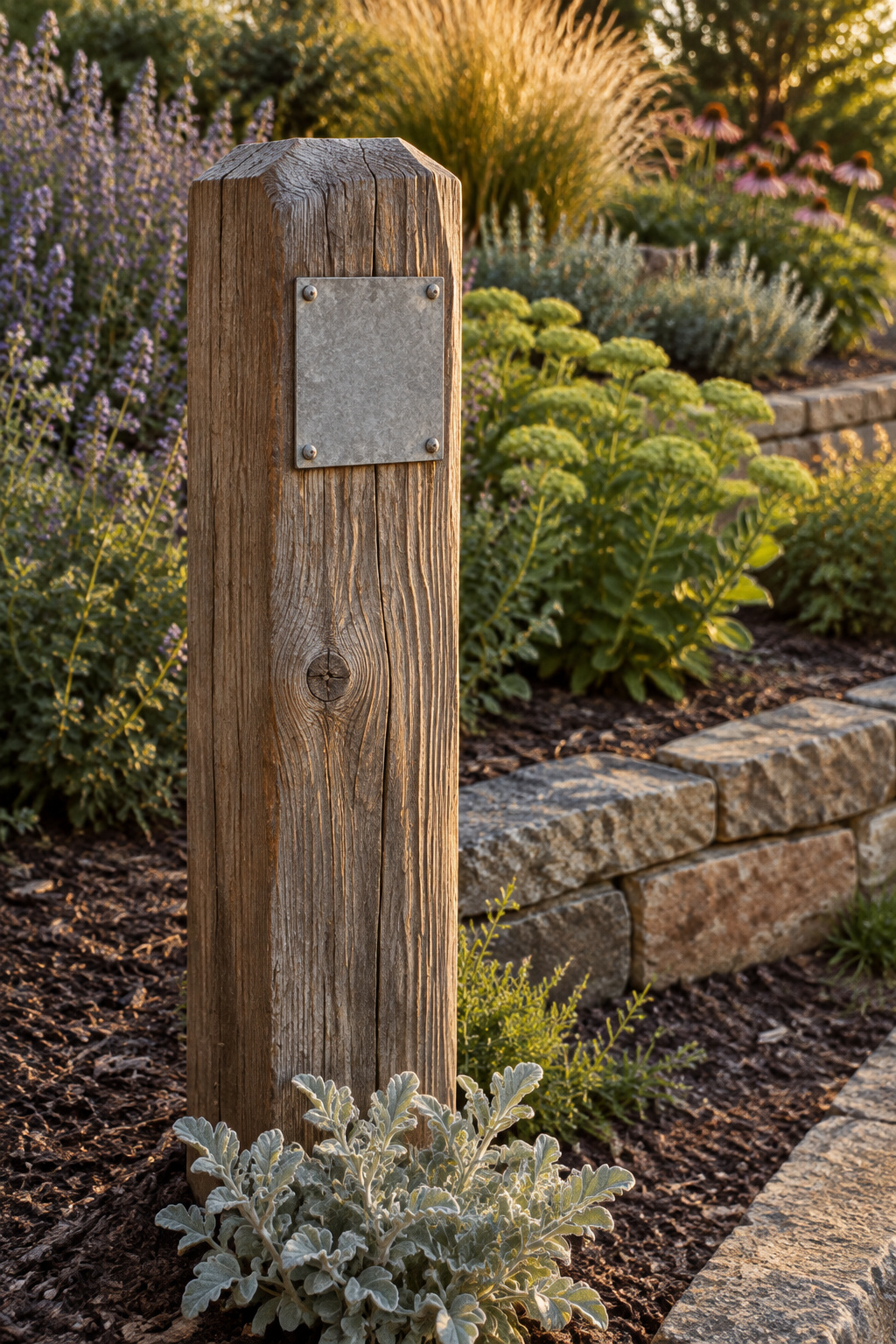
For a front-facing planting, registering the bed is worth doing, less for the paperwork than for the small metal sign that comes with it.
The three routes at a glance
Three programs cover almost every household case, and they ask for genuinely different evidence.
- Monarch Waystation (Monarch Watch) — $18; at least 10 milkweed plants across two or more species, six-plus hours of sun, 100 square feet as guidance.
- Certified Wildlife Habitat (National Wildlife Federation) — $25, waived for schools; three food sources, one water, two cover, two places to raise young, plus three sustainable practices including at least 70% native, neonicotinoid-free plants.
- Pollinator Protection Pledge (Xerces Society) — free; four commitments rather than plant counts, with no certificate issued.
A bed built to the specifications above already clears more of those boxes than its owner expects.
Why the sign matters as much as the paperwork
Certification changes no ecology whatsoever. It changes how the bed is read from the pavement, which is the problem the front-yard section opened with. A recognised marker at the front of an unmown drift answers the neighbour’s question before they think to ask it, and it is the cheapest piece of hardware in the entire project.
Where the full comparison lives
Fees, sign options, processing times and which program suits which yard sit side by side in the guide to certifying the garden as wildlife habitat, including the requirement most applications fail on.
So the shape of the job is settled. Site for six hours of sun and give it 100 square feet if the yard allows. Cluster three of one species inside three feet, scaling to five and seven toward the back. Layer it like a room: wall, furniture, trim. Fill three nectar varieties into each of the three seasons, in place of one glorious May. Leave a bare patch, leave the stems standing, leave the leaves. Then ask where the plants were grown before any of it goes in the ground.
Two things quietly undo the rest: buying the whole bed on one flowering weekend, and mulching over the ground most of your bees were going to nest in. Everything else here is a decision you can now make with a number attached. Start with the sun. Walk out at six this evening and see where the light still lands, because that patch, not the plant list, is your bed.