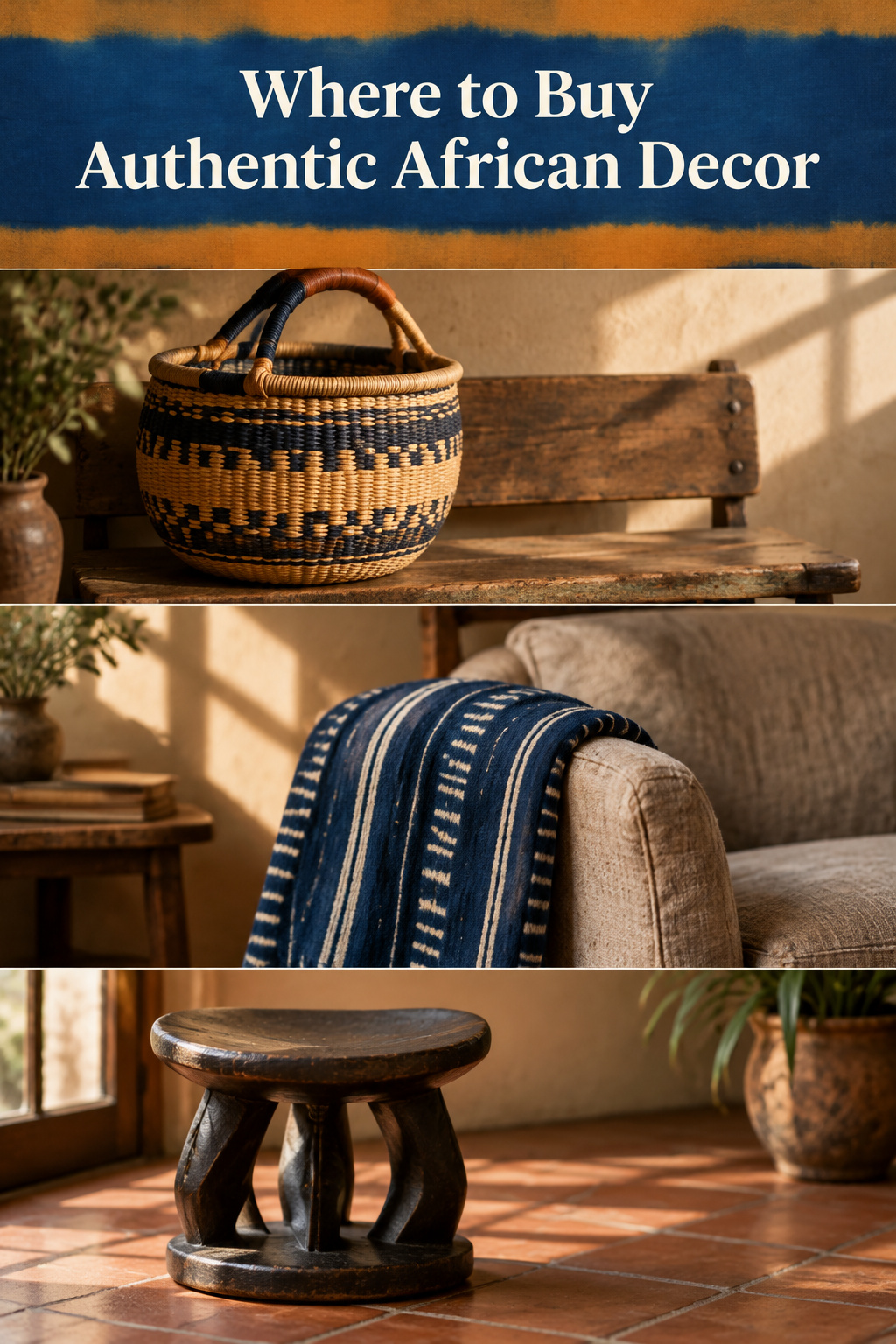
“Handmade by artisans,” the listing says, in a curly font. I look for a name. There isn’t one, and there isn’t a country either, just a cart button and a shipping estimate.
That’s the trouble with working out where to buy authentic African decor: “handmade” costs a seller nothing to type. So buy from the maker’s side, and buy in order. Build the base from what you own, put the first real money into one handmade textile, then baskets and a stool, art last. For mudcloth, that first maker purchase costs a little more than a cart of printed pillow covers.
TL;DR
- Spend in this order: a base from paint and wood you already own, one handmade textile, then a Bolga basket and a carved stool, then art.
- Check the seller, not the product: the World Fair Trade Organization verifies enterprises, so look the shop up on its member page before you pay.
- One $124 handmade Mali throw costs 1.41 times what five listings of printed mudcloth-look covers do ($87.84, six covers, since one listing is a pair), with prices from listings checked on 2026-11-17.
Start with the base you already own: paint, thrifted wood and jute
Most Afrohemian budgets leak through the printed-pillow cart. A handful of covers feels like progress, then lands on a sofa with nothing under it to hold the look together. The base comes first, and almost none of it is a purchase.
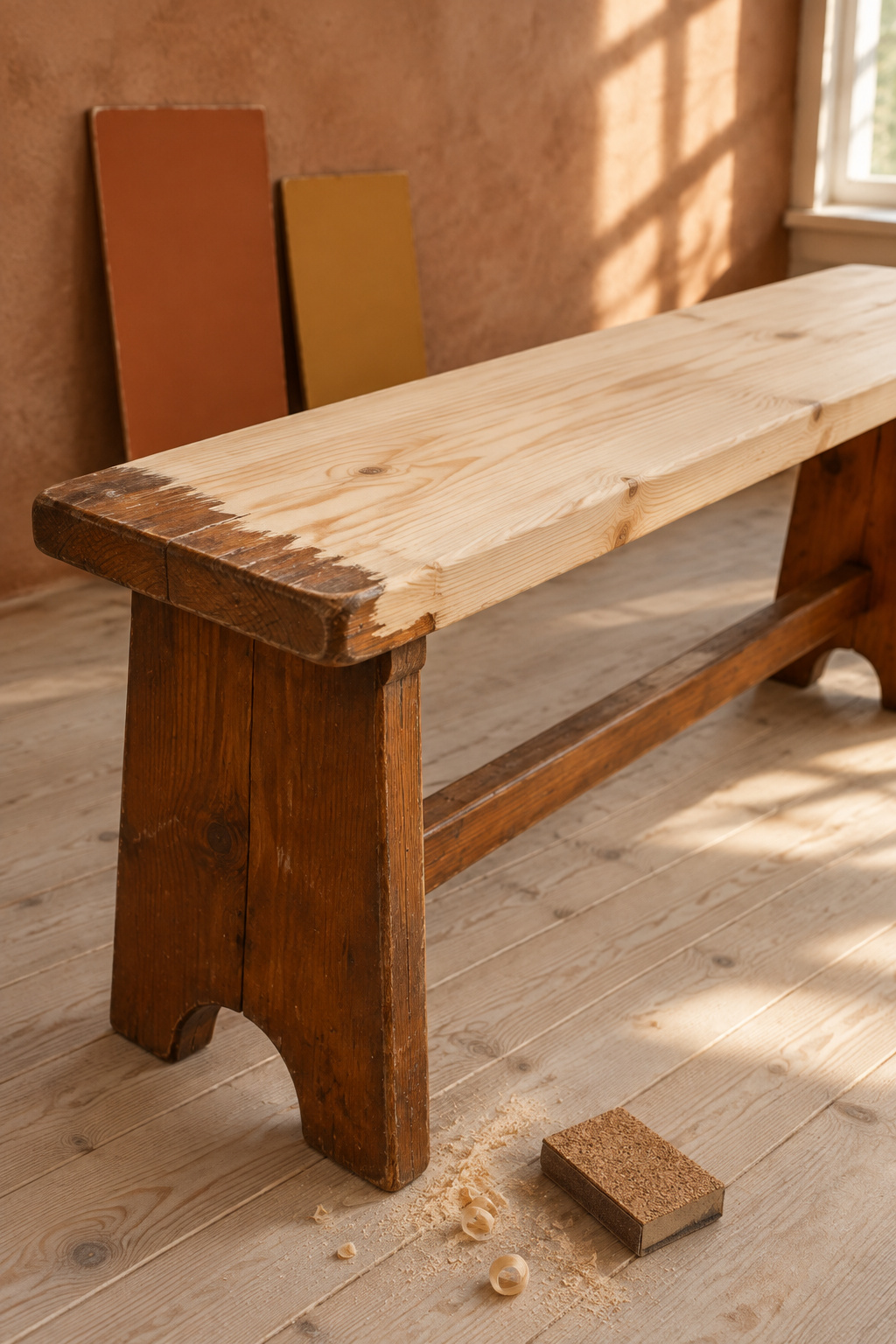
I write the list on the back of a receipt, the way I write a cut list and tape it to the first board, and I don’t buy anything that isn’t on it.
- Settle the wall color first. Pick an earthy warm tone (ochre, terracotta, a mud brown) and keep about 60% of the room in one undertone temperature, warm or cool, so nothing fights.
- Test it on a sample board, not the wall. Use at least an A2 poster board, give it 2 coats, and look at it on a sunny wall and a shaded one at a few times of day.
- Paint the wall. Plan for the second coat and the drying time between; that’s the boring step people skip.
- Pull one wood piece from what you own or can thrift. Sanding it is a weekend of work, not a purchase.
- Add one jute element if you have one. It’s base, nothing more.
I tell beginners the same about tools. Most beginners buy too many tools; start with a drill, a level and a good tape measure. My spare drill has been lent out so often it carries three different neighbors’ tape on the handle, and none of them needed a garage full of gadgets. Rooms work the same way: borrow, reuse and paint before you shop.
For how the whole room comes together, see the afrohemian living room ideas. Carrying the look into the dining room? The boho dining room rugs and budget articles cover that side.
Where to buy authentic African decor fairly, and how to check each seller’s claims
Cooperatives, fair-trade sellers and African and Black-owned shops
Three kinds of seller hold up. The first is a business listed by a membership body. Mifuko appears on the World Fair Trade Organization’s member page as a Guaranteed Member, and it says each piece carries its maker’s name. Ten Thousand Villages is on the same list with its renewal in progress. African Market Baskets and African Mod both say on their own sites that they belong to the Fair Trade Federation.
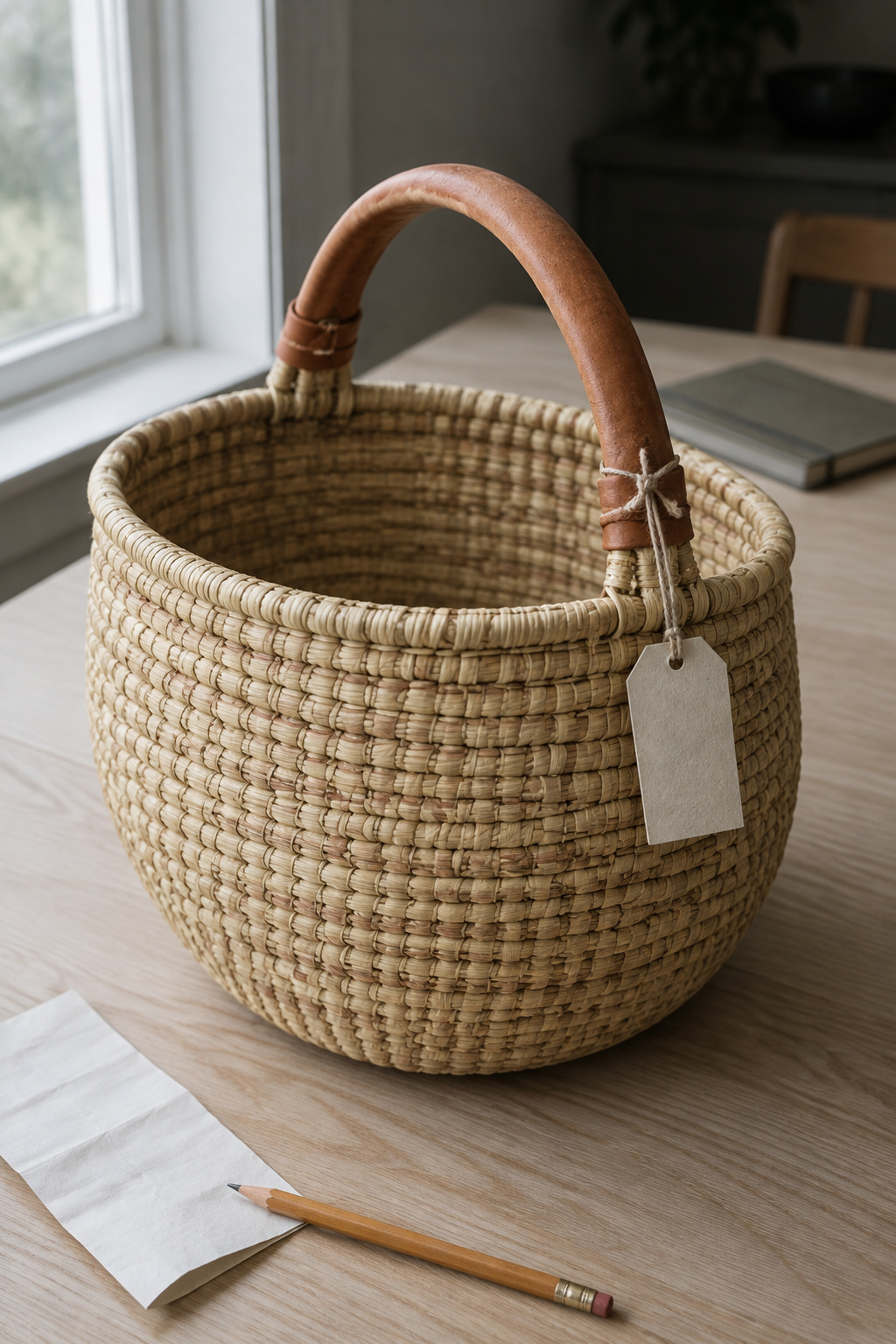
The second is a cooperative or small enterprise that gets named on the product page. Crafted Fair Trade names Ndomo, a Malian social enterprise that trains young people in textile dyeing. Sankofa Market names the women of Ayebase Enterprise in Bolgatanga on a basket listing. African Mod names Mali Chic, a group of artisans in Bamako, on a mudcloth throw.
The third is a shop you want to support for who owns it. A product page can’t prove ownership, so if that matters to you, ask the shop directly.
Four checks before you pay
There’s no certificate on the basket. The World Fair Trade Organization verifies the seller, not the product, through self-assessment, peer visits and audits of the whole business. So you look up the shop, not the piece. The wording matters too: “fair trade” as two words is not a protected term, while products carrying the one-word Fairtrade Mark are independently audited.
Run these before you pay:
- A named maker or cooperative on the page, not just a country.
- A certifier you can look up yourself: the WFTO member page shows a seller’s status.
- Photos of the actual piece. A stock photo for a one-of-a-kind item is a promise about style, not the thing you’ll get.
- A return policy you’ve read. Some sellers take returns; some say all sales are final.
I won’t pay for anything that fails the first two.
Watch for copied words. Luangisa and Heritage in Lieu describe working with a group of 20 Bamileke master craftswomen in nearly the same sentences. Ask which seller actually works with the group before you take the claim at face value.
I keep hardware-store receipts in the truck’s sun visor because something is always going back. Treat a decor order the same way: screenshot the listing, the maker’s name and the return terms before you pay.
The first real spend: one handmade textile before anything else
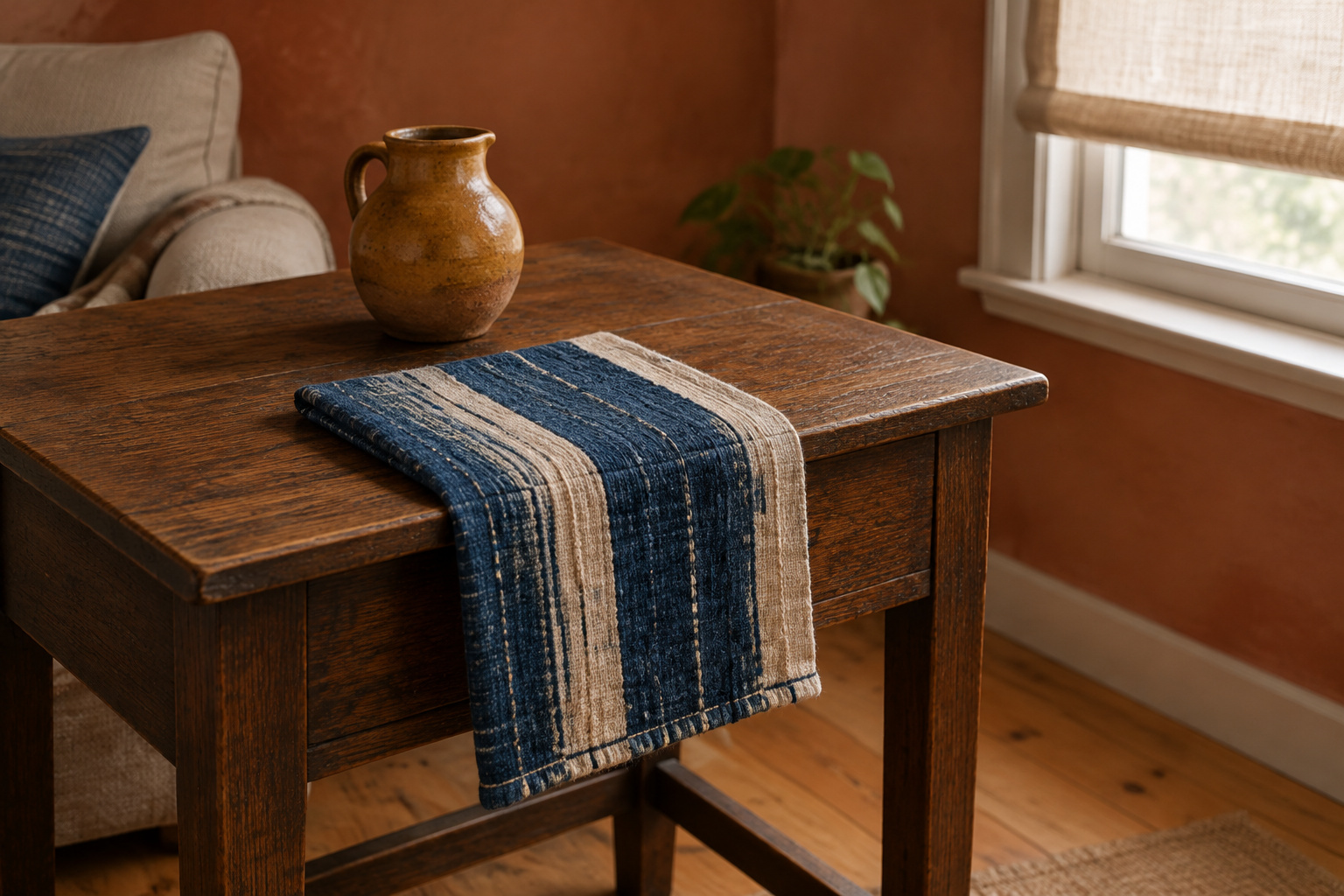
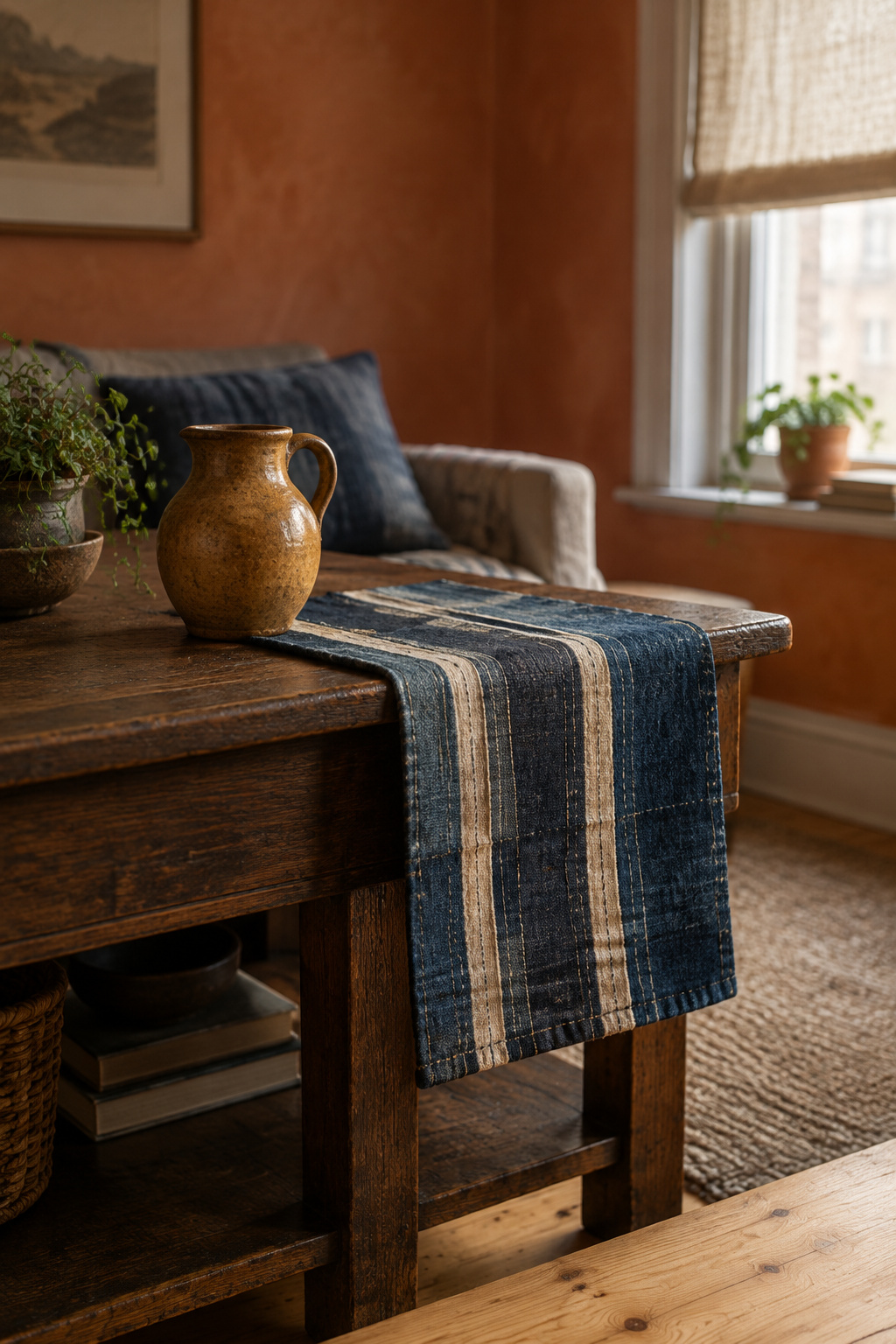
The first real money goes to one handmade cloth, and mudcloth is the clearest case. It sets the palette and pattern for everything after it, and it’s where printed lookalikes are most convincing.
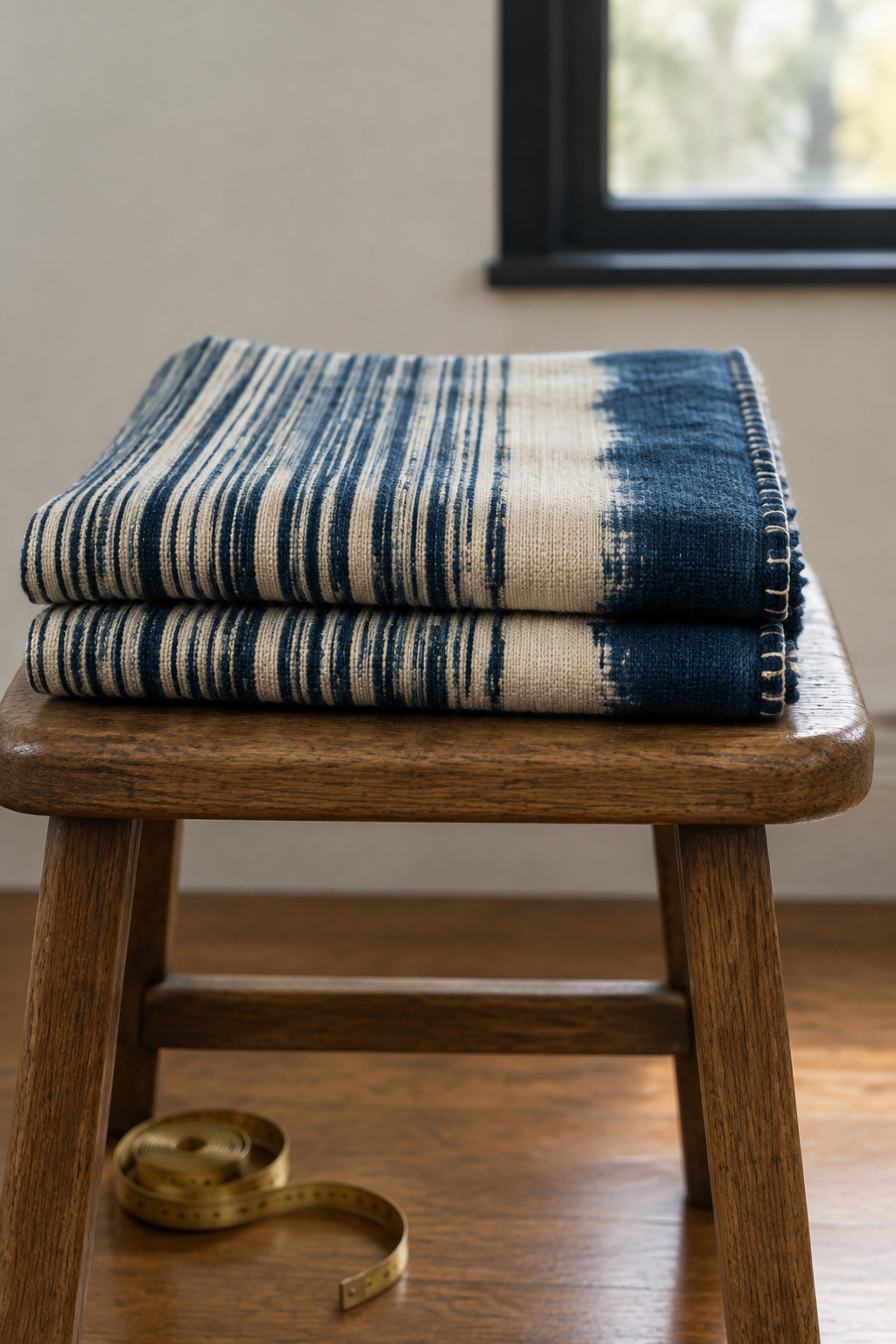
Run the numbers on the cart. Five Amazon listings for printed mudcloth-look covers, six covers in all, add up like this: $15.99 + $15.99 + $15.88 + $21.99 + $17.99 (a pair) = $87.84. A hand-dyed Mali Chic throw from Bamako lists at $124, a little under one and a half carts of prints. I’d take that trade every time.
Titles won’t sort them for you. One of those covers is a hand block-printed Indian textile sold under a mudcloth title: real handwork, still not mud-dyed cloth from Mali. For the seams, strips and dye that separate the two, go to telling real mudcloth from printed.
The low end tells you something too. A $59.95 “authentic” throw with no maker and no certifier named fails the first two checks before you even look at the cloth.
Now the mistake, because plenty of people have already made it. You bought the printed pillows first, they looked flat, and now you’re buying the real cloth anyway. Don’t feel bad. Move the prints to a bedroom or a reading chair, and let the handmade piece carry the sofa. Or pass them on. There’s a scrap bin by my garage door that the neighbor’s kids are allowed to raid, and I’d rather a thing get used than sit in a closet making me feel guilty.
Baskets and a stool: what handmade pieces really cost against a print
Once the cloth is in, the next money goes to grass and wood. Prices are from named sellers’ listings checked 2026-11-17, and they will move.
| Item | Handmade price, named seller | Printed or mass-retail lookalike | Verdict |
|---|---|---|---|
| Mudcloth throw (Mali) | $85 (Ayo & Aye) to $124 (Mali Chic) to $149.99 (Ndomo, via Crafted Fair Trade) | Printed covers $9.99 to $21.99 (Amazon) | Spend: one throw beats a cart of covers |
| Bolga basket (Ghana) | $34 (African Market Baskets, via HumanKind) to $74.99 (Ayebase Enterprise, via Sankofa Market) | None found at a mass retailer | Spend: second purchase |
| Juju hat (Cameroon) | $186 (Accent Touch) to $275 (Heritage in Lieu) | None found at a mass retailer | Save for later |
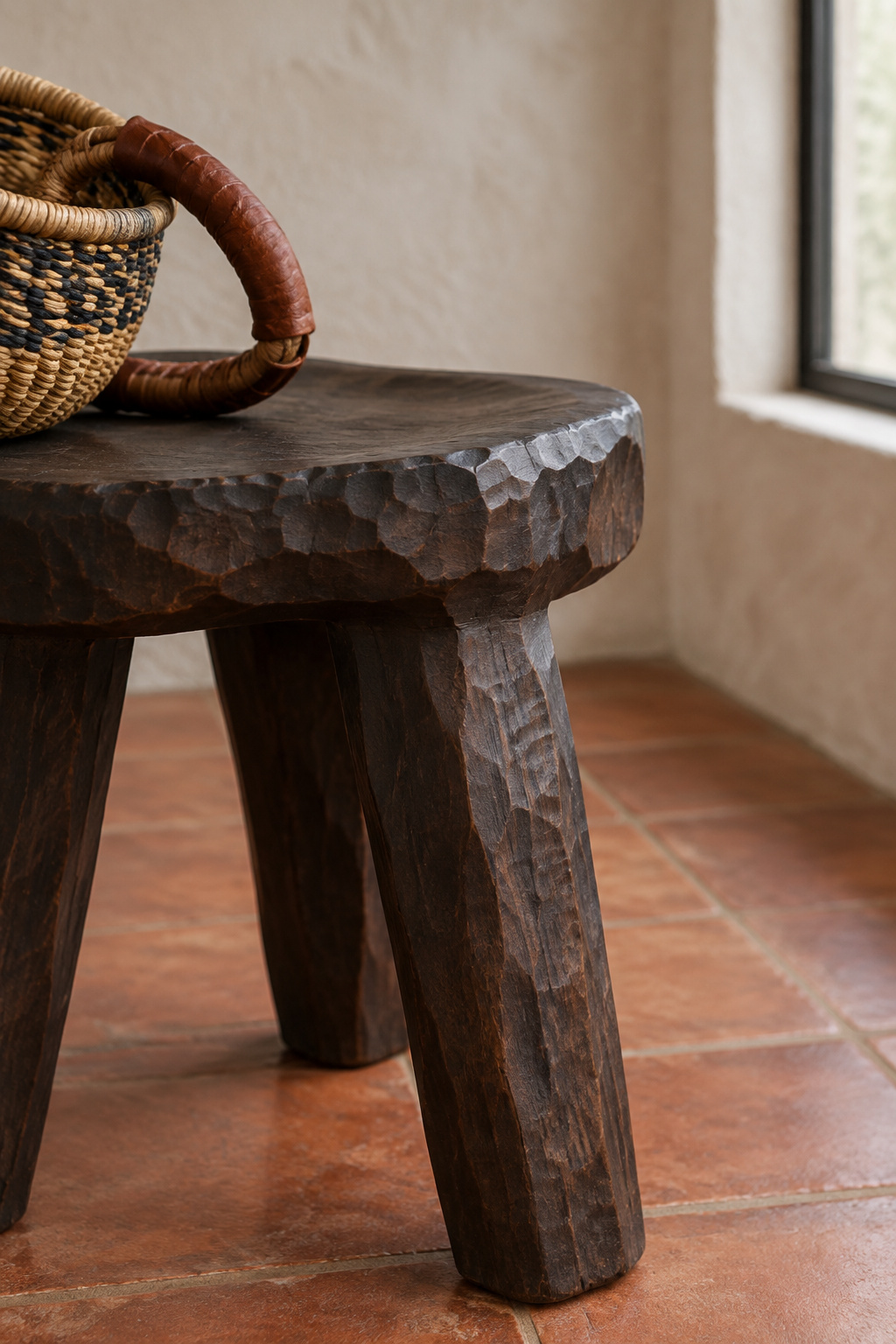
| Carved stool (Ghana) | $149.99 to $449.99 listed (Novica, carver named); $170 (faircollab); $199 (engold) | None found at a mass retailer | Spend once, on a named carver |
I’d buy the basket next: it’s the cheapest handmade piece on the table and it does a job the day it arrives. Then save for the stool. A good one is a carved stool that does three jobs, the wood piece you’ll actually use. The juju hat waits. That’s my call, not a rule: it’s beautiful and it does nothing but hang there.
No mass-retail lookalike turned up for the baskets, hats or stools, so for those it’s handmade against nothing. Apply the price floor anyway: an Asante stool at $40 with no maker named is cheap enough that I’d want to know who carved it.
Art comes last, and prints are fine when you buy them honestly
Art goes last because it’s the easiest place to overspend, and it’s the one category where a print is a perfectly good answer, as long as it’s sold as a print. I’ll take a good print over a doubtful original any day.
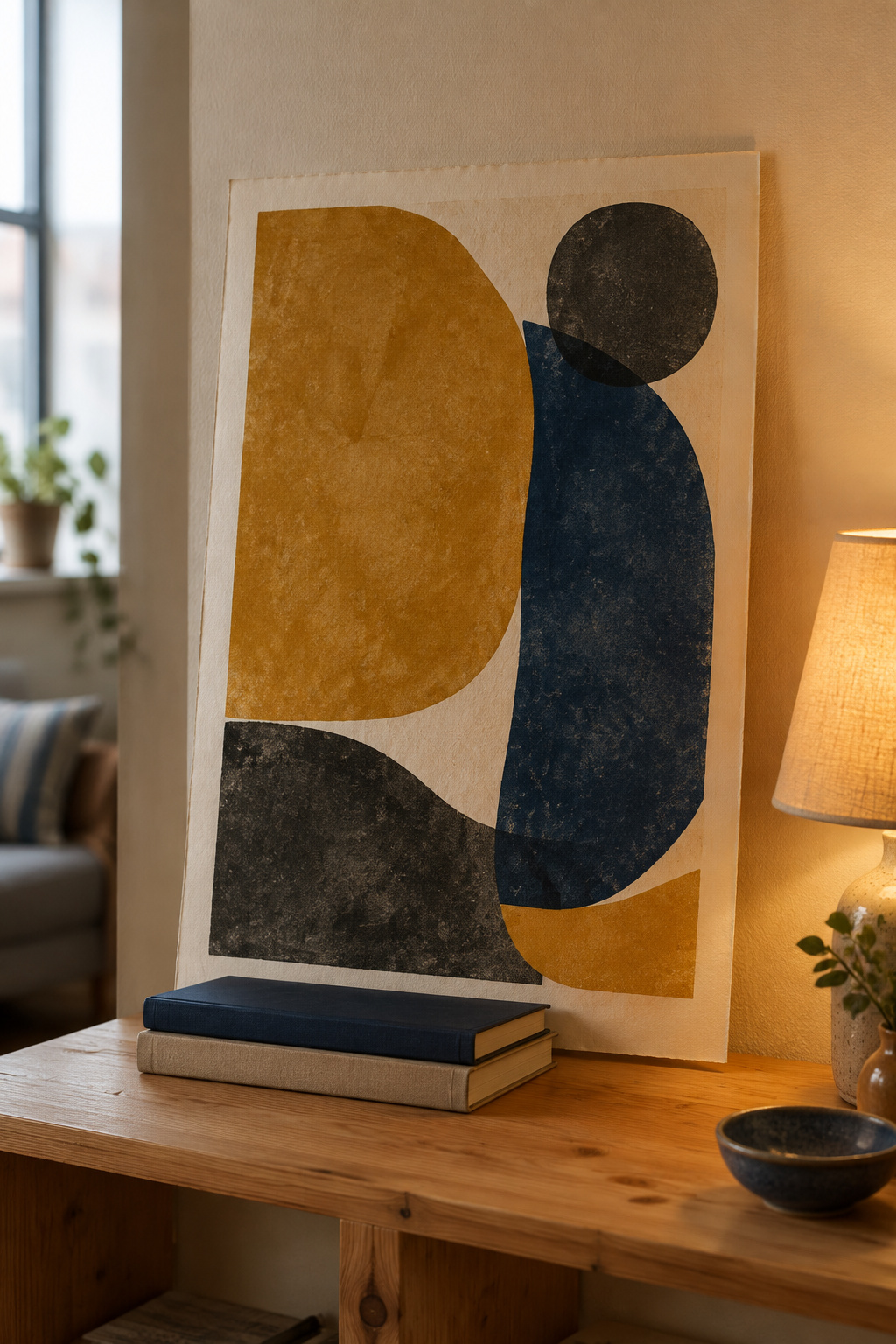
Ask the seller these before you pay:
- Is it an open edition (no fixed count) or a limited one?
- If limited, what’s the edition size and this print’s number? Limited prints are numbered as a fraction and usually signed.
- Who issued the certificate, if there is one? A certificate counts for more when it comes from the artist’s foundation or official archive.
Avoid the mass “African-inspired” print sold as if it were authentic. If a listing won’t say who made the image or where the pattern comes from, skip it.
Framing is where you save. A thrifted frame with a new mat and glass runs about $15 to $25 a piece. Measure the frame before you order the mat, because a mat that’s off by a little is a second trip to the store. Which art is worth hanging is a separate argument about living African artists; the buying rule is just the honest-print test.
The two-sentence rule to carry into every cart
Buy from the maker’s side and in order: the base from what you own, one handmade textile, then a basket and a stool, art last. Before you pay, check the seller on a certifier’s own page and find a maker’s name on the listing, because “handmade” and “fair trade” in a product description prove nothing on their own.
Skip the printed-pillow cart. It feels like a start and ends up as a second shopping trip. The price gap holds only for those five listings at their listed prices against that one throw from a named Bamako group. Spend the extra on the cloth. I’d rather own one throw with a maker’s name on it than a sofa full of guesses.
FAQ
Can I buy authentic African decor in person instead of online?
Yes, through fair-trade retailers. African Market Baskets sells wholesale only and points individual buyers to its store locator, and independent fair-trade shops stock its baskets. Ten Thousand Villages also runs fair-trade retail. Shopping in person lets you see the actual piece before paying, which settles the photo check on the spot.
How long does shipping from an African cooperative take, and who pays customs duties?
It depends on the seller. One made-to-order juju hat set from Yaounde lists about 7 days plus shipping, with fees and taxes added at checkout. Many US sellers hold stock domestically, which avoids import fees for you. Ask the seller who covers duties before you order from abroad.
How can I tell if a secondhand African piece is genuine or a tourist-market copy?
You usually can’t from photos alone. Ask the seller for any provenance documents and the history they know. Handmade carvings tend to show tool marks, cracks and uneven surfaces, but a copy can claim one-piece carving too. For an expensive piece, pay a specialist to check provenance and condition first.