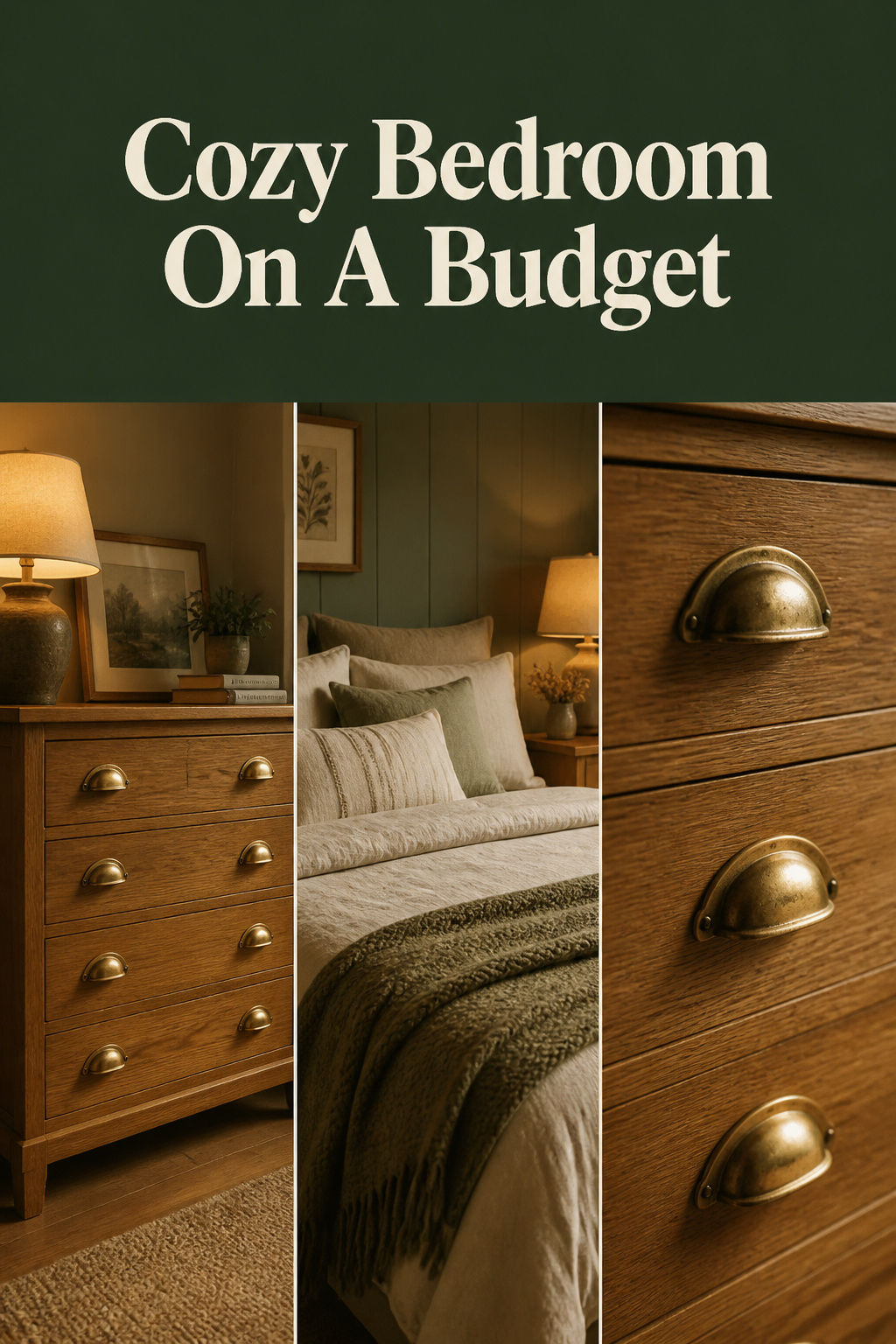
A textile refresh that warms up a bedroom costs about $60 to $100 and takes an afternoon. The staged photo of that same room was shot in a space that ran $3,500 to $7,000 in new paint and flooring — the whole problem with a cozy bedroom on a budget. Those pictures were never on a budget, so you assume cozy is priced out of reach and feel cheap for wanting it. Both are wrong: warmth comes from a short list of cheap, high-impact moves, and I can tell you what each one costs.
TL;DR
- The biggest warmth-per-dollar move is textiles: a $20-30 wool throw and a set of cheap pillows layered over the budget bedding you already own beat pricier bedding, for $60-100 total.
- Buy solid-wood dressers secondhand ($25-75), but never a used mattress; one full dryer cycle on normal heat kills bed bugs and makes thrifted textiles safe to bring in.
- Spend on what your body touches eight hours a night (mattress, sheets), skip premium nightstands and cushions, and the whole plan here adds up to roughly $163-271.
The “Expensive Equals Cozy” Myth, and What Actually Works
Cozy does not have a price floor. It has tiers, and the cheapest one already works.
Why photos make cozy look pricier than it is
The room in the photo is usually staged against a renovation, not a refresh — even a stripped-down cosmetic makeover, just paint and floors, runs $3,500 to $7,000. That’s a remodel, not coziness, and you’re copying its price by accident.
What actually drives the cozy feeling, cost aside
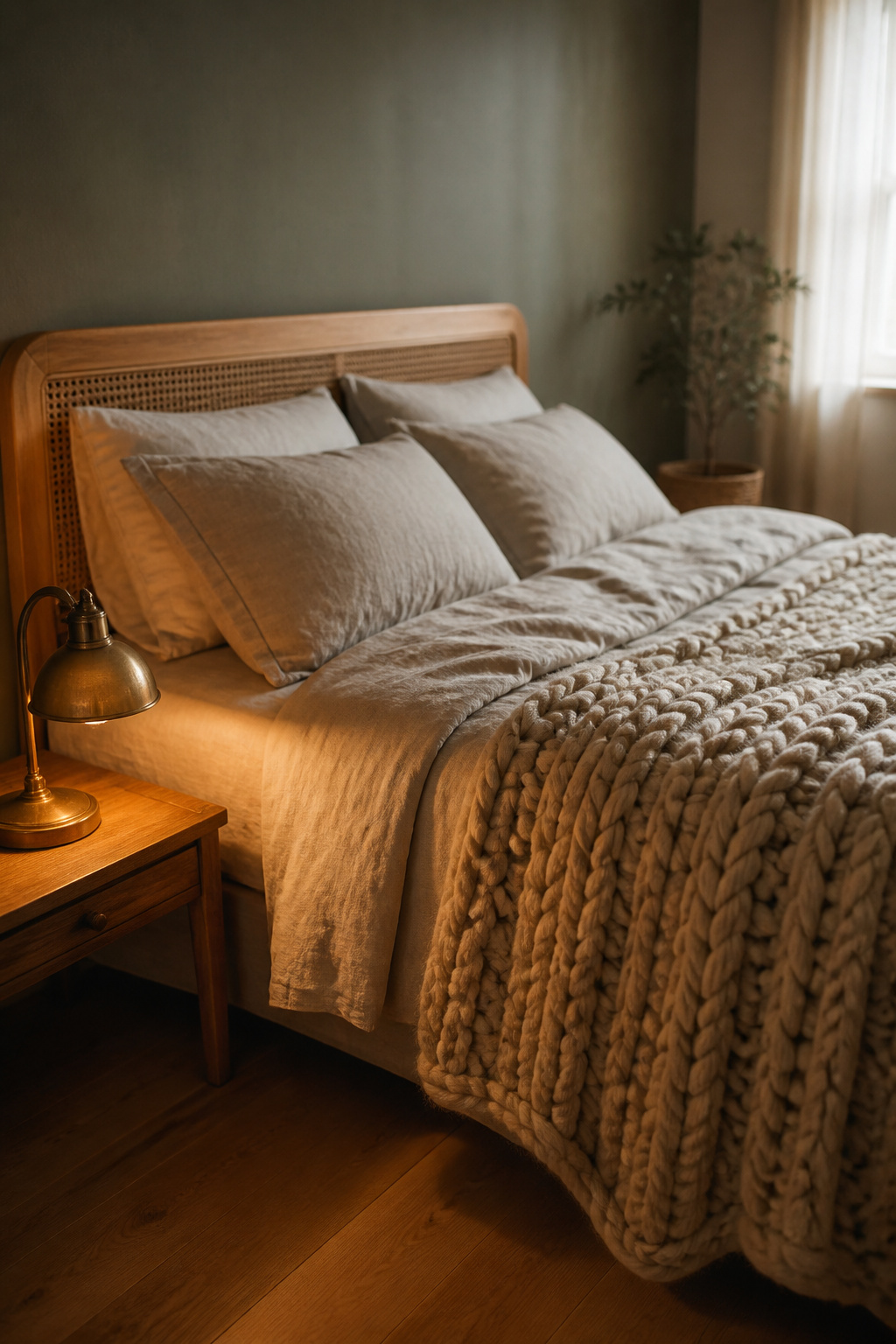
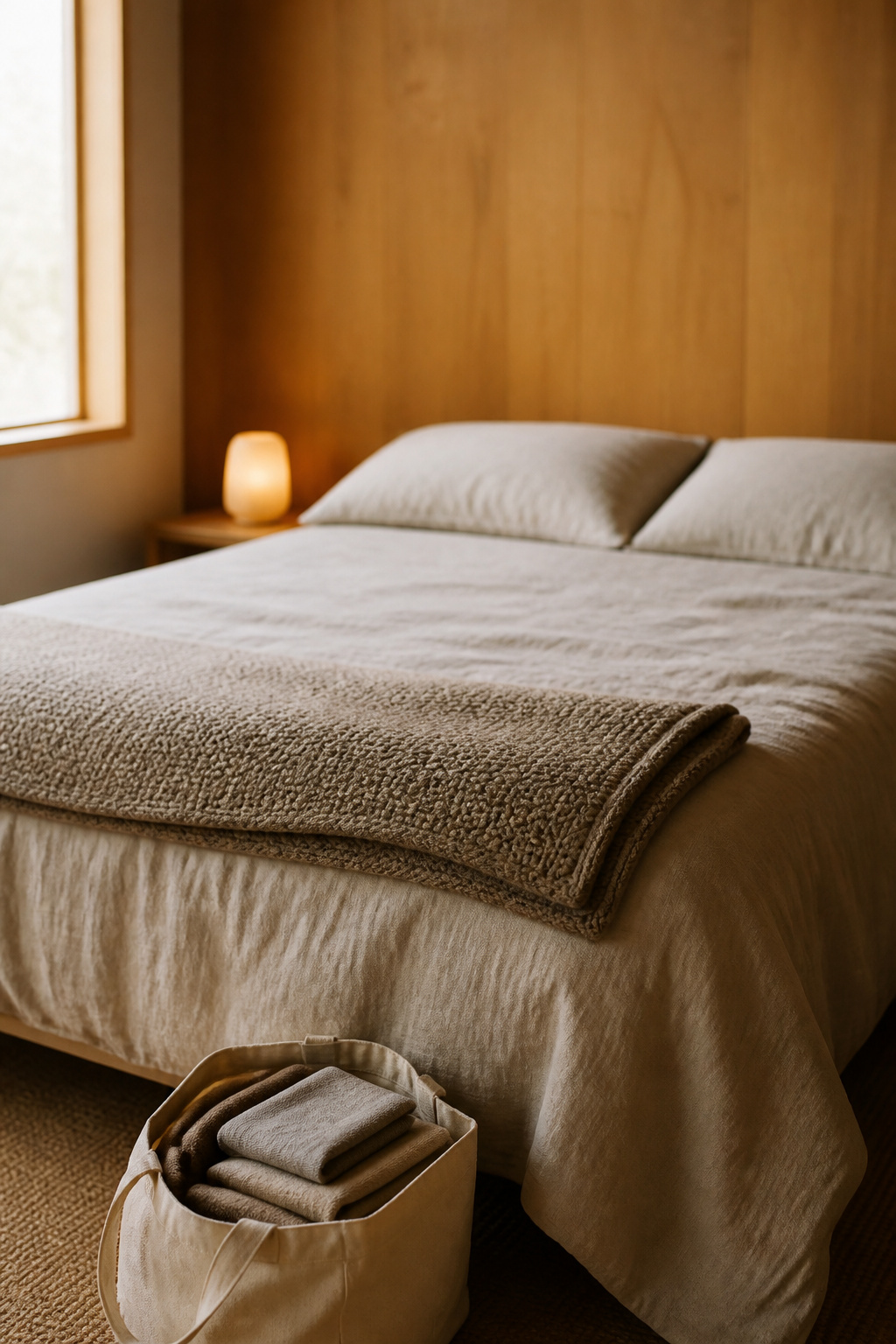
Interior designer Emily Henderson builds her warm, high-end look on budget bedding, then layers throw pillows and blankets over it — layering does the work, not the price of the sheets. Four throw pillows ($40-60) plus one throw blanket ($20-30) make a complete textile refresh for $60 to $100. Warm, low lamp light instead of a cold overhead is the other lever, and costs about as little.
The real number this guide works toward
Here’s the bracket: textiles-only bottoms out near $60 to $100; a full furniture-and-lighting refresh tops out at $560 to $910. This guide’s plan lives between them, roughly $150 to $300, with no new furniture — paint is the biggest lever for staying low, a gallon runs $70 to $80 against $2 to $8 for samples.
The Highest Cozy-Per-Dollar Upgrades
Two categories beat everything else on warmth per dollar: textiles and light. Start here, in order.
Bedding first: the cheapest big-impact change
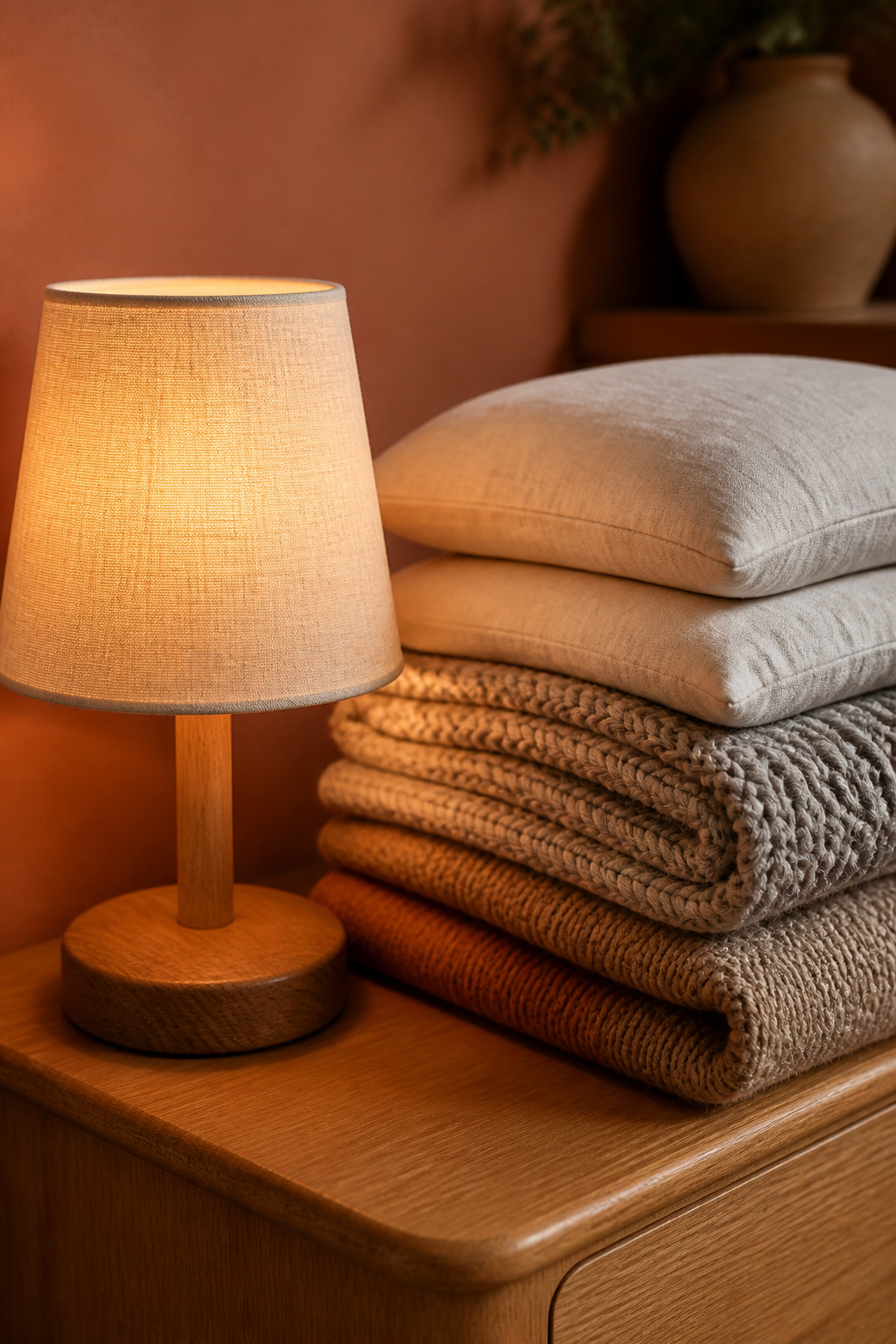
Sixty to a hundred dollars of textiles is the highest-impact change you can make. Budget pillows start around $30, and decorative throw pillows run $10 to $100 — buy the cheap end and buy volume, since coziness here is quantity, not one premium piece. For technique, see how to layer bedding; this is just the price tag.
Lighting swaps under $30
Swap the cold overhead for a lamp and the room changes after dark. Cottagecore-style bedside lamps — wood base, fabric shade — run $20 to $24 each, under a $30-a-lamp ceiling; two together land at $40 to $48. I’m pricing the swap, not the bulb temperature that makes a room glow rather than glare — that’s another article’s job.
Textiles that do the most per dollar
Between seasons, swap covers, not inserts — pillow covers sit at the low end of that $10-to-$100 range. If you buy just one textile, buy the throw: a wool-knit blanket at $20 to $30 is the highest-visibility piece per dollar in the room.
Thrift, Secondhand and Marketplace Wins
Only two things are never worth buying used; one cycle makes the rest safe to bring in.
What’s worth buying used and what isn’t
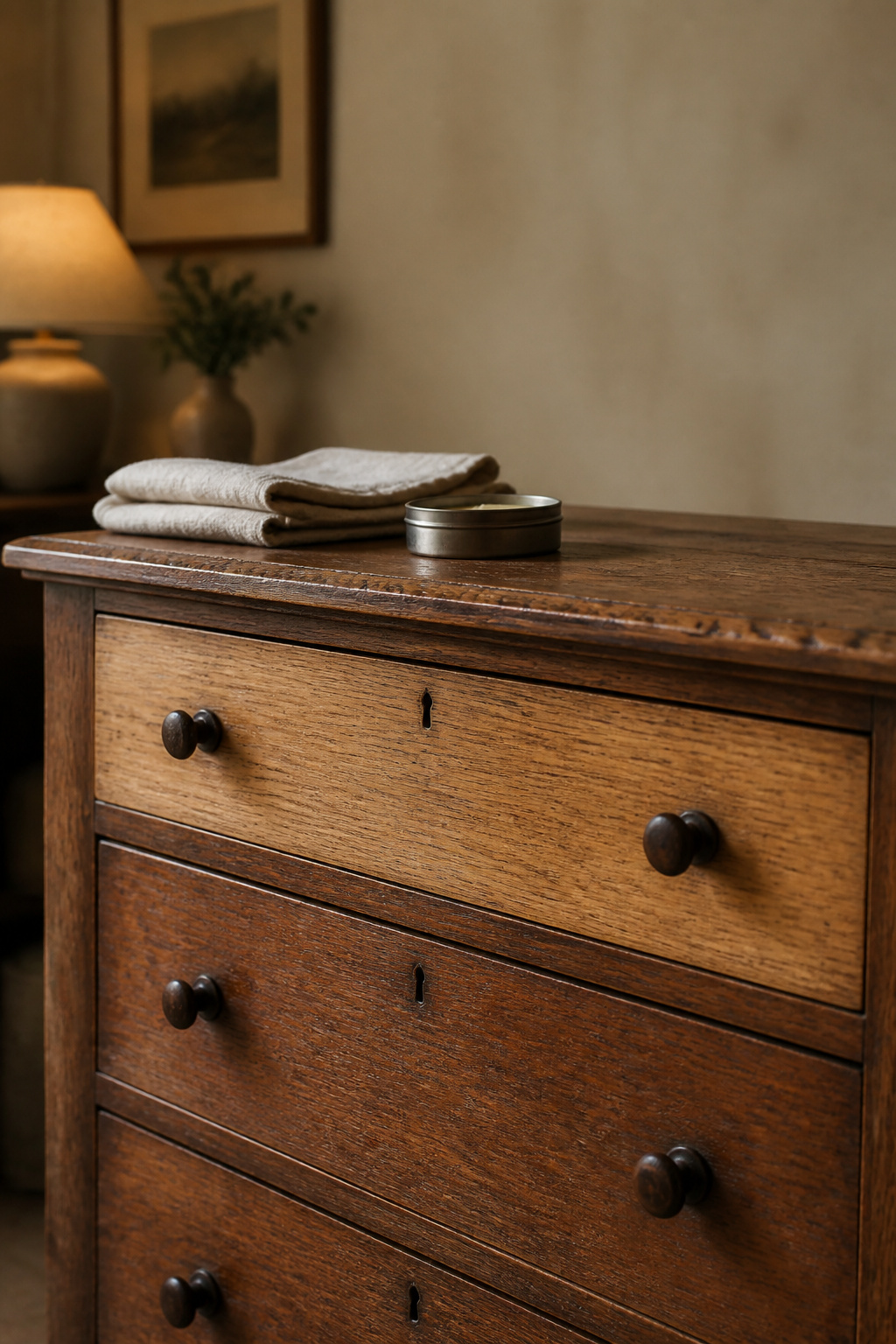
Solid-wood case pieces are the buy: Goodwill dressers with mirrors run $25 to $60, and independent thrift stores $25 to $75 for solid wood — against a $3,000-to-$15,000 new-furniture line. Skip:
- A mattress. Bed bugs are more likely living inside than visible on the surface, and you get no warranty or flame-safety proof. New budget mattresses start around $199 — buy new.
- Stuffed sofas and chairs, the next most common bed-bug home after beds.
Bed frames and headboards are fine if inspected first: run a flashlight over seams and undersides for reddish-brown, apple-seed-sized bugs or rusty fecal spotting.
Cleaning and refreshing secondhand textiles safely
One full dryer cycle on normal heat kills bed-bug adults and eggs, per Oklahoma State University Extension (fact sheet T-4421) — the single step that makes thrifted textiles safe. Wash normally with regular detergent, dry immediately, and bag items for the trip to the machine, binning that bag outside. Non-washable pieces get vacuumed outdoors, then quarantined in the garage a few days.
Negotiating and timing marketplace finds
On marketplace, offer a little under your target rather than lowballing, and move fast — book pickup the same or next day, since sellers change their minds during any wait. Meet somewhere public, and walk if something feels off.
Cheap Swaps That Punch Above Their Cost
None top $20, and each changes a whole wall or drawer front.
Paint samples and small-can projects
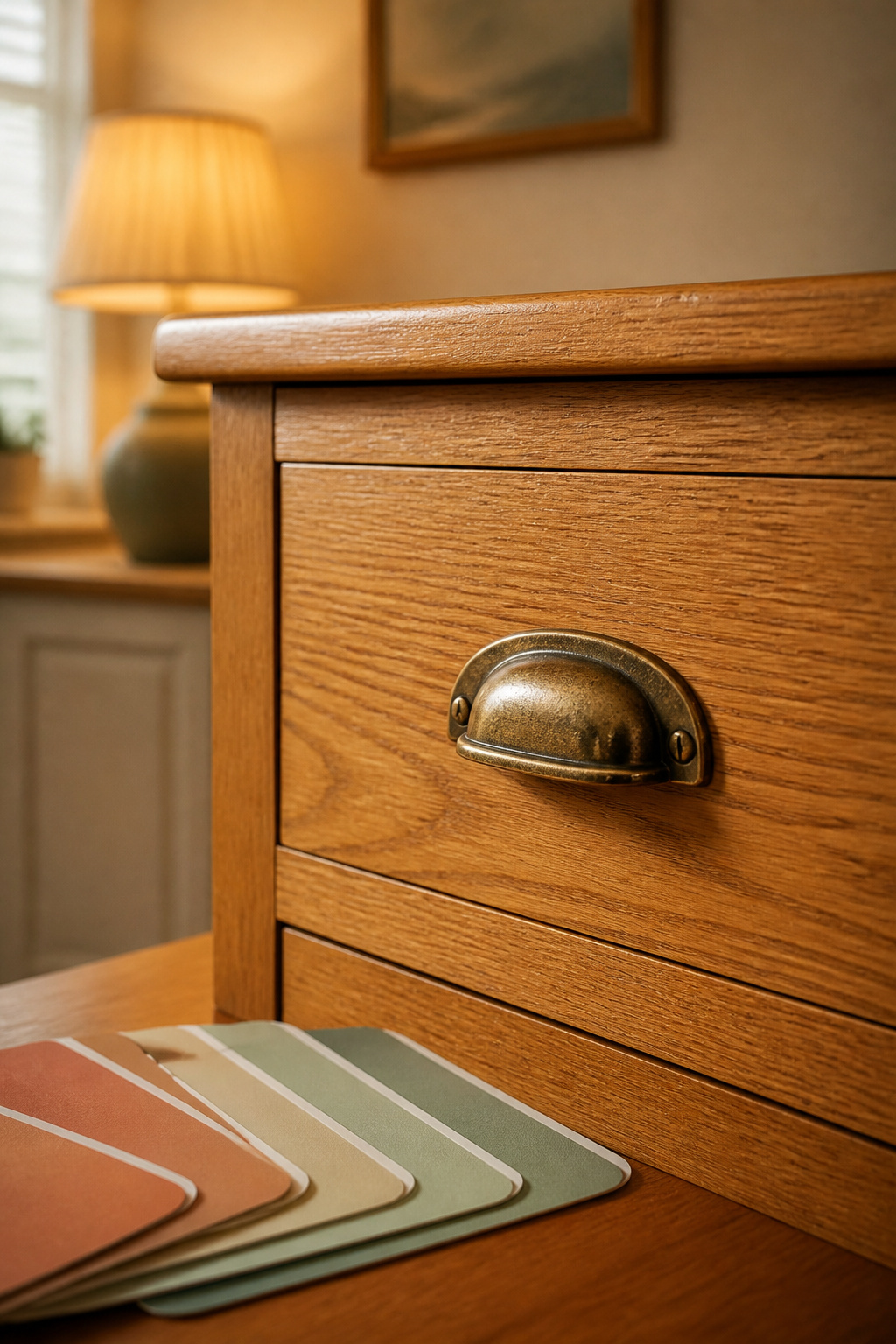
You don’t need a full gallon to change a wall’s mood. Sherwin-Williams 8oz samples cost $5 to $8, its peel-and-stick swatches $2 to $3; Behr sample pints run about $5, Valspar pots about $4. Leave a sample on the wall three days minimum, checked at 8am, noon, 4pm, and after dark — color shifts hard across those hours. For pattern, removable peel-and-stick wallpaper runs about $20 to $90 a roll, or build a wood accent wall if you’d rather have the real thing.
Hardware and pull swaps
New pulls make a tired dresser look new. Basic knobs cost $1 to $25 a piece and ornate ones $5 to $50, so a full dresser gets re-pulled for under $50. Measure the existing hole spacing first — the step people skip and pay for. Furniture pulls most often use 3-inch (76mm) or 3.75-inch (96mm) center-to-center, but vintage pieces wander, so trust the tape, not the label, or you’re drilling fresh holes into the piece you were trying to save.
DIY fixes instead of full replacements
You conceal damage more than you repair it, and that’s fine. A $10 touch-up marker and wax-crayon kit colors over scratches and drips on wood — not a repair, but presentable. Renting? Damage-free hanging strips hold framed art to their rated weight, no holes, no deposit fight. Years back, running remodel crews, the most-used thing in my bag was a $40 multi-tool nobody respected — the crew reached for it every install anyway, because it did the one job the expensive gear couldn’t. The budget version usually wins.
Where to Splurge (and Where Never To)
The money goes onto a short list, and three designers agree on it without coordinating.
The one or two things worth real money
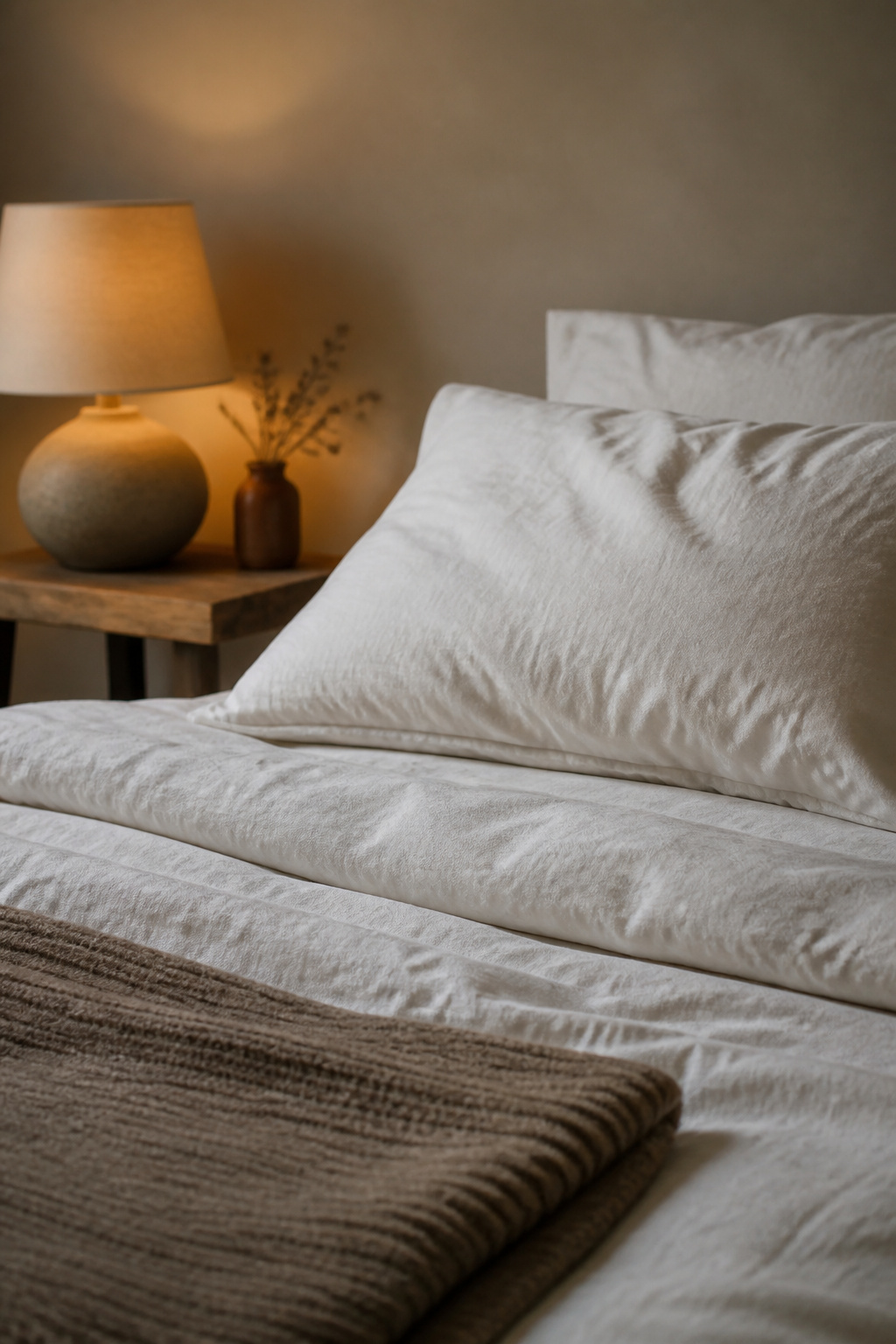
The mattress, first. “You spend so much of your life in bed, and sleep is essential to good health, so this is one area you should try not to scrimp on,” says designer Gemma Hill of Bayswater Interiors. After that, the sheets — you feel cheap ones nightly — plus a mattress pad and memory-foam pillows, since they change how you sleep, not how the room looks.
What to never overspend on
Then the things you only look at: recover an old headboard instead of buying new (the fabric is the only real cost), repurpose a nightstand, and skip pricey decorative cushions. That money belongs in bedding.
| Item | Spend or save | Why |
|---|---|---|
| Mattress | Spend | Highest-touch; no safe used option |
| Sheets | Spend | You feel the quality nightly |
| Mattress pad, pillows | Spend | They change how you sleep |
| Headboard | Save | Recover the old one cheaply |
| Nightstand | Save | Just a surface; buy cheap |
| Decorative cushions | Save | Purely visual |
The math behind each call
One rule sorts the whole list: spend on what your body touches nightly, save on what you only look at — the line three designers drew independently, and why a used mattress, the highest-touch item with no warranty, is never worth the risk.
A Weekend Plan for a Cozy Bedroom on a Budget
Here’s what every lever in this budget bedroom makeover adds up to — summed from the prices above, not a figure pulled off a listicle.
A sample plan under a set dollar figure
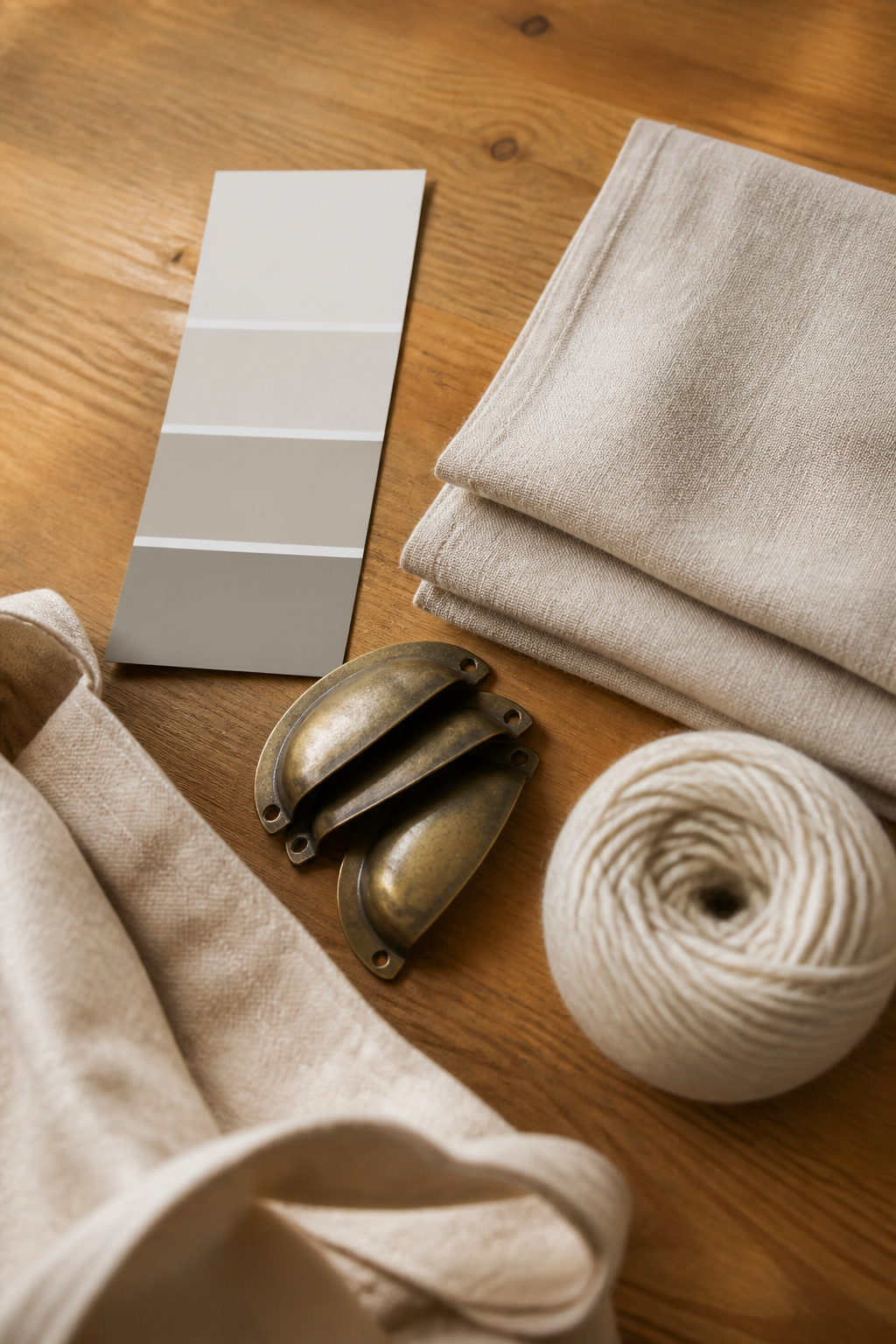
The plan below prices every move here, thrifted piece included.
| Item | Rough cost |
|---|---|
| Two paint samples | $10-16 |
| Two bedside lamps ($20-24 each) | $40-48 |
| Wool throw + pillow covers | $50-70 |
| Secondhand dresser or nightstand | $25-75 |
| Dresser pulls, basic tier | $20-40 |
| Touch-up kit + hanging strips | $18-22 |
| Total | $163-271 |
Add it up and the plan lands around $163 to $271, inside the target and far under the full-furniture tier. Skip the thrifted dresser if yours just needs refreshing, and the number drops further.
Sequencing the upgrades over two weekends
The paint sample sets the clock, so start there.
- Weekend one, day one: brush on a paint sample. It sits three days, checked at 8am, noon, 4pm, and after dark, before you commit.
- Same trip: order the lamps, throw, and pillow covers, and make the thrift or marketplace run for any dresser swap — pickup booked same-day or next-day.
- Weekend two: wash and fully dry-cycle any secondhand textiles on normal heat, swap the hardware (2 to 5 hours), touch up scratches, hang art on damage-free strips, and commit to the color you tested.
What to skip if the budget shrinks further
If the ceiling drops under $100, keep just the textiles tier — one throw and a set of pillows, $60 to $100 — and drop paint, hardware, and thrifted furniture. If time, not money, is the constraint, cut the secondhand run first; its payoff depends on what’s in stores that week.
The myth doesn’t survive contact with the prices. A cozy room isn’t a shopping list you can’t afford — it’s a stack of textiles, a warm lamp, a thrifted dresser, and a rule about where the money goes. Do one thing this weekend: put a $20-30 wool throw in the bed’s main sightline and turn the overhead off — the cheapest warmth in the room, and the first move in our cozy bedroom ideas. The rest is working down the list until the budget runs out.
FAQ
How much does it realistically cost to make a bedroom cozy?
Realistically, $60 to $100 for a textiles-only refresh of throw pillows and a blanket. Add lamps, a rug, and curtains and a fuller refresh runs $370 to $540; a complete furniture-and-lighting tier tops out near $560 to $910. This guide’s own thrift-and-sample plan lands around $163 to $271, all well under a $3,500-plus remodel.
What’s the single cheapest way to warm up a bedroom?
A wool-knit throw blanket, $20 to $30, is the single highest-visibility warmth per dollar, because it sits in the room’s main sightline. Layer it and a few cheap pillows over the budget bedding you already own, rather than buying pricier bedding — that’s the exact trick a working interior designer uses to fake a high-end look.
Is it safe to use thrifted textiles in a bedroom?
Yes, once you wash them right. Run secondhand fabric through a normal wash with regular detergent, then dry it immediately on normal heat for one full cycle, which kills bed-bug adults and eggs. Carry the items to the washer in a sealed bag and throw that bag out outside before anything touches the bed.