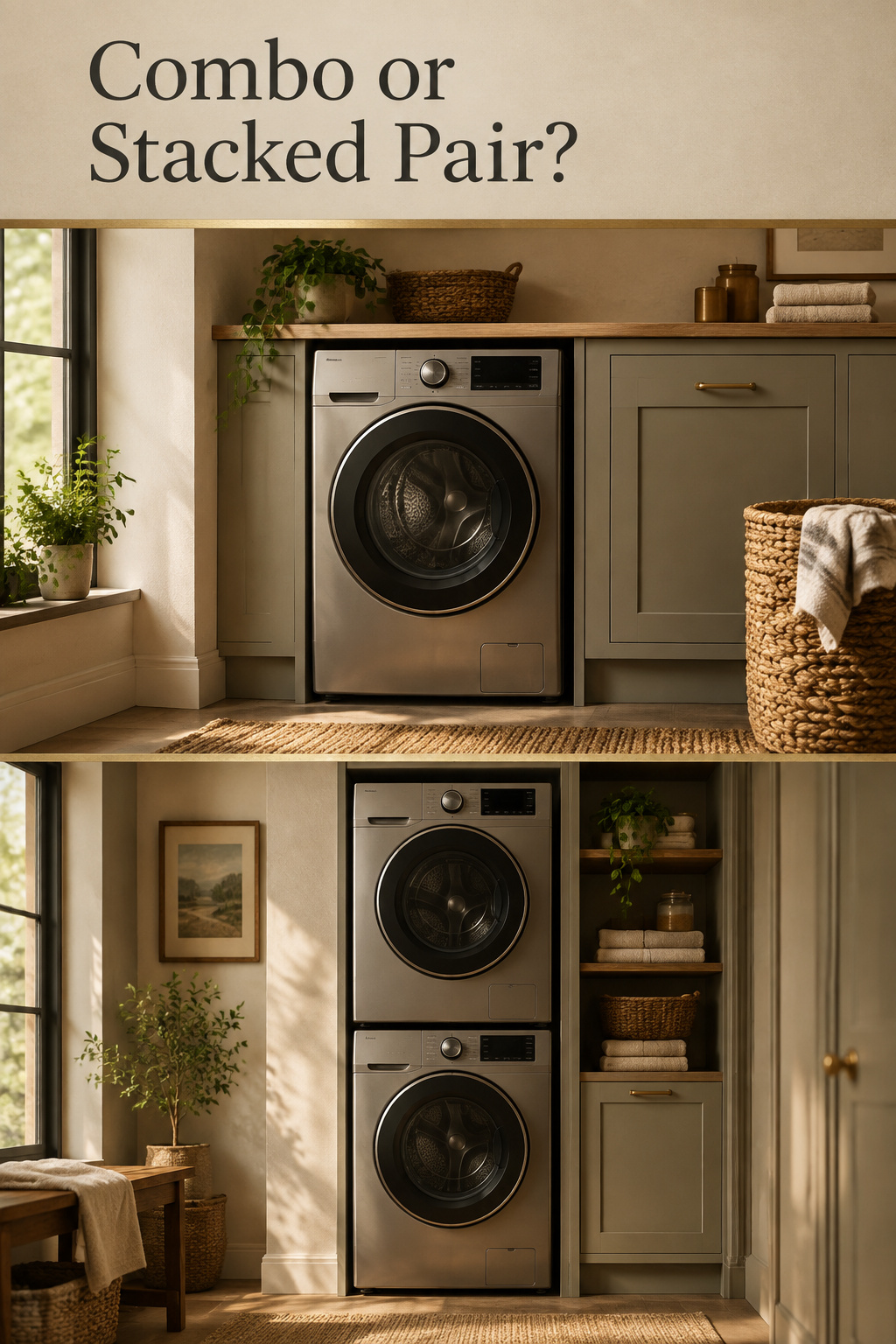
Everyone arrives at the same picture: two machines, one stacked on the other. It is a good picture, and not the only one. Most buying guides ask which machine is better. When you weigh a washer dryer combo vs separate units, the more useful question is which one matches the rhythm of your week.
TL;DR
- A combo saves you a transfer between machines and costs you time. Consumer Reports timed 3.5 hours to dry a 12-pound load in a tested GE Profile combo, and over 2 hours for an 8-pound mixed load.
- A combo wins on installation: one cabinet, one water hookup, a standard 120V outlet, no vent duct. It goes where a vented stack cannot.
- One or two people, light laundry weeks: a combo is enough. Families, or anyone who wants to wash and dry at once: two machines, every time.
Washer dryer combo vs separate units: the assumption worth questioning
Why ‘stack two machines’ isn’t the only small-space answer
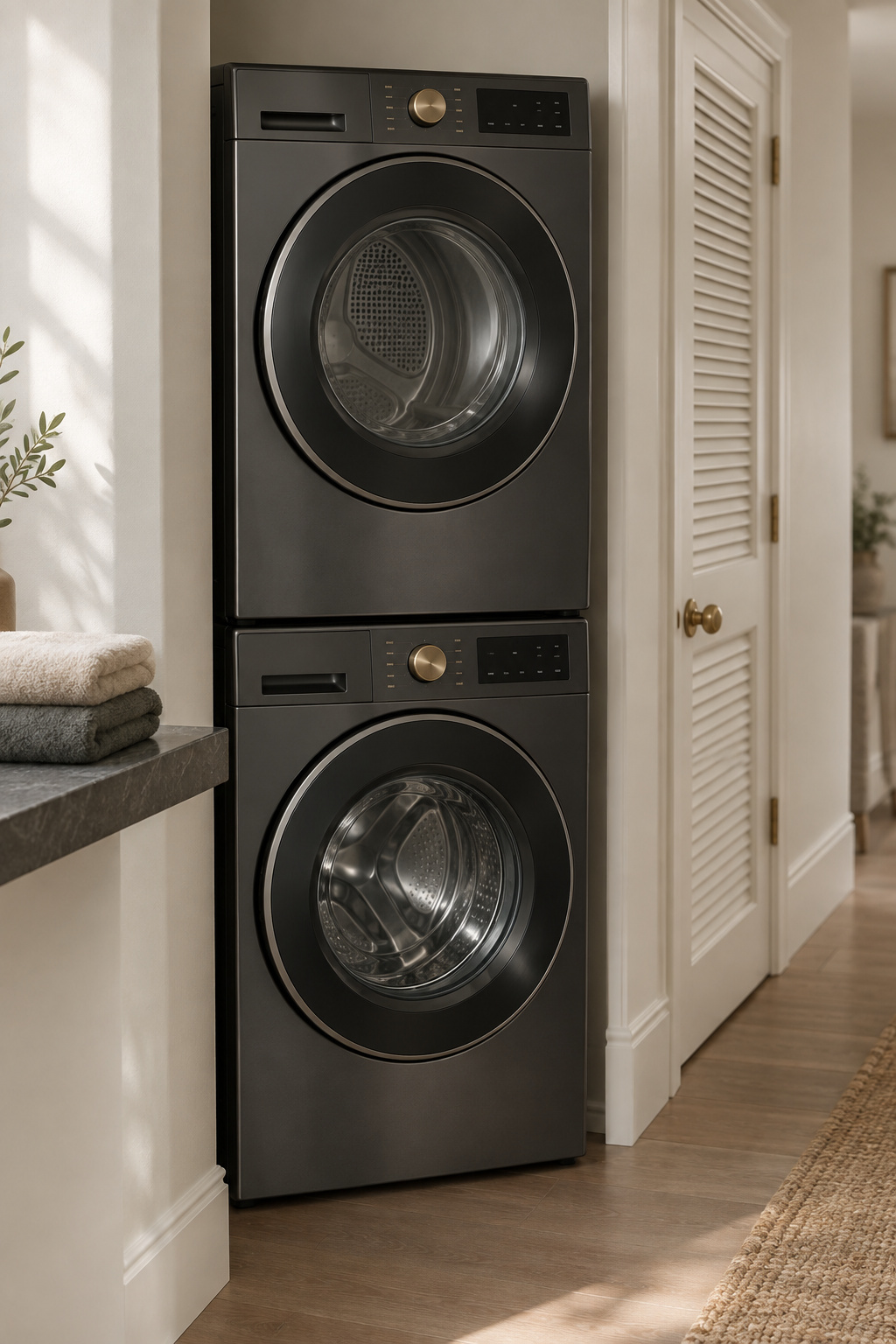
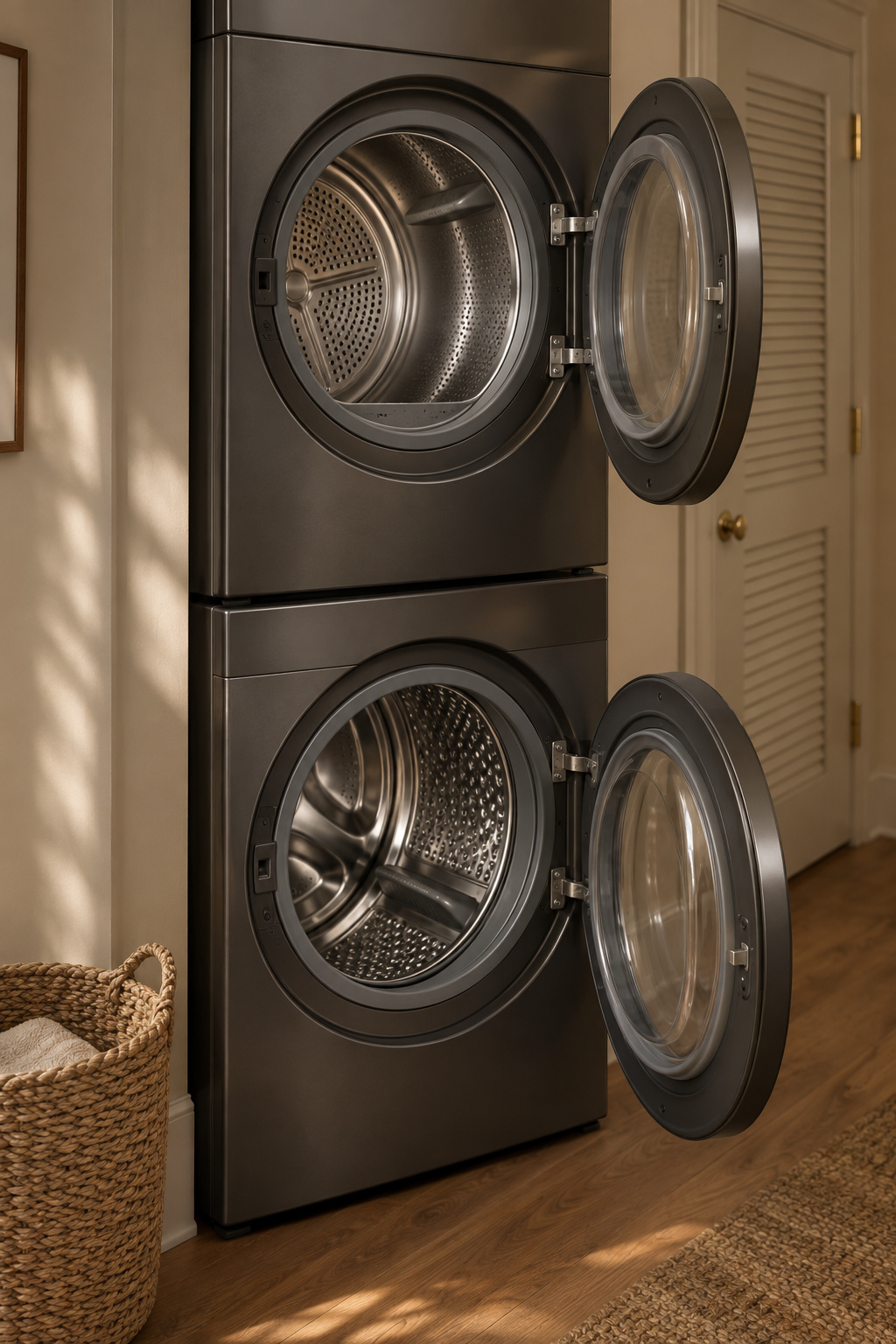
A combo is one cabinet, roughly 23 to 27 inches wide and 33 to 44 inches tall. A stacked pair is two cabinets and roughly 66 to 80 inches of height. A combo is also ventless, which Whirlpool says lets it go virtually anywhere, without worrying about ducting.
What a combo is: one drum, two jobs
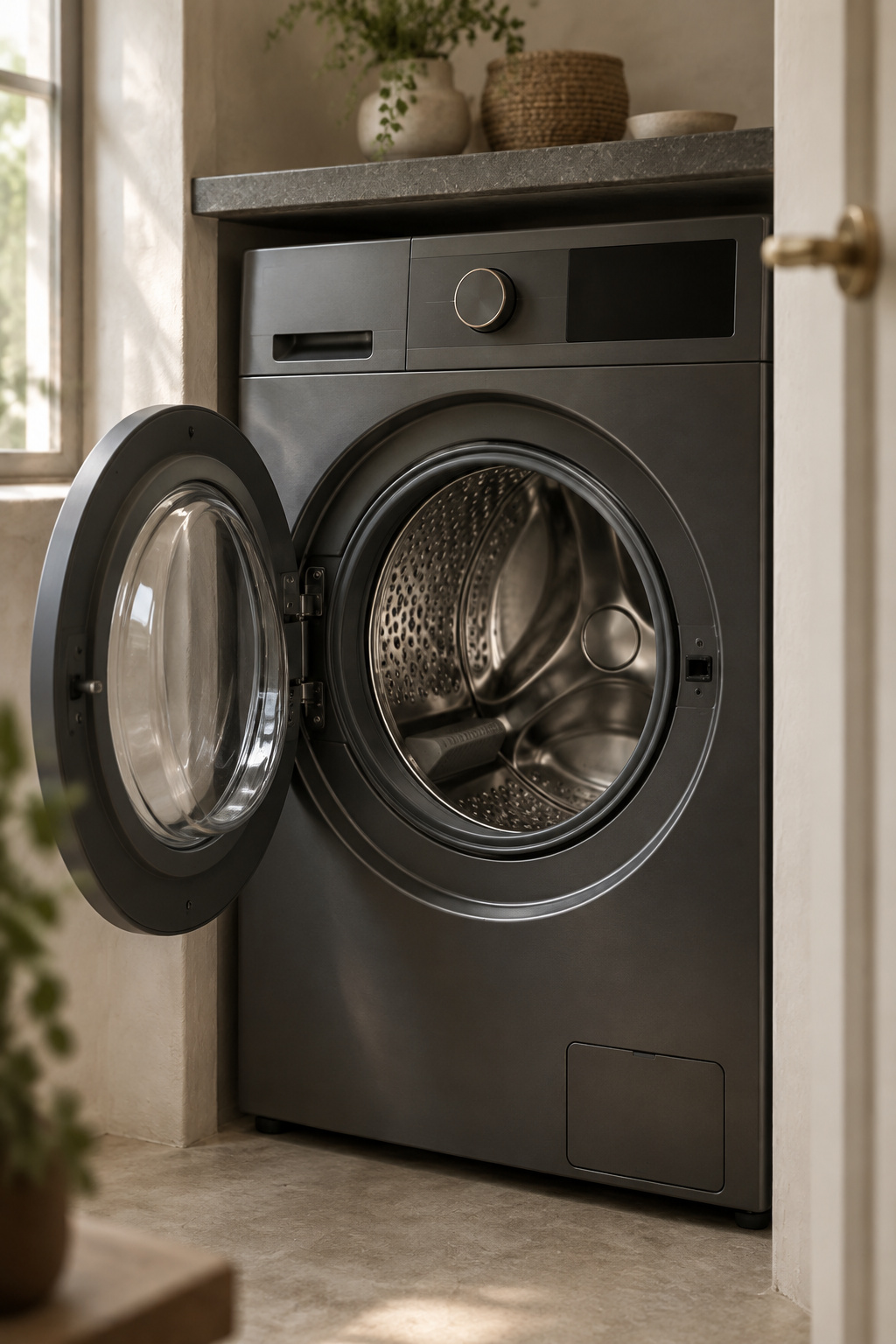
One drum washes the load, then dries it, so nobody moves the laundry in between. Most models still run wash-only or dry-only cycles, so you can use it as either machine alone.
The trade-off you are weighing
You are trading footprint and simplicity against drying speed and throughput. Neither format is right for everyone, and your laundry volume decides which one fits.
What a combo trades away: drying time and throughput
The 12-lb load that takes over three hours to fully dry
Consumer Reports measured three and a half hours to dry a 12-pound load in a tested GE Profile combo, and an 8-pound mixed load ran past two hours. Across its tested models, washing scored respectably and drying scored poorly.
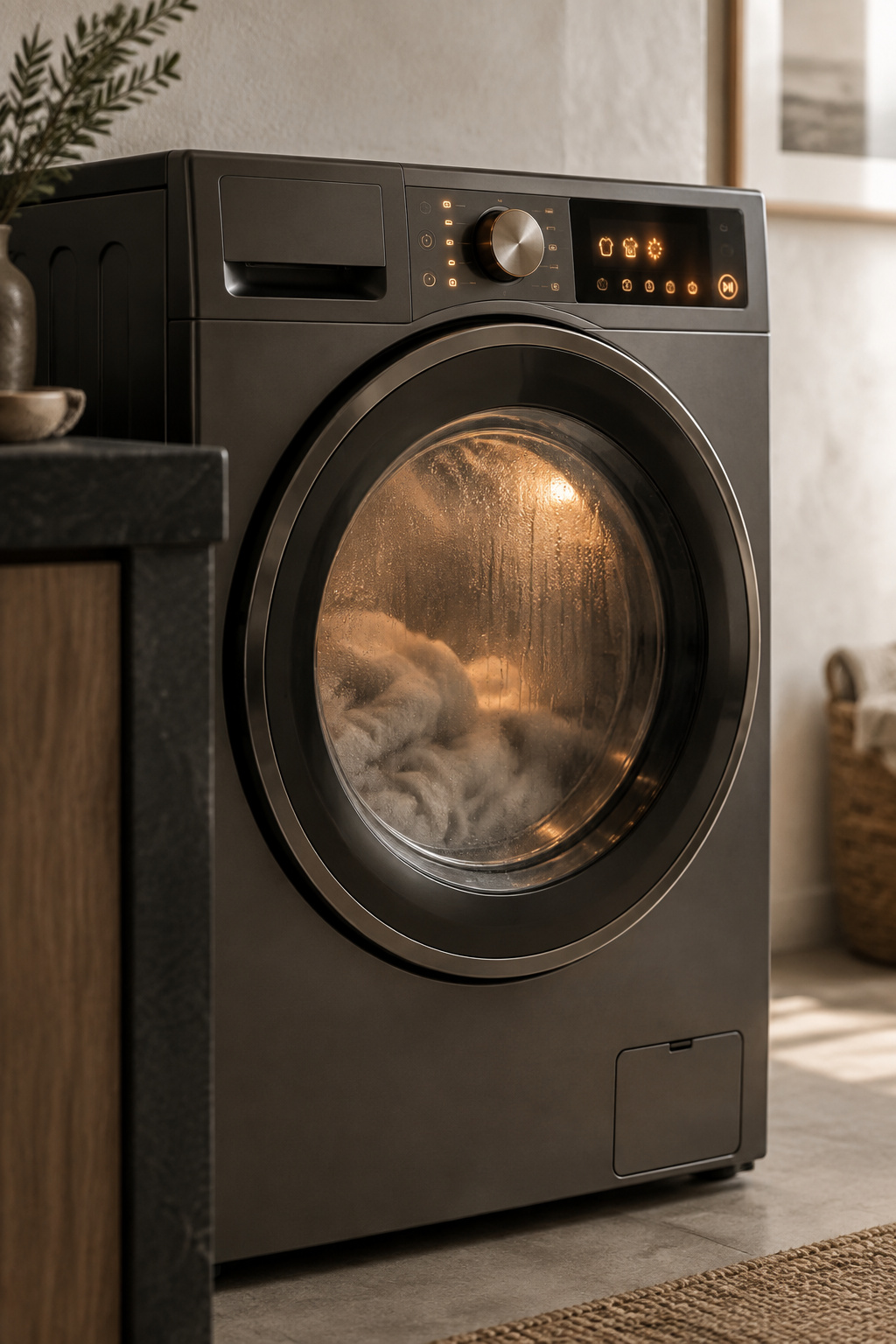
There are two structural reasons. Combo drums run about 4.5 to 5.3 cubic feet against 7 to 9 for a stand-alone dryer, which leaves less room for the air circulation drying needs. And every tested combo ran on ordinary 120V power rather than a standard dryer’s 240V, which caps the available heat.
Why you can’t start a second load while the first dries
The marketing never says it out loud, but a combo only saves you moving wet laundry from one machine to the other. You get no time back.
With two machines, load one dries while load two washes. With one drum, nothing else happens until the cycle ends. A combo runs 2 to 4 hours per load; a stand-alone dryer runs 45 to 60 minutes, alongside a washer.
What this costs a household that does laundry daily
Consumer Reports puts the arithmetic plainly: four loads in a day on a combo can take 8 to 10 hours. The same four split across a washer and dryer take roughly two. On a combo, that is most of your Saturday gone.
What a combo wins: footprint and simplicity
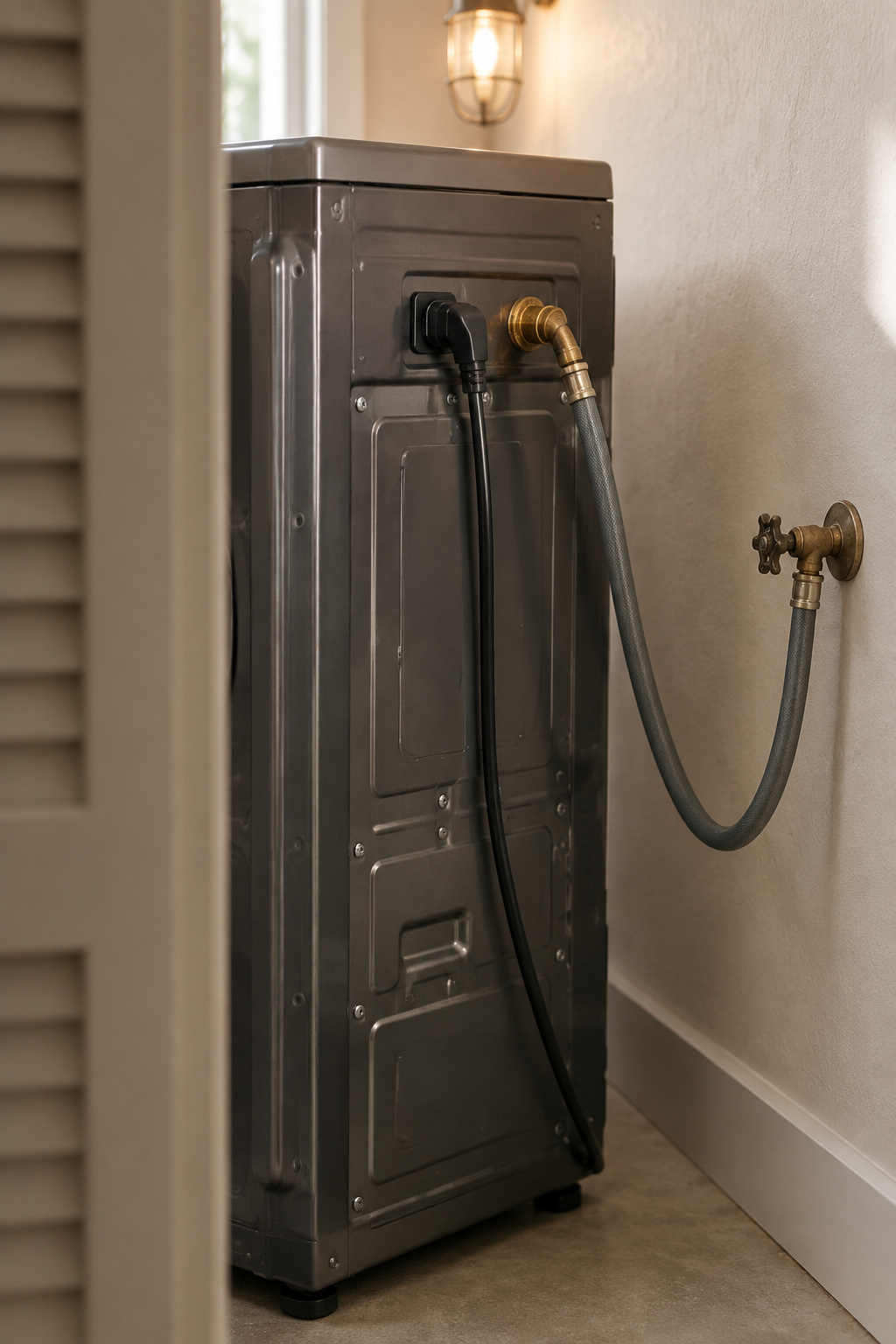
One appliance, one purchase, one set of hookups
The case for a combo is real. It needs power and a water hookup, with no vent run and no 240V circuit, so you pay for one set of connections. In a flat with no venting infrastructure, that is the difference between having laundry and not having it.
Capacity limits you accept along with the smaller footprint
Combo drums run roughly 2.3 to 5.3 cubic feet, below a stand-alone washer’s 4.5 to 6.0. Bedding is a struggle, and manufacturer guidance commonly asks you to dry a reduced load even after a full wash, which means more cycles for the same laundry.
Servicing one machine instead of two
Sticker prices overlap: a full-size matched pair typically retails at $1,200 to $2,100 total, name-brand combos at roughly $1,395 to $3,300. Compare installed cost, not shelf cost.
The households each format suits
A combo suits: one or two people, light laundry weeks, tightest footprints
My grandparents kept a summer cottage on the Stockholm archipelago: unpainted pine, one open shelf of crockery. That shelf is still my reference point for “enough”. It worked because the rhythm matched it: two people, washing up after every meal. Bring six guests for a week and it stops being enough by Tuesday lunch.
A combo is that shelf. For one or two people with light weeks and no vent path, it is enough.
A stack suits: families, frequent loads, anyone who wants two machines running at once
Families outgrow combo capacity, and the buying guidance steers heavy laundry toward two machines for one reason: parallel loads.
| Your week | Format | What you accept |
|---|---|---|
| 1–2 loads, one or two people, no vent path | Combo | Multi-hour dries, small loads |
| 4+ loads, family, bedding | Stacked pair | Height, a vent or ventless dryer, two hookups |
If your household sits on the second row, do not talk yourself into the first.
Buying the format you won’t tire of in two years
Buying guidance describes the same regret again and again, though nobody publishes numbers on it: people chose a combo for price or footprint, then did more than light laundry. They complain about the waiting, never the washing.
If you’re size-constrained, compact might solve this without a combo
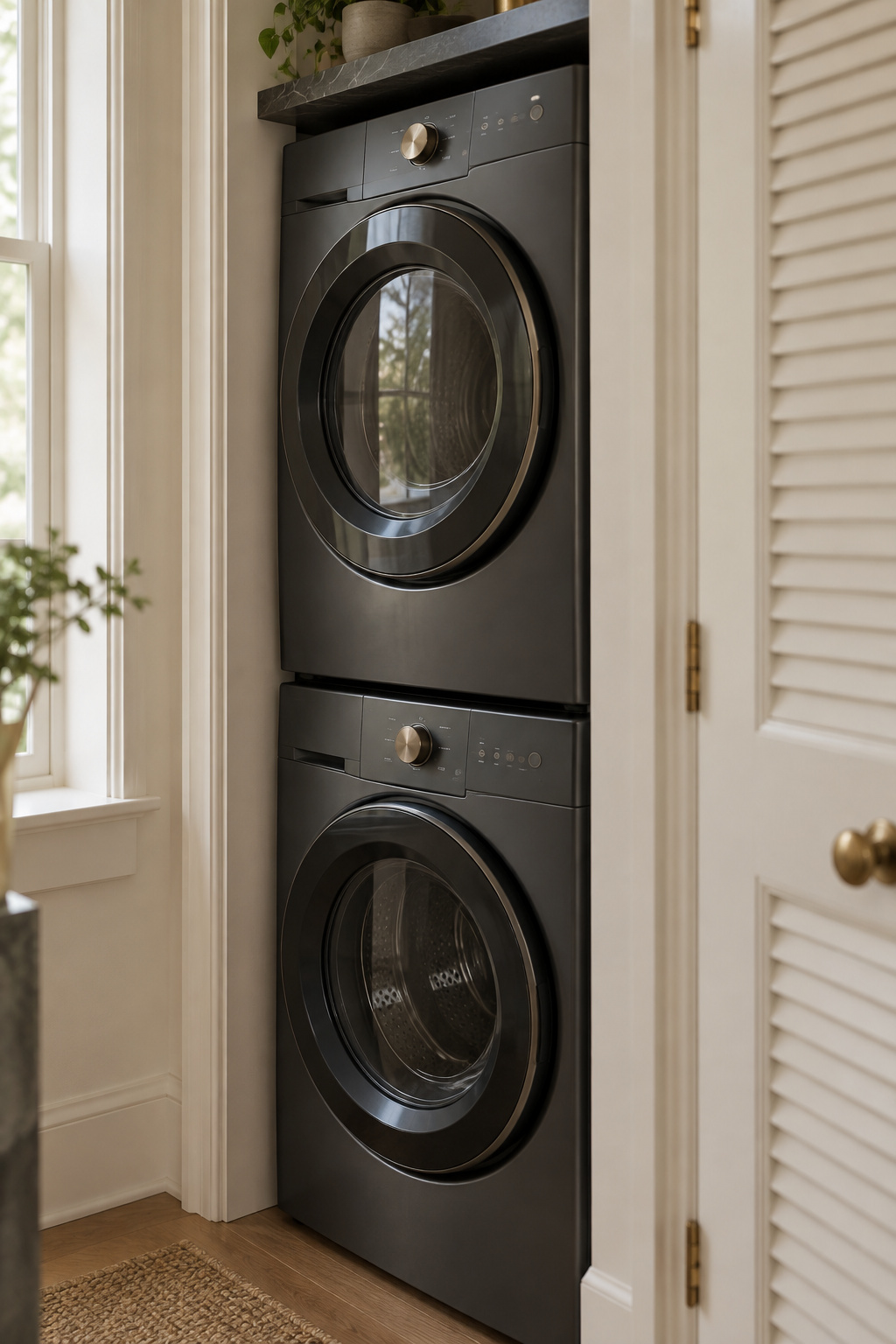
Why a compact 24-inch stack closes much of the footprint gap
Are you choosing a combo because of the vent, or because of the width? Those answers lead to different machines. Compact pairs are 24 inches wide and roughly 66 to 76 inches tall stacked, and they need about a 25 to 26 inch opening.
What you keep that a combo gives up
You keep two drums, so you can still wash one load while another dries. The throughput argument holds.
Who should look at compact before settling for one machine
If width is your constraint, read the apartment size washer and dryer case before committing to one drum. If the missing vent path is the constraint, the combo argument is stronger.
Servicing and replacing over a decade
What fails first in a combo vs. in two separate machines
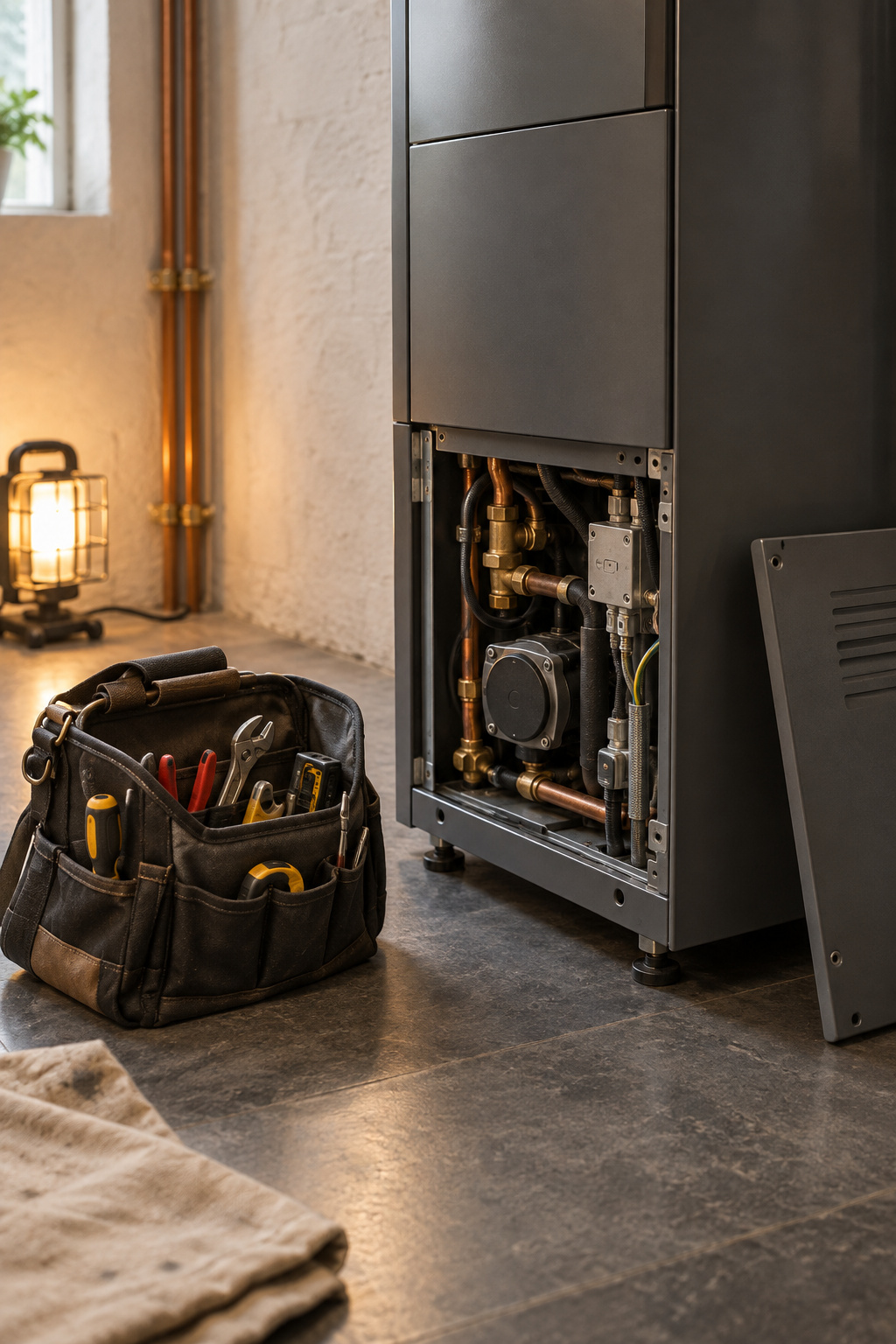
A combo is one sealed system doing two unlike jobs. When either job fails you lose both; a separate pair keeps the working machine working. Heat-pump combos add a wrinkle: repairs call for a refrigeration-trained technician, so the wait runs longer.
Repair cost and downtime when one machine does both jobs
Per repair, the costs are ordinary. One independent repair shop puts typical combo repairs at $100 to $500, comparable to separate machines for common faults.
I would not quote you a reliability percentage. Published service rates moved sharply between model years inside one retailer’s own data, and I don’t trust a number that unstable. The consequence is stable, though: one fault, no laundry.
The ten-year cost picture beyond the sticker price
Be careful with the ten-year figures floating around. The published estimates ($1,200 to $2,000 against $700 to $1,200) come from one repair-trade source comparing stacked pairs with side-by-side pairs. They say nothing about combos, and no combo-specific figure exists that I would put in front of you.
If you’ve decided on two machines
The install sequence
Confirm the pair is rated to stack, then install it properly: matched kit, washer levelled first, bracket fastened. That sequence is covered in how to stack a washer and dryer safely.
What to check before you buy either pair
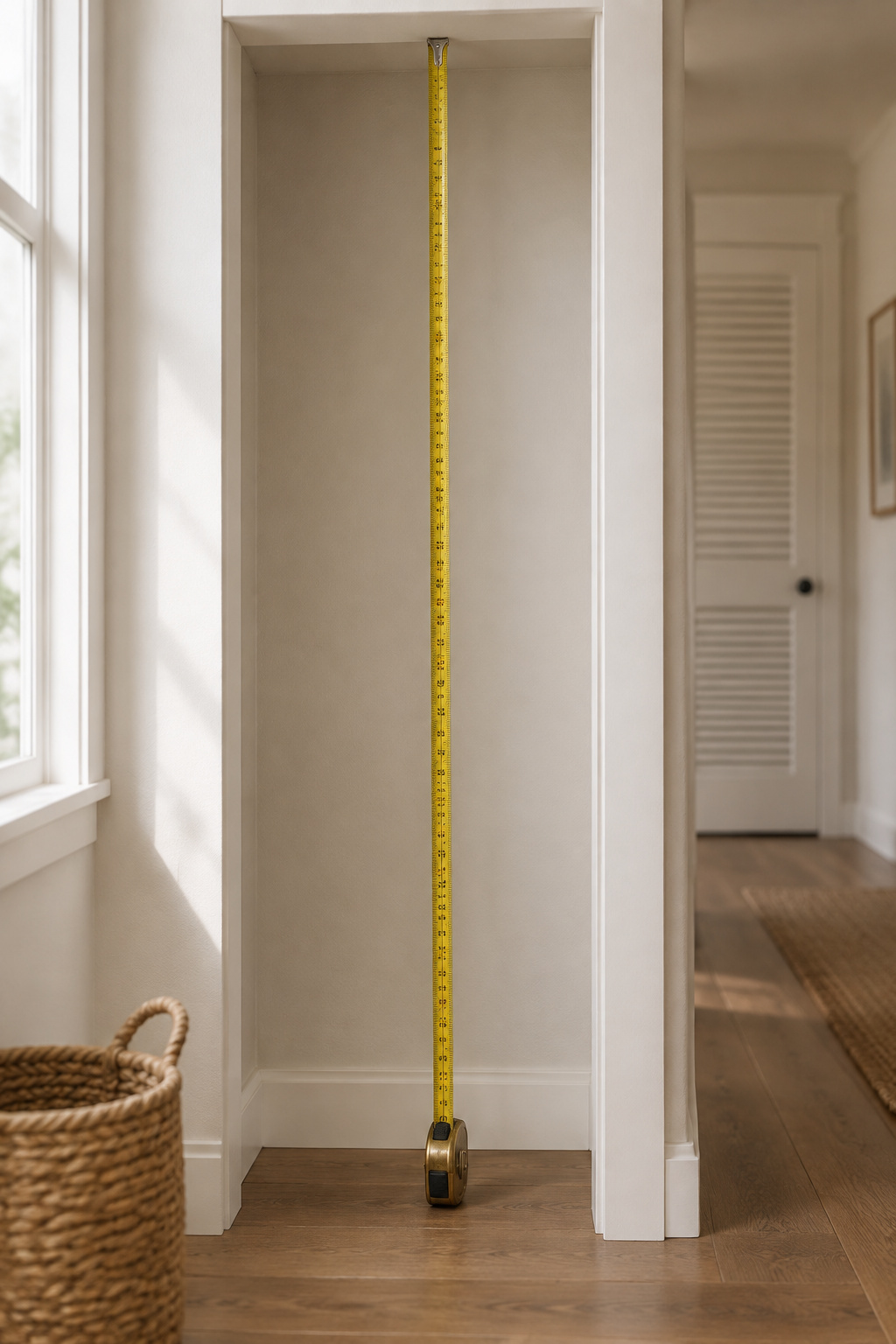
- Stacked height and clearances, measured against your actual closet.
- Whether the space has a vent path, or needs a ventless dryer.
- Your honest weekly load count from an ordinary week, not your best one.
The mistake: buying the combo for the footprint and regretting the throughput
The usual regret is a machine that worked exactly as designed, in a household that needed something else. Match the format to your week and you will not revisit this for a decade. If you are still deciding where the machines go, start with the wider view of stackable washer dryer ideas for small spaces.
So ask the rhythm question before the space question. Does your week look like that archipelago shelf, two people washing up after every meal? Or does it look like six guests staying the week? The shelf is enough until Tuesday lunch, and a stacked pair keeps going past it. Once you know which week is yours, the format choice follows.
FAQ
Are washer dryer combos worth it for a family?
Rarely. Growing families outgrow combo capacity, and because you can’t wash and dry in parallel, the single drum becomes a daily bottleneck. By Consumer Reports’ numbers, four loads in a day can take a combo 8 to 10 hours, against roughly two hours split across a separate washer and dryer.
Do all-in-one washer dryers break down more often than separate machines?
The data is unsettled. Published service-rate figures shifted sharply across model years within one retailer’s own reporting, so no percentage deserves your trust. The consequence is consistent, though: wash and dry share one sealed system, so a single fault takes the whole appliance offline.
Can a washer dryer combo be installed anywhere a stacked pair can?
A combo fits more places than a stacked pair: it needs only a standard 120V outlet and a water hookup, with no vent duct, so interior closets work. The reverse is not automatic, though. A stacked pair needs 66 to 80 inches of height, so check both footprints against your specific space.